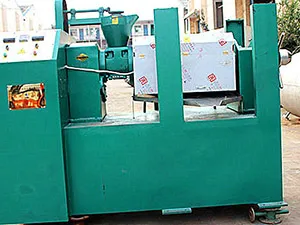
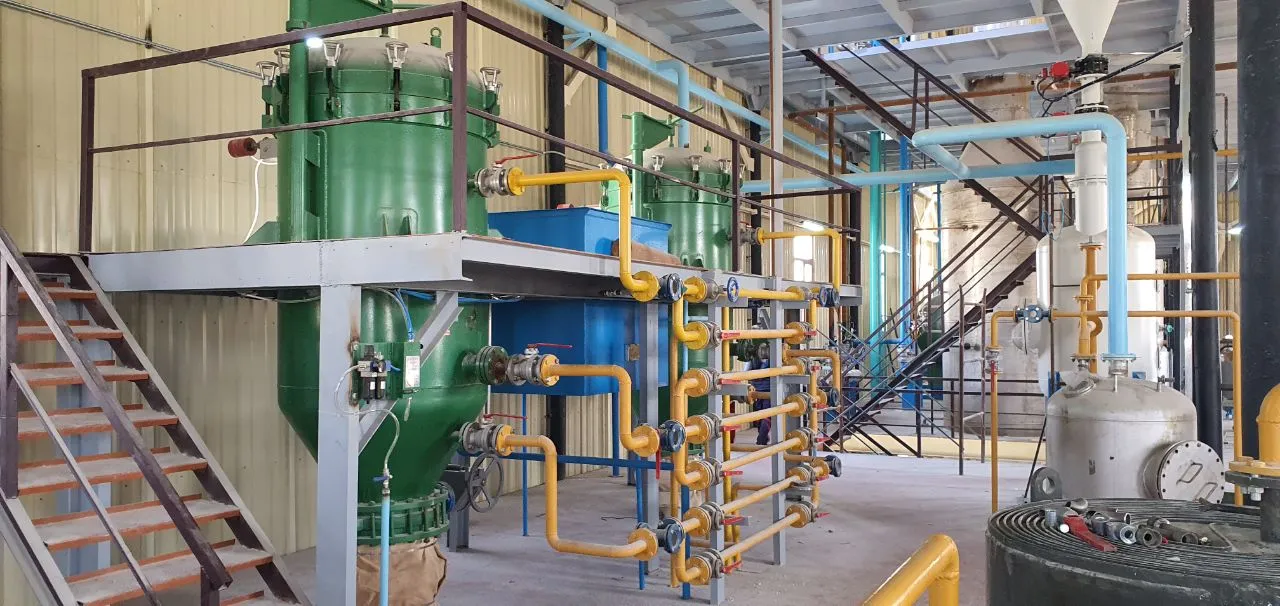
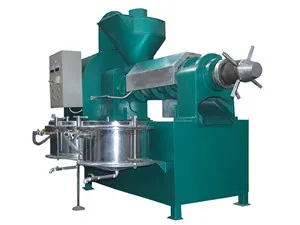
In the competitive landscape of edible oil production, small and medium-sized oil mills confront persistent challenges: rising energy costs, fluctuating oil quality, and the need for operational simplicity. Traditional mechanical pressing methods often fall short in addressing these pressures, leading to inefficiencies and inconsistent output. The emergence of fully automatic hot and cold pressing machines offers an innovative path forward, enabling these mills to significantly enhance oil yield and purity while reducing operational expenses.
Conventional oil pressing equipment primarily relies on single-mode mechanical extraction processes that either apply heat or press the oilseeds cold. These approaches suffer from notable drawbacks:
The integration of automatic cold and hot pressing phases within a single unit maximizes both yield and oil quality:
| Process Feature | Benefit |
|---|---|
| Hot Pressing Stage | Softens oilseed, increases oil release efficiency, and achieves higher yield (up to 12-15% increase vs. cold pressing alone). |
| Cold Pressing Stage | Preserves nutritional value and flavor by minimizing thermal degradation, resulting in oil with superior sensory and health attributes. |
| Multi-Stage Filtration System | Removes impurities and sediment effectively, enhancing oil clarity and extending shelf life by up to 20%. |
| Innovative Oil Guidance Technology | Minimizes oil loss during extraction, improving overall efficiency by approximately 8%. |
This comprehensive approach combines the strengths of both pressing methods, tailored to oilseed-specific parameters through automated control software. This ensures production consistency across batch runs while greatly enhancing resource utilization.
Fully automatic hot and cold pressing units incorporate energy-saving designs such as heat recovery loops, advanced insulation, and optimized motor drives. Field data show:
These advantages directly support profitability by lowering utility bills and operational overhead, a critical factor for cost-sensitive mid-size oil mill operators.
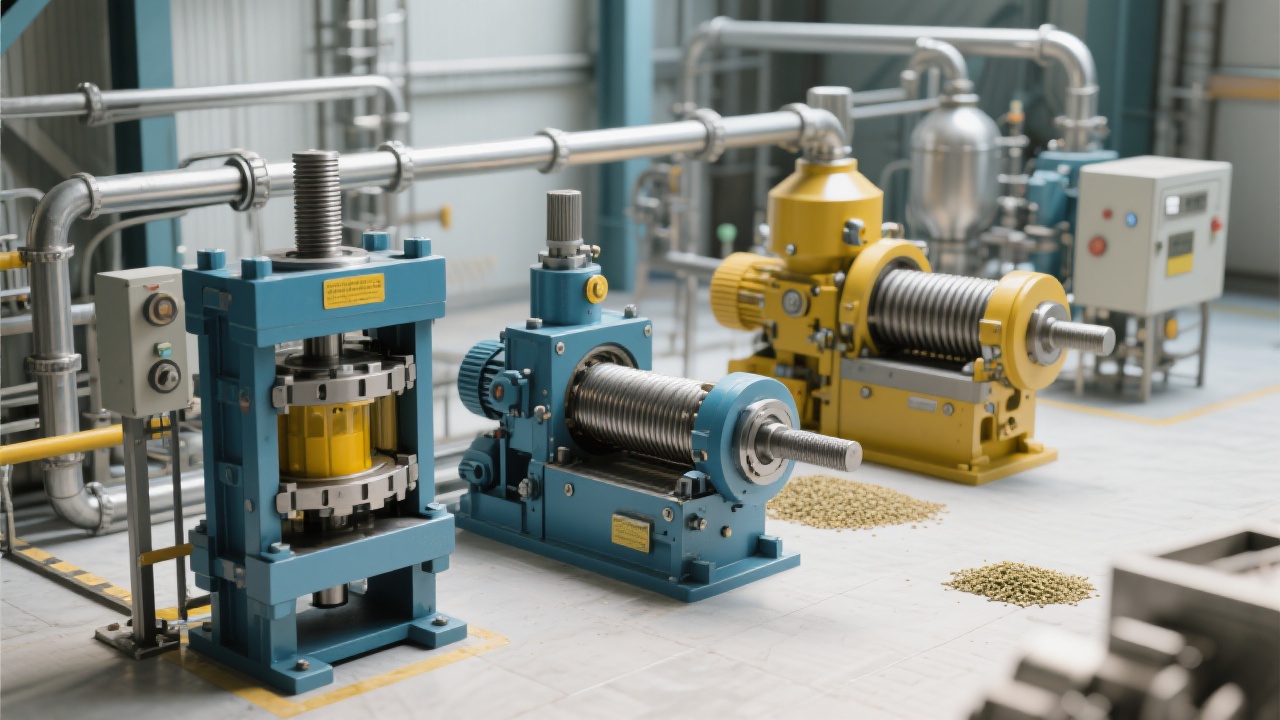
The adaptability of these machines is reflected in their capacity to process a wide range of oilseed types—including soybean, sunflower, corn germ, sesame, and rapeseed—without significant manual adjustments. The system automatically tunes extraction parameters like temperature and pressing pressure to optimize output.
Moreover, the equipment meets stringent international hygiene standards such as ISO 22000 and complies with food-grade material requirements, ensuring safe edible oil production and easier certification for export markets.
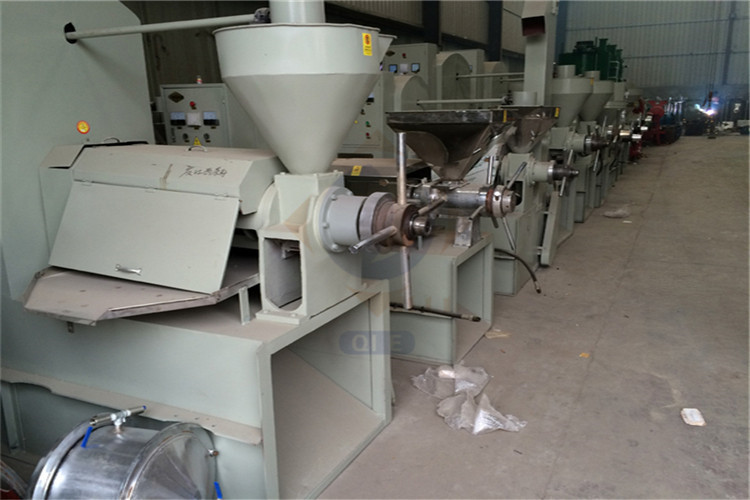
A mid-scale edible oil producer in Southeast Asia reported a 14% increase in oil extraction yield after retrofitting with a fully automatic hot and cold pressing unit. Notably, the clarity and flavor consistency improved substantially, resulting in higher customer satisfaction and repeat orders from food manufacturers.
Operational staff highlighted the intuitive interface and minimal downtime during transition phases as key benefits, enabling smoother workflows and faster employee onboarding.


.png?x-oss-process=image/resize,h_100,m_lfit/format,webp)
.png?x-oss-process=image/resize,h_100,m_lfit/format,webp)
.png?x-oss-process=image/resize,h_100,m_lfit/format,webp)
.jpg?x-oss-process=image/resize,h_800,m_lfit/format,webp)