In today’s competitive global edible oil market, efficiency isn’t just a goal—it’s survival. As small-to-mid-sized producers across Southeast Asia, Africa, and Latin America seek to scale sustainably, many are turning to automated cold and hot pressing technology. This isn’t just about modernization—it’s about measurable ROI.
Take the case of PT Mitra Jaya in Indonesia—a family-run mill that processed only palm kernel before investing in a fully automatic cold-hot press system. Within six months:
A similar story unfolded at Al-Karim Oils in Egypt, where a single machine now handles 12 different seed types—from sesame to sunflower—without reconfiguration. Their production throughput increased by 32%, and maintenance downtime fell below 2%. These aren't hypotheticals—they’re outcomes from real-world adoption.
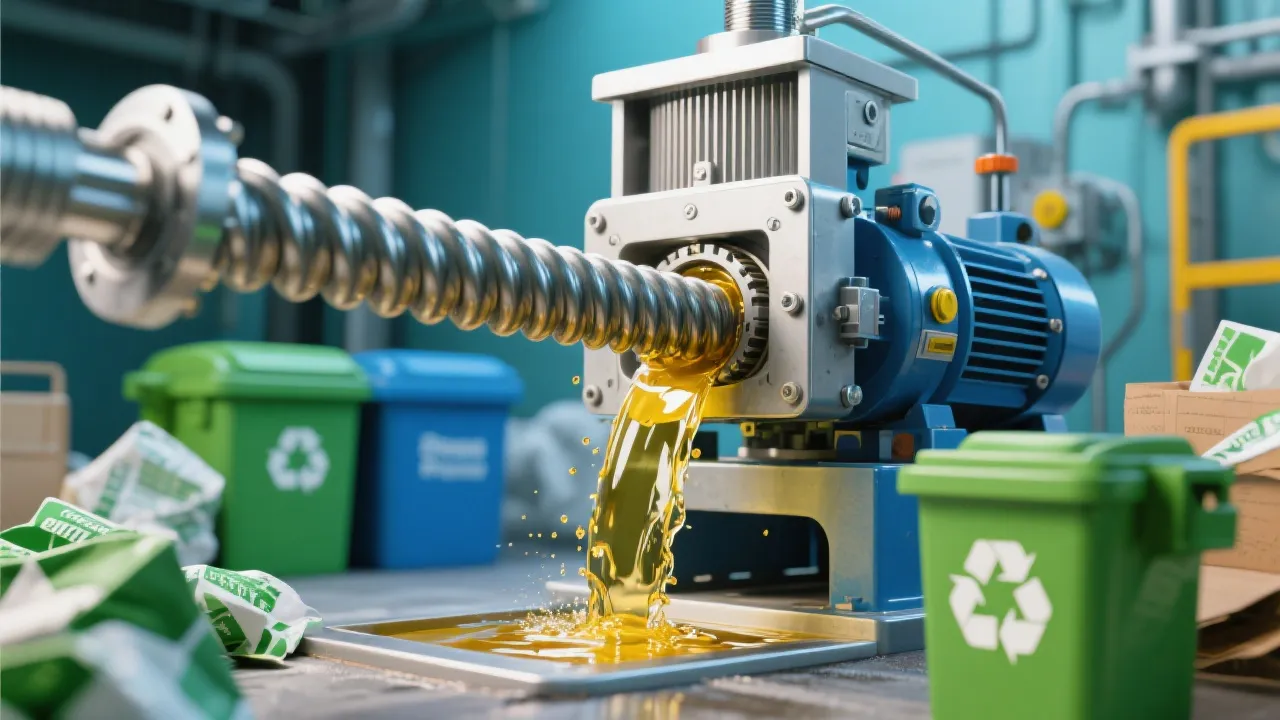
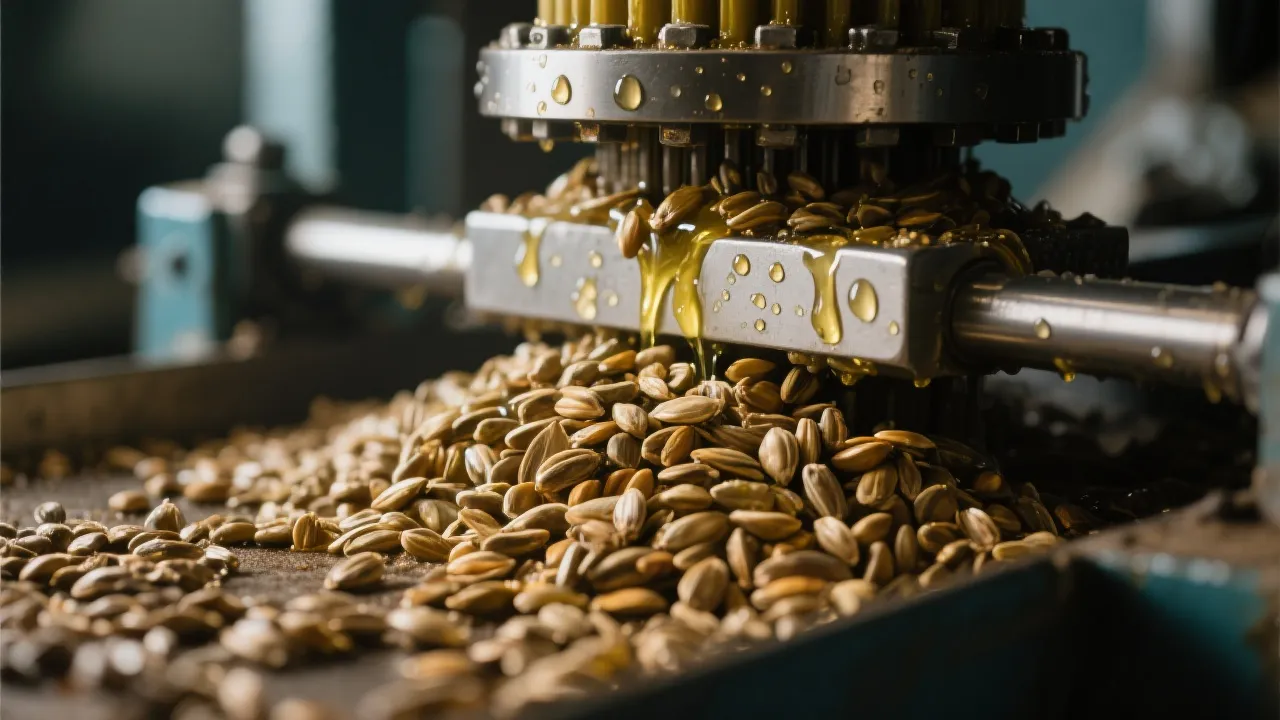
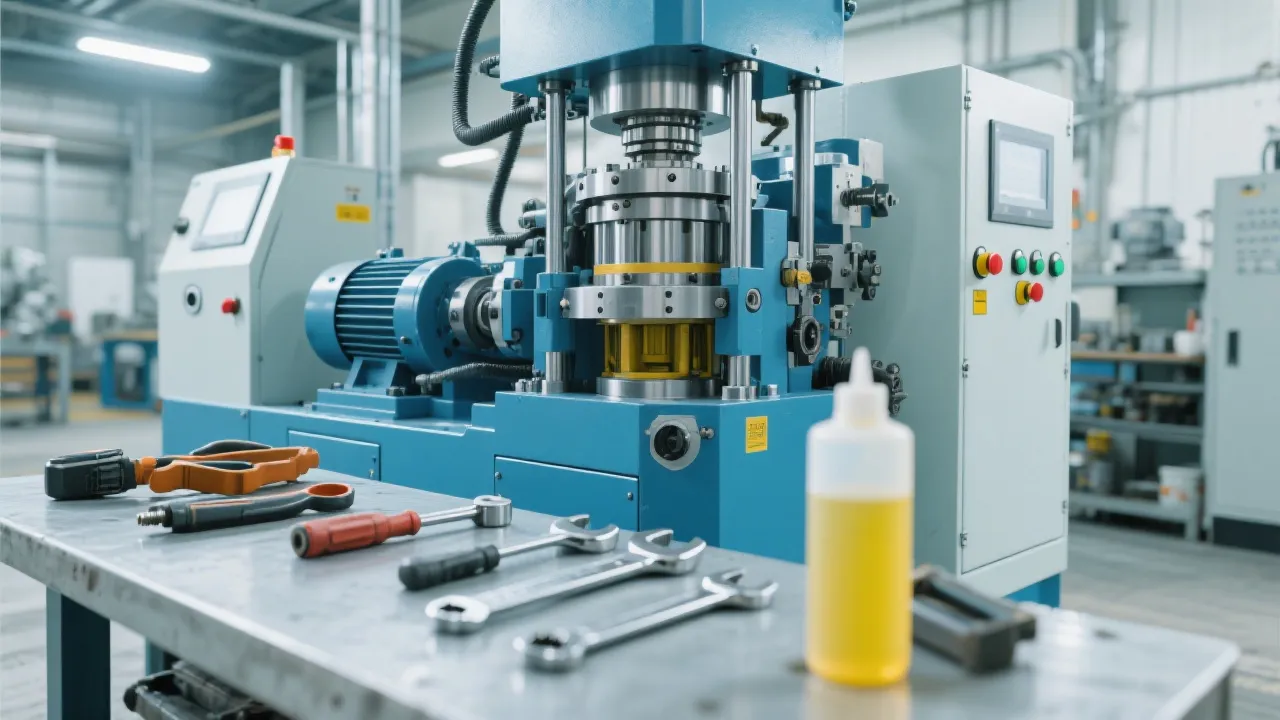
The core innovation lies in dual-temperature processing: cold pressing preserves nutrients (ideal for premium oils), while hot pressing boosts extraction efficiency for bulk commodities like soybean or rapeseed. Combined with a multi-stage filtration system that removes impurities down to 0.5 microns, this setup ensures consistent quality and minimal waste.
One client noted: “We used to lose up to 5% of our raw material to oxidation during storage. Now, thanks to the sealed conductive heating chamber, we see zero degradation—even in humid climates.”
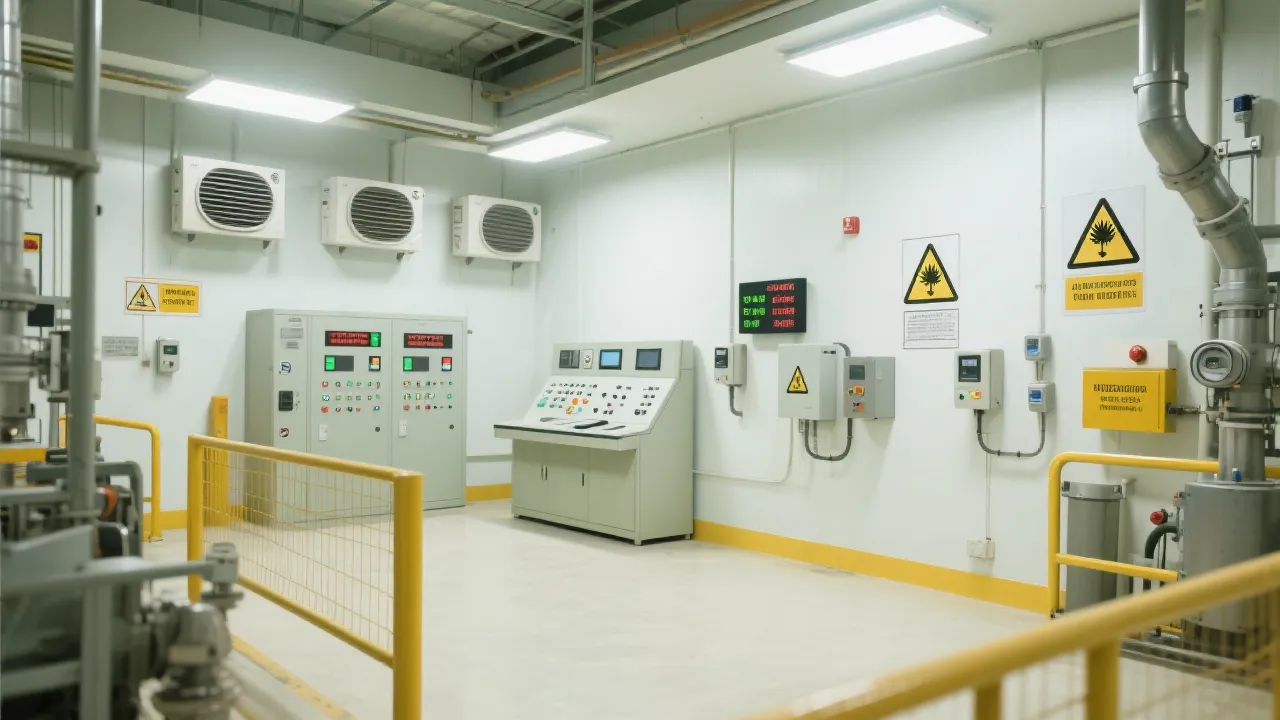
Compact footprint? Yes. Easy to maintain? Absolutely. Our machines fit into existing facilities without costly renovations—typically requiring only 2–3 days of installation. All components meet ISO 22000 and HACCP standards, which is critical when exporting to EU or GCC markets.
And because reliability matters more than specs, every unit comes with a 24/7 remote monitoring service and local technical support within 48 hours. One distributor in Nigeria reported zero unscheduled stoppages in over 18 months—a rare feat in emerging markets.
We don’t just sell machines—we help businesses grow. Whether it's reducing energy bills by up to 30%, minimizing manual handling risks, or achieving consistent output across diverse feedstocks, these benefits translate directly into profit margins.
That’s why more than 150 international mills have adopted this solution—not because it’s trendy, but because it delivers what matters most: predictable performance, lower operating costs, and faster time-to-market for high-quality oils.
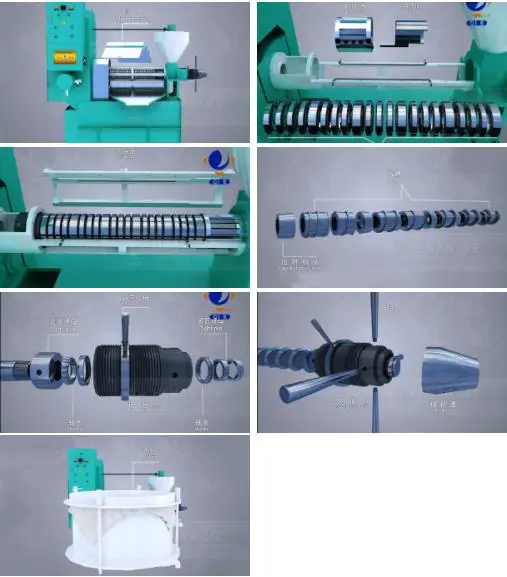
 Vertical cake discharging mechanism
Segmented cage
Efficient oil discharge
Screw oil press stability
Optimization of hot and cold pressing processes
cold pressing advantages
hot pressing oil extraction
edible oil production technology
energy-efficient oil expeller
small scale oil processing
Multi - stage fine filtration system
Edible oil filtration technology
Oil press energy - saving transformation
Prolonging oil shelf life
Cold and hot pressing processes
fully automated oil press
hot and cold pressing technology
SME oil mill solutions
energy-saving oil extraction
oil yield improvement
Fully automatic oil press
Cold and hot pressing technology
Energy - saving oil extraction equipment
Solutions for small and medium - sized oil mills
Oil extraction efficiency
Vertical cake discharging mechanism
Segmented cage
Efficient oil discharge
Screw oil press stability
Optimization of hot and cold pressing processes
cold pressing advantages
hot pressing oil extraction
edible oil production technology
energy-efficient oil expeller
small scale oil processing
Multi - stage fine filtration system
Edible oil filtration technology
Oil press energy - saving transformation
Prolonging oil shelf life
Cold and hot pressing processes
fully automated oil press
hot and cold pressing technology
SME oil mill solutions
energy-saving oil extraction
oil yield improvement
Fully automatic oil press
Cold and hot pressing technology
Energy - saving oil extraction equipment
Solutions for small and medium - sized oil mills
Oil extraction efficiency



.jpg?x-oss-process=image/resize,h_800,m_lfit/format,webp)



.png?x-oss-process=image/resize,h_100,m_lfit/format,webp)
.png?x-oss-process=image/resize,h_100,m_lfit/format,webp)
.png?x-oss-process=image/resize,h_100,m_lfit/format,webp)