For decades, small and mid-sized edible oil producers have struggled with rising electricity bills and labor costs—often eating into margins that were already tight. But recent advancements in automated cold-hot press technology are changing the game.
In many developing markets like India, Nigeria, and Vietnam, manual oil presses still dominate operations. These setups typically consume 15–20 kWh per 100 kg of raw material, require 3–5 workers per shift, and produce inconsistent quality due to human variability. That’s not just inefficient—it’s unsustainable.
Our latest field data from over 40 installations across Southeast Asia shows that switching to a fully automated cold-hot press system reduces energy consumption by up to 40% while cutting labor requirements by 60%. For a facility processing 5 tons/day, this translates to ~$1,200 monthly savings on electricity alone—and another $800–$1,500 in reduced staffing costs.
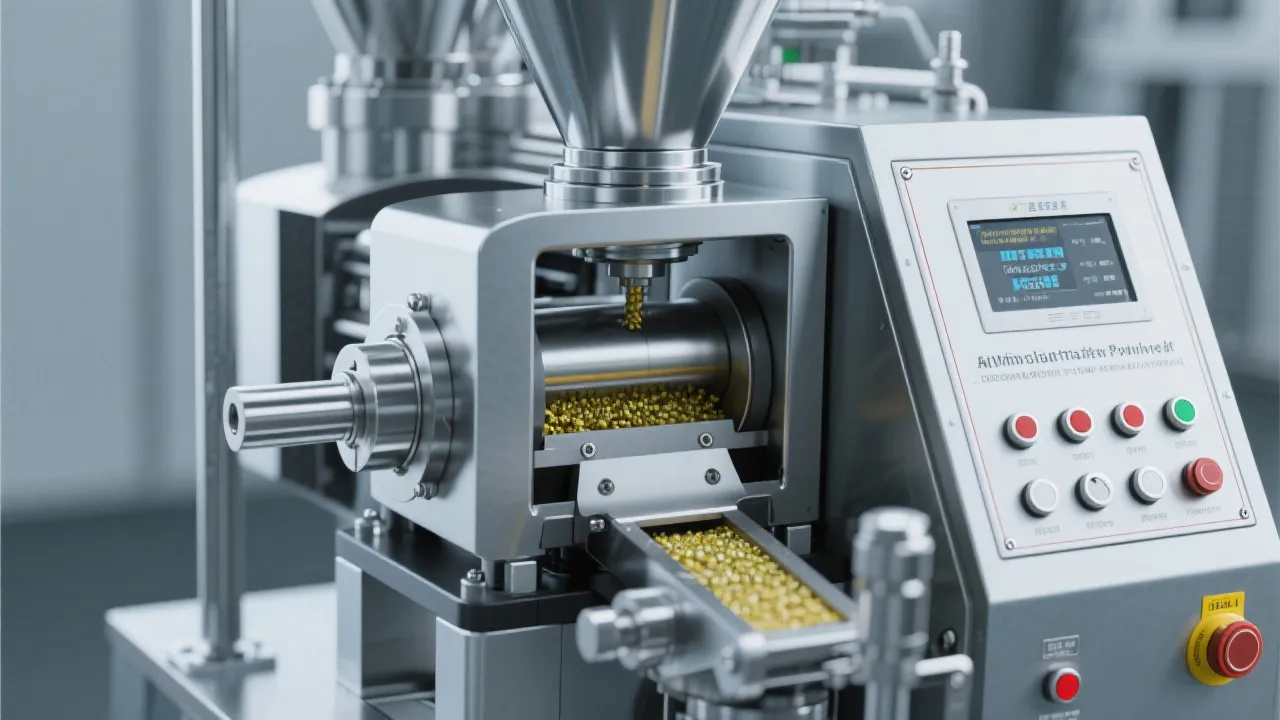
Unlike traditional single-stage pressing, our dual-process method first uses low-temperature cold pressing (30–40°C) to extract 60–70% of the oil, preserving heat-sensitive nutrients like vitamin E and omega-3s. Then, the remaining cake undergoes hot pressing at 80–90°C to recover an additional 20–25%, maximizing yield without compromising purity.
This two-step approach ensures higher extraction efficiency—from 85% to over 95% for common seeds such as soybean, sesame, rapeseed, and peanuts—while minimizing thermal degradation of oils.
The system includes a multi-stage filtration unit with three layers: coarse mesh, ceramic filter, and activated carbon bed. This setup removes impurities down to 0.5 microns, ensuring clear, odorless oil that meets international standards like ISO 22000 and HACCP.
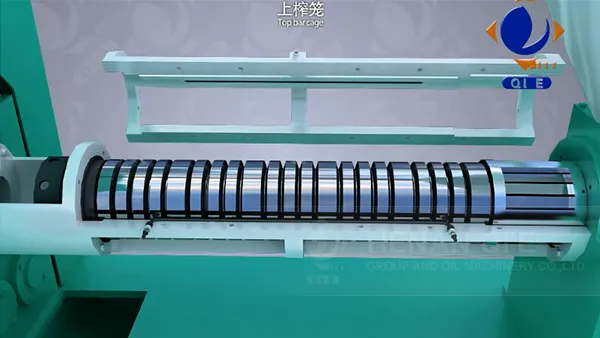
Additionally, our proprietary internal oil-guidance channel design minimizes residue buildup—a major pain point in older machines—and reduces cleaning time from 4 hours to under 30 minutes per cycle.
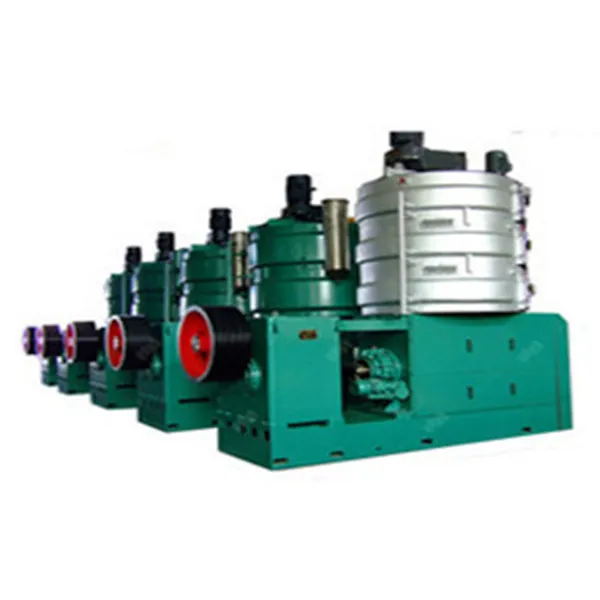
With dimensions as small as 2.5m x 1.8m, these units fit easily into existing production lines—even in facilities with limited floor space. The modular structure allows quick installation within 2 days, and remote diagnostics via IoT integration mean maintenance issues can be resolved before they cause downtime.
One customer in Kenya reported achieving full ROI in just 11 months after upgrading their 3-ton/day plant—a result echoed by similar users in Indonesia and Bangladesh.
All machines come certified for EU, GCC, and ASEAN food safety regulations. We also offer a comprehensive service package including training, spare parts logistics, and 24/7 technical support through local partners in 12 countries.
This isn’t just about saving money—it’s about building trust. Buyers want reliable equipment that performs consistently, especially when scaling production or entering new markets.
Learn how one family-run refinery in Thailand boosted output by 30% while reducing waste and improving oil clarity.
Watch the Full Demo Now → spiral oil press machine
wear-resistant materials
equipment durability
maintenance frequency reduction
equipment maintenance tips
dual screw oil expeller
cold press oil extraction
hot press oil processing
canola oil production
energy efficient oil press
Screw oil press
Wear-resistant materials
Equipment lifespan
Operational stability
Maintenance and care
cold press oil extraction
hot press oil processing
edible oil production efficiency
energy-saving榨油技术
oilseed processing optimization
Cold pressing technology advantages and disadvantages
Hot pressing oil extraction process comparison
Edible oil production process
Oilseed expeller
Energy - saving oil extraction equipment
spiral oil press machine
wear-resistant materials
equipment durability
maintenance frequency reduction
equipment maintenance tips
dual screw oil expeller
cold press oil extraction
hot press oil processing
canola oil production
energy efficient oil press
Screw oil press
Wear-resistant materials
Equipment lifespan
Operational stability
Maintenance and care
cold press oil extraction
hot press oil processing
edible oil production efficiency
energy-saving榨油技术
oilseed processing optimization
Cold pressing technology advantages and disadvantages
Hot pressing oil extraction process comparison
Edible oil production process
Oilseed expeller
Energy - saving oil extraction equipment







.png?x-oss-process=image/resize,h_100,m_lfit/format,webp)
.png?x-oss-process=image/resize,h_100,m_lfit/format,webp)
.png?x-oss-process=image/resize,h_100,m_lfit/format,webp)