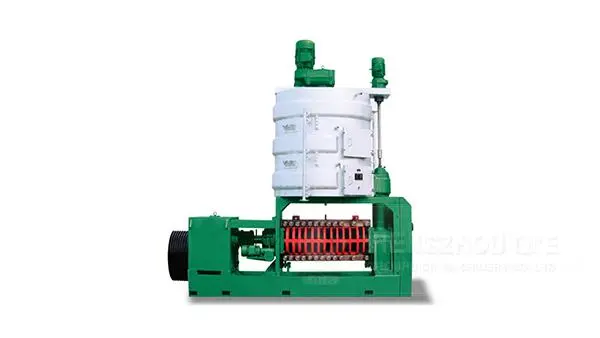
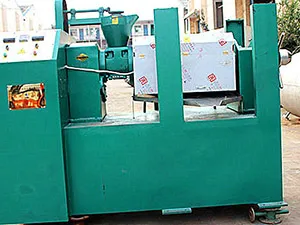
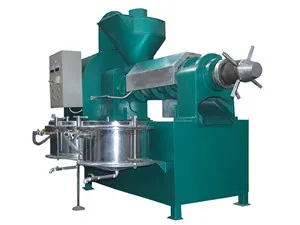
In the ever - evolving landscape of edible oil processing, the multi - stage fine filtration system has emerged as a revolutionary technology. Over the past decade, the demand for high - quality edible oils with enhanced taste and maximum nutrient retention has been on the rise. According to industry reports, the market share of premium edible oils has grown by approximately 30% in the last five years, driving the need for more advanced filtration technologies.

The multi - stage fine filtration system operates through a series of filtration phases. In the first phase, large - scale impurities such as sediment and hulls are removed through coarse filtration. This initial step can reduce the impurity content by up to 80%. The second phase involves medium - fine filtration, which targets smaller particles like protein aggregates and free fatty acids. Studies show that this stage can improve the oil purity by an additional 15 - 20%.
The system is designed to tackle a wide range of impurities. For example, it can effectively remove waxes, which, if left in the oil, can cause cloudiness and affect the appearance of the final product. By using specialized filtering materials, the system can reduce the wax content to less than 0.1%, significantly enhancing the oil's clarity and quality.
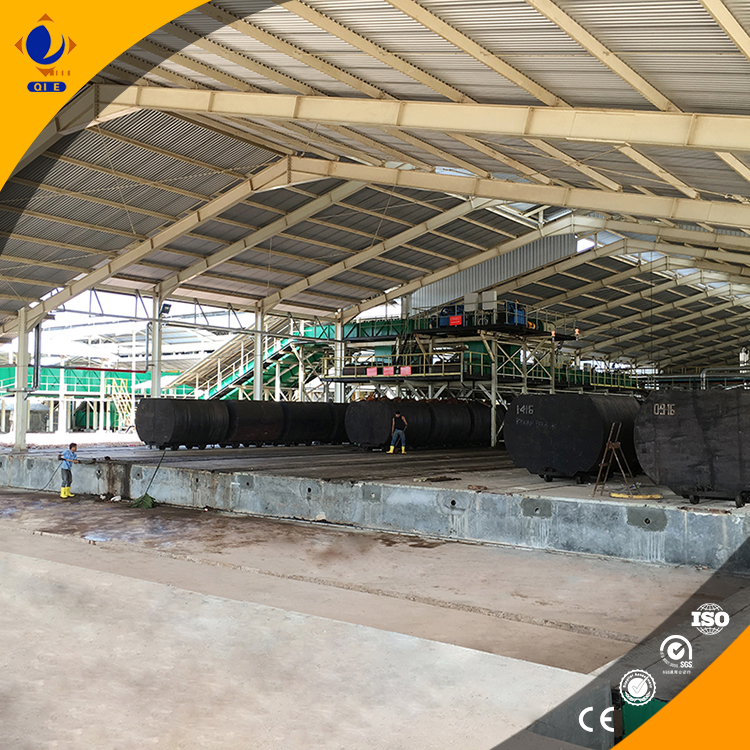
The multi - stage fine filtration system plays a crucial role in improving the purity, taste, and nutrient content of edible oils. By removing impurities, it enhances the oil's flavor, making it smoother and more palatable. Moreover, the system helps to retain essential nutrients such as vitamins and antioxidants. Research indicates that oils filtered through this system can retain up to 90% of their original nutrients, compared to only 70% in oils processed using traditional methods.
In terms of shelf - life, the reduction of impurities slows down the oxidation process, extending the oil's freshness. On average, edible oils processed with the multi - stage fine filtration system can have a shelf - life that is 20 - 30% longer than those without such treatment.
In a medium - sized edible oil production enterprise in XYZ region, the implementation of the multi - stage fine filtration system led to remarkable results. Before using the system, the enterprise spent approximately $50,000 annually on equipment maintenance and had a production efficiency of 800 liters per hour. After the installation of the new filtration system, the equipment maintenance cost was reduced by 30% to $35,000 per year, and the production efficiency increased to 950 liters per hour, a boost of about 19%.
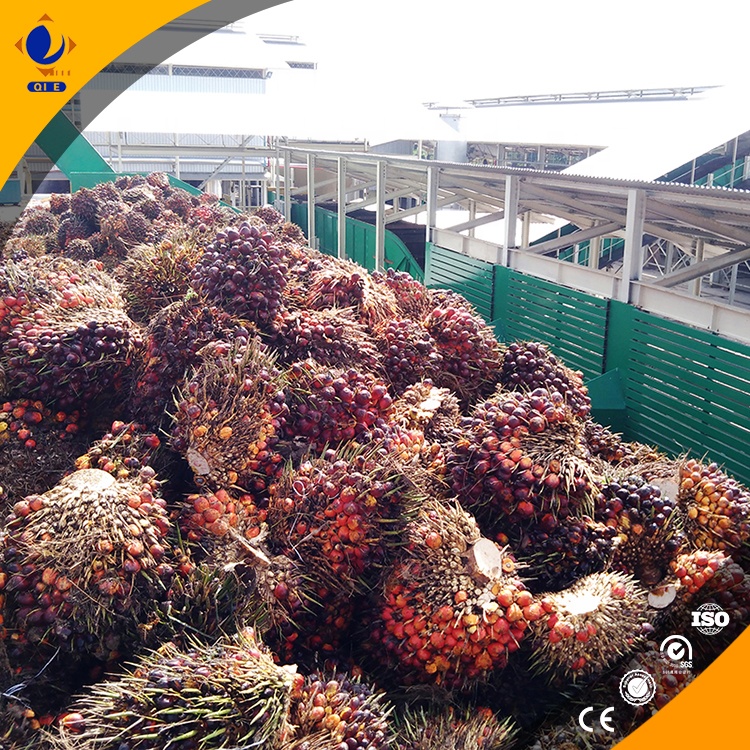
For medium - sized edible oil enterprises, the multi - stage fine filtration system offers significant value. It not only improves product quality, which helps to gain a competitive edge in the market, but also reduces production costs. With the increasing consumer demand for high - quality edible oils, the application of this system can open up new business opportunities and expand the market share of medium - sized enterprises.
In conclusion, the multi - stage fine filtration system is a game - changer in the edible oil processing industry. Its ability to improve oil quality, reduce costs, and increase production efficiency makes it an essential technology for medium - sized edible oil enterprises. If you're looking to upgrade your production technology and enhance your product competitiveness, don't miss out on this revolutionary solution. Click here to learn more about our energy - efficient and fully automatic cold and hot press oilseed oil press!
 cold pressing advantages
hot pressing oil extraction
edible oil production techniques
oil yield optimization
automated oil pressing machines
dual spiral shaft technology
screw press oil extraction efficiency
energy-saving oil press machine
cold pressing vs hot pressing
oilseed processing equipment
Cold pressing technology advantages and disadvantages
Comparison of hot oil pressing processes
Edible oil production technology
Oil nutrition retention
Oilseed press
screw oil press wear-resistant materials
wear part material selection
maintenance reduction strategies
equipment operational stability
screw shaft durability technology
spiral oil press machine design
dual screw intermeshing technology
efficient oil extraction rate
cold press vs hot press oil extraction
self-cleaning oil press
cold pressing advantages
hot pressing oil extraction
edible oil production techniques
oil yield optimization
automated oil pressing machines
dual spiral shaft technology
screw press oil extraction efficiency
energy-saving oil press machine
cold pressing vs hot pressing
oilseed processing equipment
Cold pressing technology advantages and disadvantages
Comparison of hot oil pressing processes
Edible oil production technology
Oil nutrition retention
Oilseed press
screw oil press wear-resistant materials
wear part material selection
maintenance reduction strategies
equipment operational stability
screw shaft durability technology
spiral oil press machine design
dual screw intermeshing technology
efficient oil extraction rate
cold press vs hot press oil extraction
self-cleaning oil press





.png?x-oss-process=image/resize,h_100,m_lfit/format,webp)
.png?x-oss-process=image/resize,h_100,m_lfit/format,webp)
.png?x-oss-process=image/resize,h_100,m_lfit/format,webp)