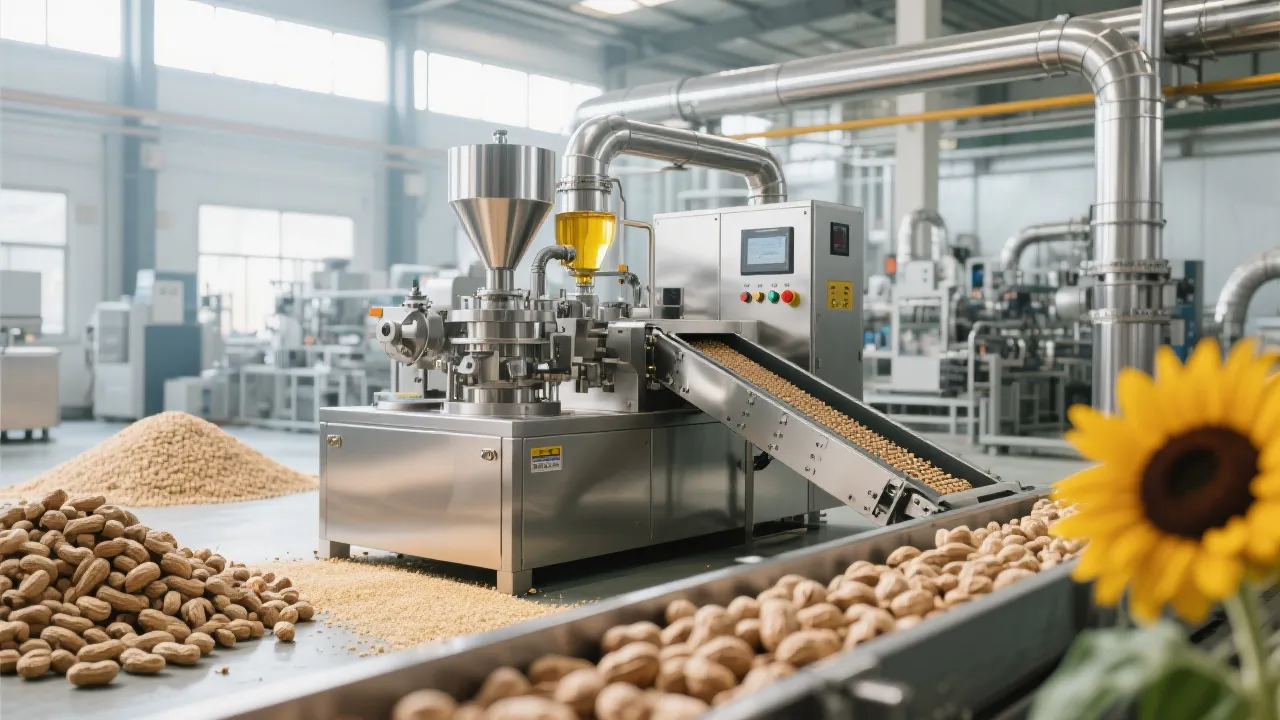
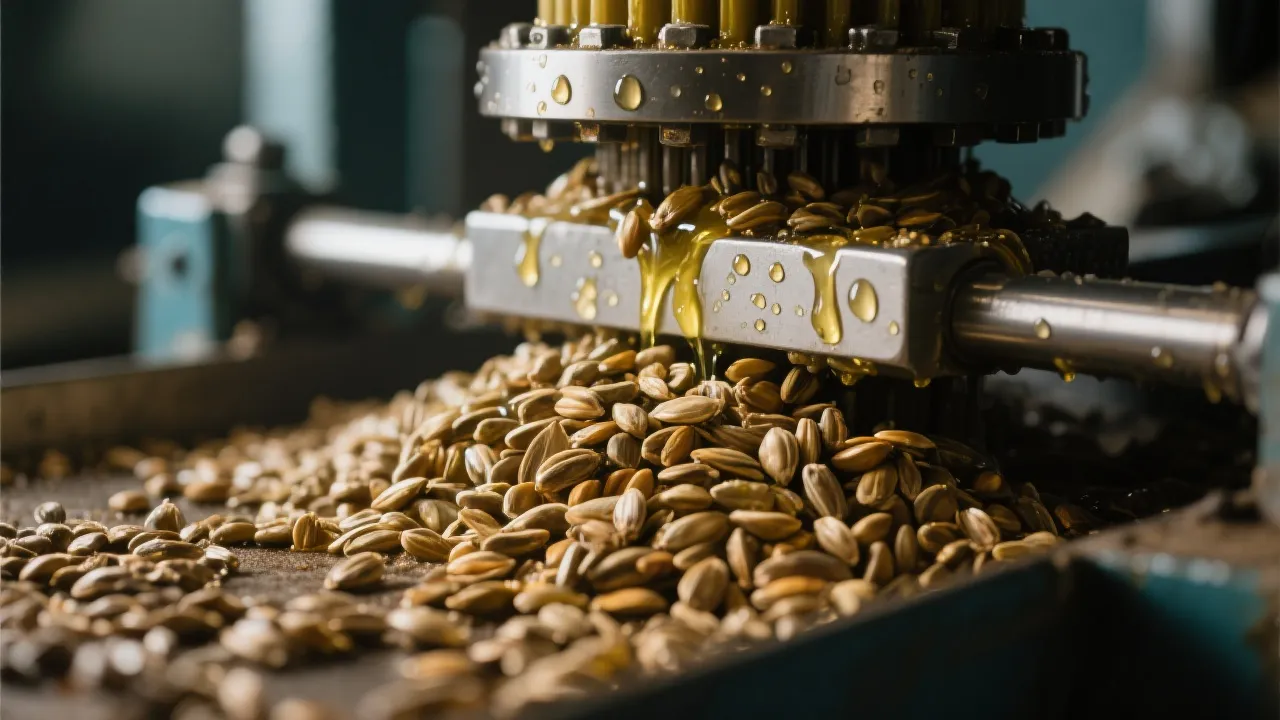
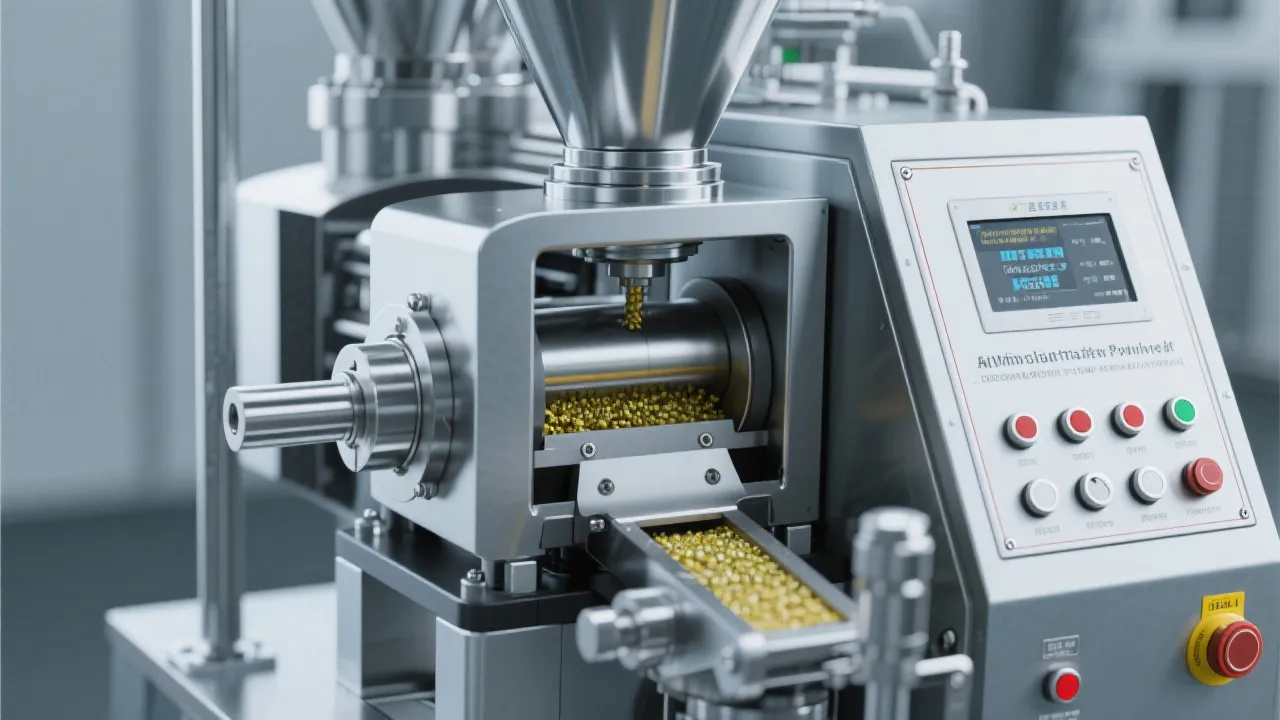
In the world of edible oil production, cold pressing and hot pressing are two fundamental techniques. Cold pressing, as the name suggests, involves extracting oil at low temperatures, typically below 40°C. This method gently squeezes the oil out of oilseeds, preserving the natural nutrients and flavors of the oil. In contrast, hot pressing relies on heating the oilseeds to release the oil. By raising the temperature, the oil becomes more fluid, facilitating a higher extraction rate. 
Cold pressing excels in retaining nutrients. Since it operates at low temperatures, it minimizes the destruction of vitamins, antioxidants, and other beneficial compounds in the oil. For example, cold - pressed olive oil retains a high level of polyphenols, which are known for their health benefits. On the other hand, hot pressing, due to the high - temperature treatment, may cause some nutrient loss. However, it can also enhance the flavor of the oil in some cases.
Hot pressing generally has a higher oil yield. The heat softens the oilseeds and breaks down the cell walls, allowing more oil to be released. Studies have shown that hot pressing can increase the oil yield by about 10 - 15% compared to cold pressing. But this comes at the cost of some nutrient loss.
Cold pressing is more energy - efficient as it does not require heating. It can save up to 40% of energy compared to hot pressing, which is a significant advantage for long - term production. This energy - saving feature also aligns with the global trend of environmental protection.
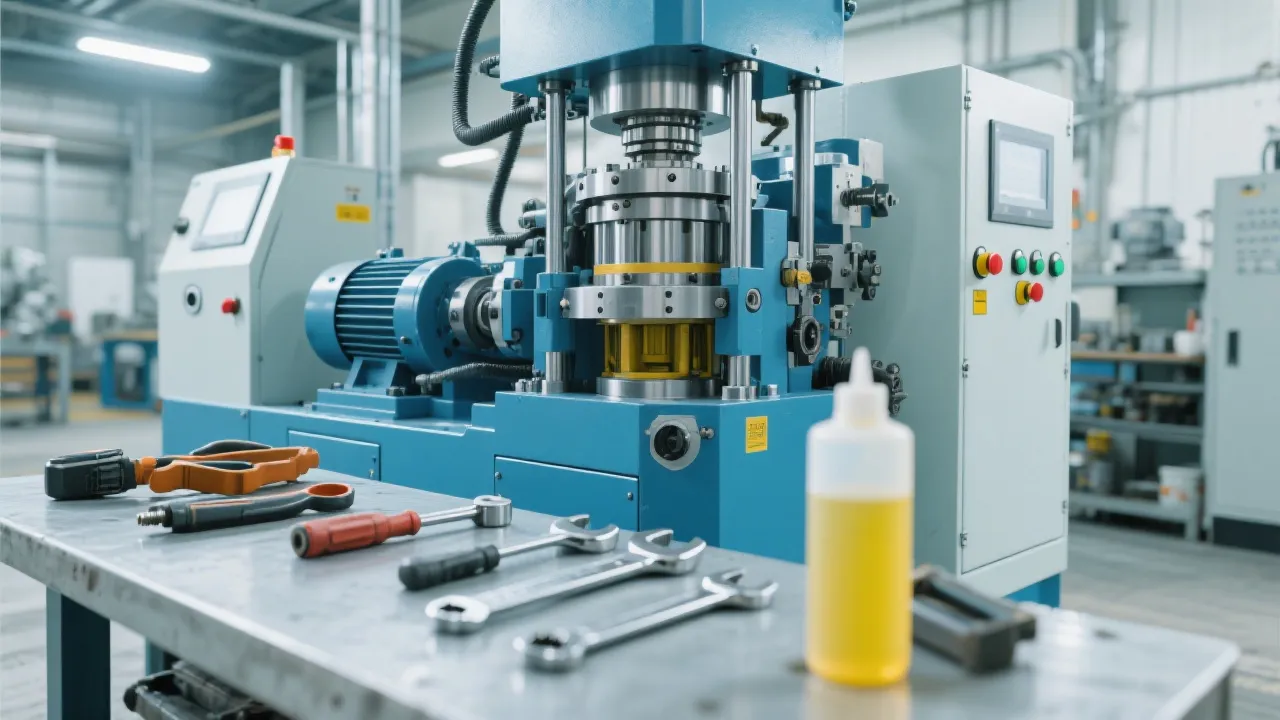
Cold - pressing equipment is usually less complex and easier to maintain. The low - temperature operation reduces the wear and tear on the machine. In contrast, hot - pressing equipment may require more frequent maintenance due to the high - temperature environment, which can cause damage to some components. 
For small and medium - sized enterprises targeting the high - end health oil market, cold pressing is a better choice. This is because consumers in this market value the nutritional content of the oil. For example, cold - pressed flaxseed oil is popular among health - conscious consumers due to its high omega - 3 fatty acid content. On the other hand, if the target market is the mass commercial oil market, hot pressing may be more suitable as it can provide a higher oil yield at a relatively lower cost.
According to industry test reports, a medium - sized oil production enterprise using hot pressing can produce about 10 tons of oil per day, while the same enterprise using cold pressing may produce about 8 - 9 tons. However, the cold - pressed oil can be sold at a higher price due to its better nutritional value. In addition, customer case studies show that enterprises using a dual - mode cold - hot press oilseed expeller can save up to 40% in energy costs and 60% in labor costs.
Q: Which method is better for producing olive oil? A: If you want to produce high - end, nutrient - rich olive oil, cold pressing is recommended. But if you aim for a higher yield for mass - market products, hot pressing can be considered.
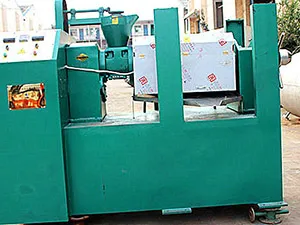
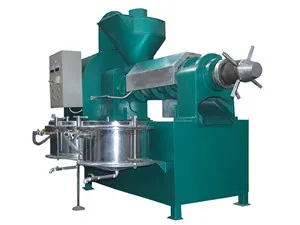
Q: Can I use the same equipment for both cold and hot pressing? A: Yes, there are some advanced oil - pressing machines, such as the recommended dual - mode automatic cold - hot press oilseed expeller, which support both cold and hot pressing modes, providing greater flexibility for production.
The recommended dual - mode automatic cold - hot press oilseed expeller is an ideal solution for export - oriented enterprises. It offers a high degree of flexibility, allowing enterprises to switch between cold and hot pressing modes according to different production requirements. With its 40% energy - saving and 60% labor - saving features, it can significantly reduce the comprehensive cost of production. Moreover, it helps to improve the quality and capacity of oil products, enhancing the export compliance of enterprises. 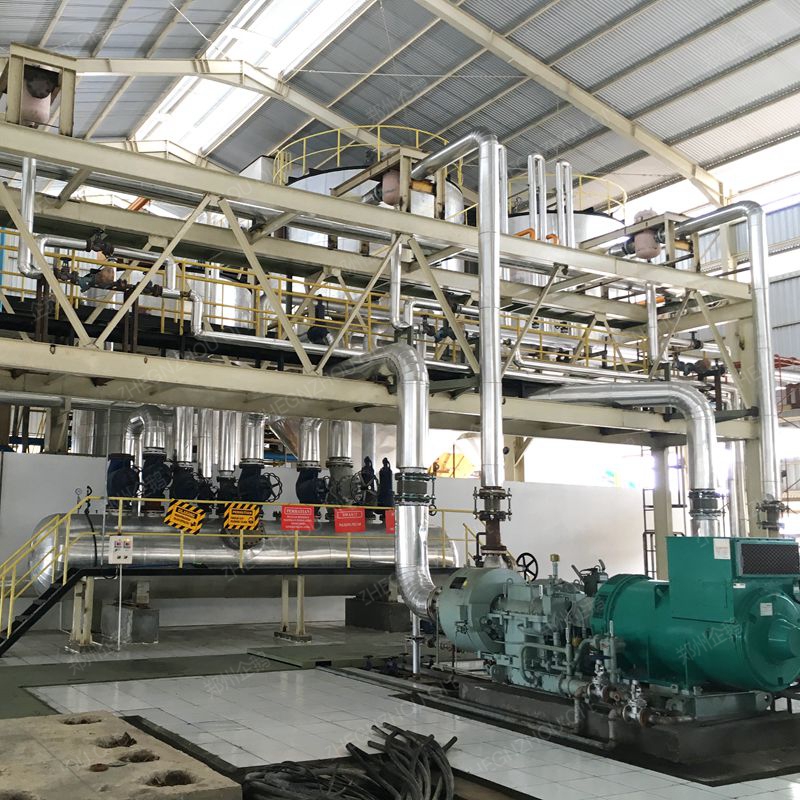
Discover the Dual - Mode Automatic Cold - Hot Press Oilseed Expeller Now!
 spiral榨油机 efficiency
vertical cake unloading mechanism
segmented bushing design
oil extraction optimization
cold hot pressing technology
cold press oil extraction
hot press oil processing
edible oil production efficiency
energy-saving榨油技术
oilseed processing optimization
cold press oil extraction
hot press oil processing
oilseed expeller machine
edible oil production optimization
efficient oil pressing technology
Vertical cake discharging mechanism
Segmented cage
Screw oil press
Smooth oil drainage
Equipment stability
fully automated oil press machine
cold and hot pressing technology
mid-sized edible oil plant solutions
energy-saving oil extraction equipment
multi-stage filtration system
spiral榨油机 efficiency
vertical cake unloading mechanism
segmented bushing design
oil extraction optimization
cold hot pressing technology
cold press oil extraction
hot press oil processing
edible oil production efficiency
energy-saving榨油技术
oilseed processing optimization
cold press oil extraction
hot press oil processing
oilseed expeller machine
edible oil production optimization
efficient oil pressing technology
Vertical cake discharging mechanism
Segmented cage
Screw oil press
Smooth oil drainage
Equipment stability
fully automated oil press machine
cold and hot pressing technology
mid-sized edible oil plant solutions
energy-saving oil extraction equipment
multi-stage filtration system


.png?x-oss-process=image/resize,h_100,m_lfit/format,webp)
.png?x-oss-process=image/resize,h_100,m_lfit/format,webp)
.png?x-oss-process=image/resize,h_100,m_lfit/format,webp)