Understanding the core differences between cold pressing and hot pressing techniques is critical for edible oil producers targeting efficiency, nutritional value, and cost-effectiveness. This article dissects these two prominent methods, highlights their strengths and limitations, and offers actionable insights to optimize production in small to medium-sized oil extraction enterprises.
Cold pressing relies on mechanical extraction under controlled low temperatures, typically below 50°C (122°F), to preserve delicate nutrients and natural flavors in seeds such as sunflower, sesame, or flax. In contrast, hot pressing involves roasting or heating oilseeds to elevated temperatures (around 90-130°C or 194-266°F) before extraction, increasing oil yield by breaking down cell walls and facilitating higher oil release.
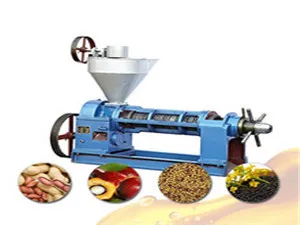
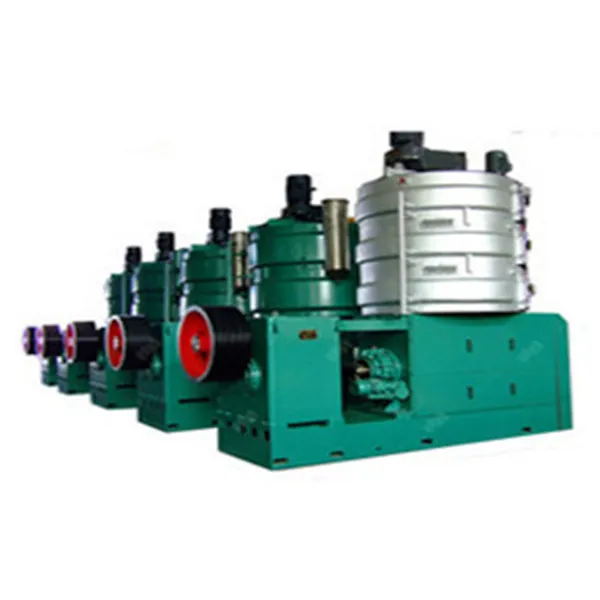
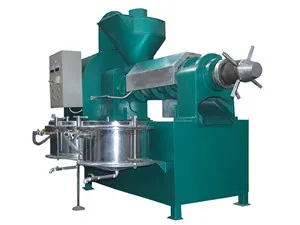
Both processes use specialized oilseed pressing machines, but differ significantly in equipment design, heat management, and process flow. Cold press machinery emphasizes gentle squeezing with minimal heat generation, preserving antioxidants and vitamins—especially vitamin E and polyphenols. Hot press setups integrate heating chambers or steam injection, promoting greater extraction efficiency but may degrade some heat-sensitive compounds.
| Aspect | Cold Press | Hot Press |
|---|---|---|
| Oil Quality & Nutrition | Retains maximum nutrients, antioxidants, natural taste | Higher oil yield but partial loss of heat-sensitive nutrients |
| Extraction Efficiency | Lower yield (~70-80%) due to gentle process | Higher yield (~85-95%) achieved through heating |
| Energy Consumption | Lower electricity use; no heating required | Higher energy demand for seed heating/roasting |
| Maintenance & Operation | Simpler design; easier maintenance; slower process | More complex equipment; periodic heating system checks required |
| Suitability for Seed Types | Ideal for delicate seeds (e.g., flaxseed, walnut) | Suited for high oil-content, hard seeds (e.g., soybean, rapeseed) |
For small and medium-sized edible oil producers, energy cost is a pivotal consideration. Cold press units typically consume 15-25% less electrical energy compared to hot press lines, given the elimination of the seed heating phase. Moreover, maintenance routines for cold press machines are less intensive, reducing downtime by an average of 10-15%, thereby increasing operational continuity.
However, hot pressing's higher extraction yield translates into increased oil output per batch, offsetting the elevated energy expenses. Typically, hot press oil yield improvements can yield 10-20% more oil relative to cold press, which can substantially impact gross profits when processing large volumes.
Combining technological advances in cold and hot pressing oilseed machines, manufacturers can tailor solutions to balance yield and quality. Innovative dual-mode equipment now offers customizable temperature control, allowing operators to switch between cold and warm pressing within a single machine, enhancing versatility.
For instance, one mid-sized producer specializing in flaxseed oil integrated a modern cold press setup, resulting in a 25% increase in retained omega-3 fatty acids while maintaining cost-efficiency. Conversely, a soybean processor adopting hot press technology recorded a 30% improvement in extraction rates, amplifying revenue significantly despite higher energy usage.
When selecting oilseed pressing equipment, decision makers should assess:
Aligning these factors with machinery features ensures sustainable competitive advantage and brand differentiation.
Recent innovations focus on energy recovery, automated temperature control, and user-friendly interfaces. Modern units incorporate real-time monitoring systems to optimize pressing parameters, enhance consistency, and reduce waste. Integration with IoT-enabled platforms allows remote diagnostics, which is gaining traction for small to medium enterprises aiming to maximize uptime.
Furthermore, modular designs facilitate combination presses, enabling processors to experiment with hybrid methods that can extract high-quality oil efficiently, thus blending the best aspects of both cold and hot pressing.


.png?x-oss-process=image/resize,h_100,m_lfit/format,webp)
.png?x-oss-process=image/resize,h_100,m_lfit/format,webp)
.png?x-oss-process=image/resize,h_100,m_lfit/format,webp)