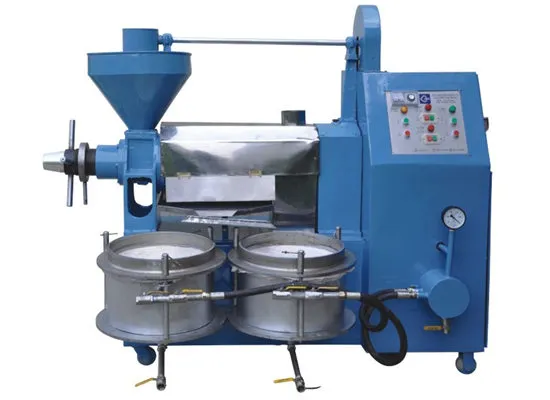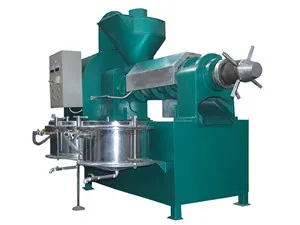
Choosing the right oil extraction method is a critical decision that impacts product quality, energy costs, and long-term profitability in edible oil production. Whether you're operating a small-scale mill or scaling up operations, understanding the differences between cold press and hot press technologies can help you make data-driven choices.
Cold pressing typically operates below 40°C (104°F), preserving natural nutrients like vitamin E, polyphenols, and omega-3s. This process uses mechanical pressure without heat, making it ideal for premium oils such as cold-pressed olive, flaxseed, or sesame oil. On average, cold-pressed oil yields range from 70–85% of total seed content.
In contrast, hot pressing heats raw materials to 80–120°C before pressing, increasing oil yield by 10–25%. While this boosts efficiency—especially with high-fat seeds like soybeans or sunflower—the trade-off includes partial nutrient degradation. For example, studies show a 15–30% reduction in tocopherol levels in hot-pressed oils compared to cold-pressed ones.
| Feature | Cold Press | Hot Press |
|---|---|---|
| Oil Yield (%) | 70–85% | 85–95% |
| Energy Consumption (kWh/kg) | 0.8–1.2 | 1.5–2.5 |
| Maintenance Cost (Annual) | $1,500–$3,000 | $4,000–$7,000 |
| Labor Intensity | Low | Medium-High |
If your target market values organic, health-conscious, or gourmet-grade oils—such as European or North American consumers—you’ll benefit more from cold press. However, if your goal is volume and cost-efficiency (like supplying bulk oils to food processors or restaurants), hot press may be better suited.
A real-world case: A mid-sized Indian oil mill switched from traditional hot pressing to automated cold-press technology and saw a 20% increase in profit margins due to higher-value branding and reduced energy use. They also cut labor hours per ton by 35%, thanks to integrated filtration systems.
Q: Can I switch between cold and hot press on the same machine?
A: Yes—but only with fully adjustable temperature-controlled presses. Fixed systems often require separate lines.
Q: How much does automation reduce operational risk?
A: According to a 2023 industry survey, automated cold-hot press machines reduce human error-related losses by up to 40% and improve consistency across batches.
Q: What about post-processing filtration?
A: Proper filtration is essential regardless of method. Cold-pressed oils need finer filters (5–10 μm) to retain clarity, while hot-pressed oils benefit from coarse filters (10–20 μm) to prevent clogging.
Pro Tip: Start small—test both methods using one batch each month. Track yield, quality, and customer feedback to find the sweet spot for your brand positioning.
Discover how our fully automatic cold-hot press oilseed expeller delivers consistent performance, lower energy consumption, and expert support—so you can focus on growing your business, not fixing equipment.
Explore Our Smart Oil Press Solutions →


.png?x-oss-process=image/resize,h_100,m_lfit/format,webp)
.png?x-oss-process=image/resize,h_100,m_lfit/format,webp)
.png?x-oss-process=image/resize,h_100,m_lfit/format,webp)
.jpg?x-oss-process=image/resize,h_800,m_lfit/format,webp)