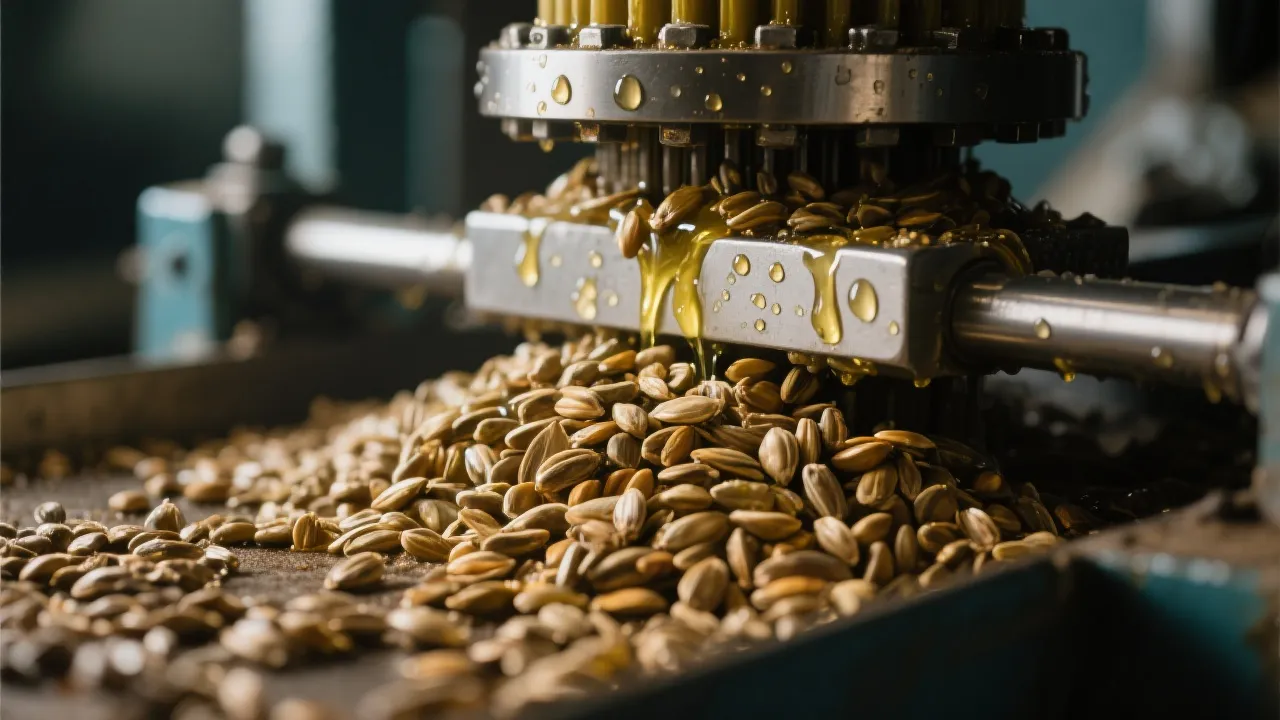
In the global edible oil market, the choice of extraction method materially impacts product quality, consumer perception, and ultimately export success. Cold pressing technology has risen as a preferred technique, especially for high-end oils targeting discerning markets like Europe and North America. This article dissects the core advantages and limitations of cold pressing vis-à-vis traditional hot pressing methods, offering actionable insights for small to medium-sized oil enterprises seeking robust international competitiveness.
Cold pressing involves mechanically crushing oilseeds at temperatures typically below 50°C, preserving sensitive nutrients and flavors. Contrastingly, hot pressing uses elevated heat (often >100°C) to increase oil extraction efficiency but risks degrading delicate bioactive compounds. Understanding these fundamental differences is key to aligning product positioning with market expectations.
However, cold pressing is not without challenges.
| Cold Pressing Limitations | Details |
|---|---|
| Lower Yield | Typically 10-15% lower oil output compared to hot pressing, impacting volume efficiency. |
| Stringent Raw Material Prep | Requires high-quality, properly cleaned seeds to avoid clogging and ensure optimal extraction. |
| Higher Investment in Maintenance | Precision machinery demands regular upkeep, though modern automated systems mitigate this. |
Hot pressing maximizes oil extraction rates, often exceeding 90%, making it viable for large-scale productions focused on commercial-grade oils. The elevated temperature softens seeds, reducing mechanical effort and labor intensity by up to 60%. However, high heat can degrade thermally sensitive nutrients such as Vitamin E and polyphenols, potentially diminishing product appeal in premium markets.
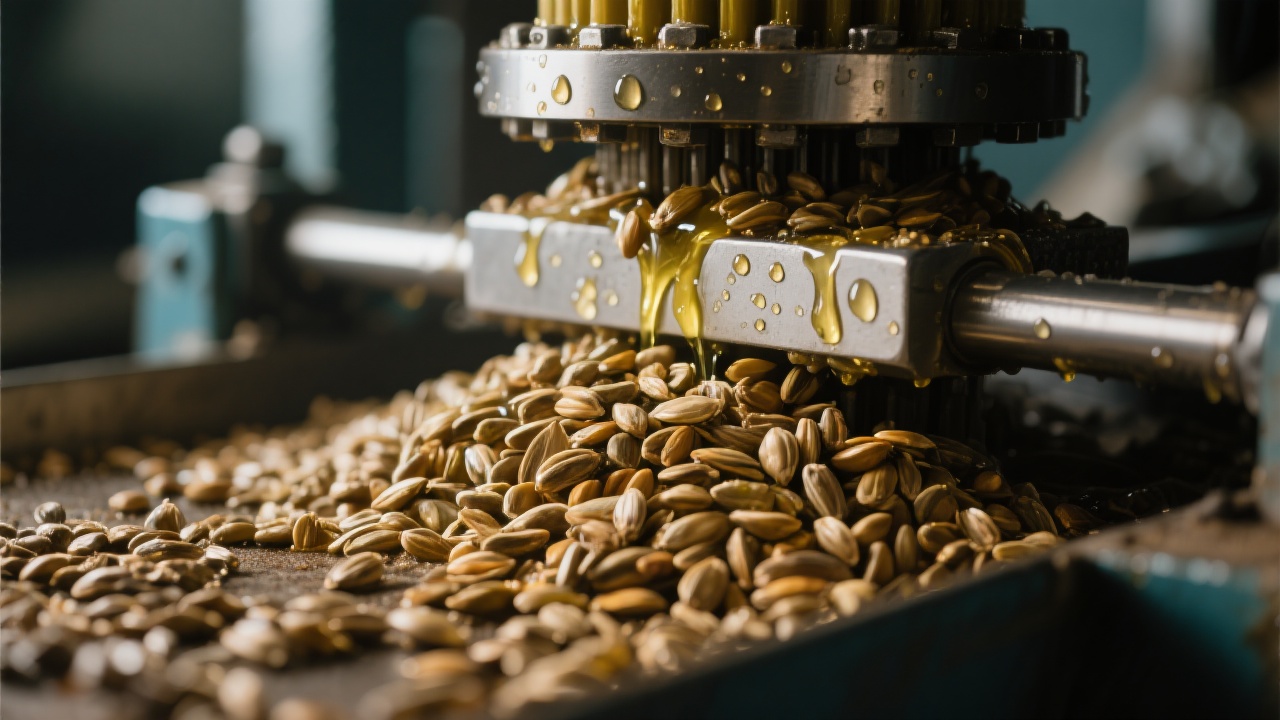
For businesses emphasizing small-batch, premium, or organic oils, cold pressing is highly recommended due to its superior nutrient conservation and market appeal. Mid-to-large scale producers benefiting from economies of scale may opt for hot pressing to maximize throughput, reserving cold-pressed offerings as specialty lines.
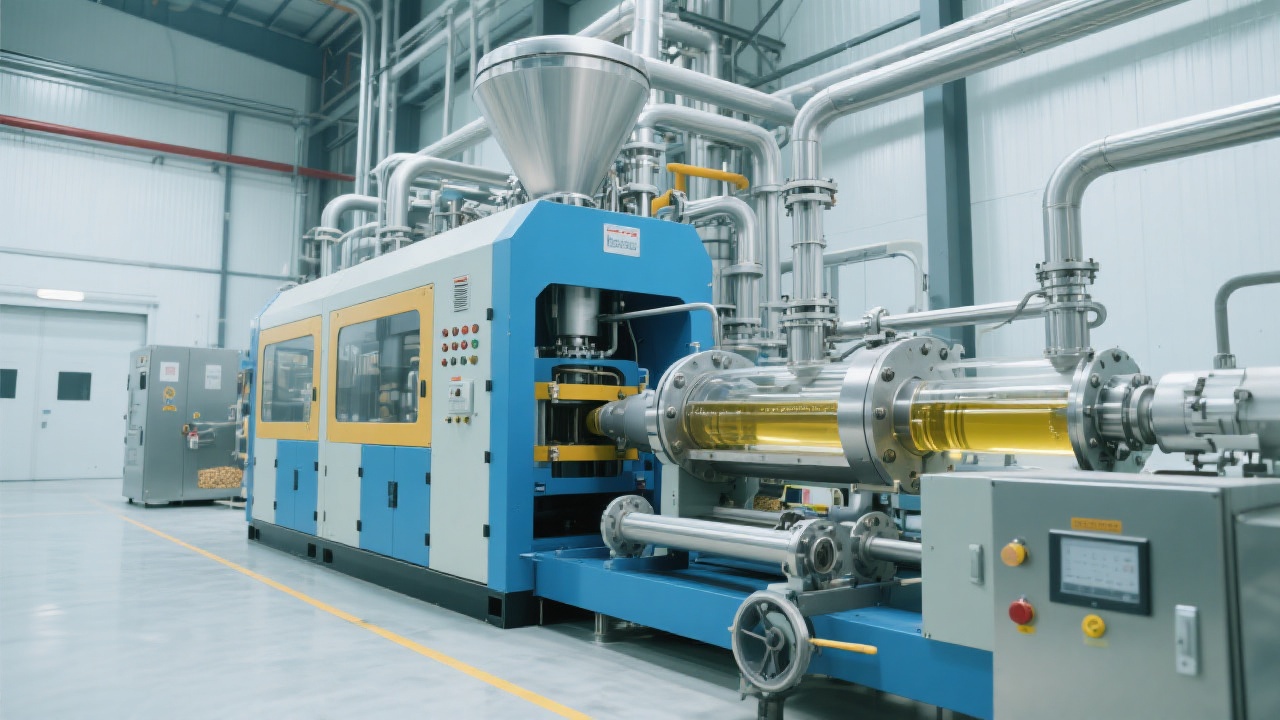
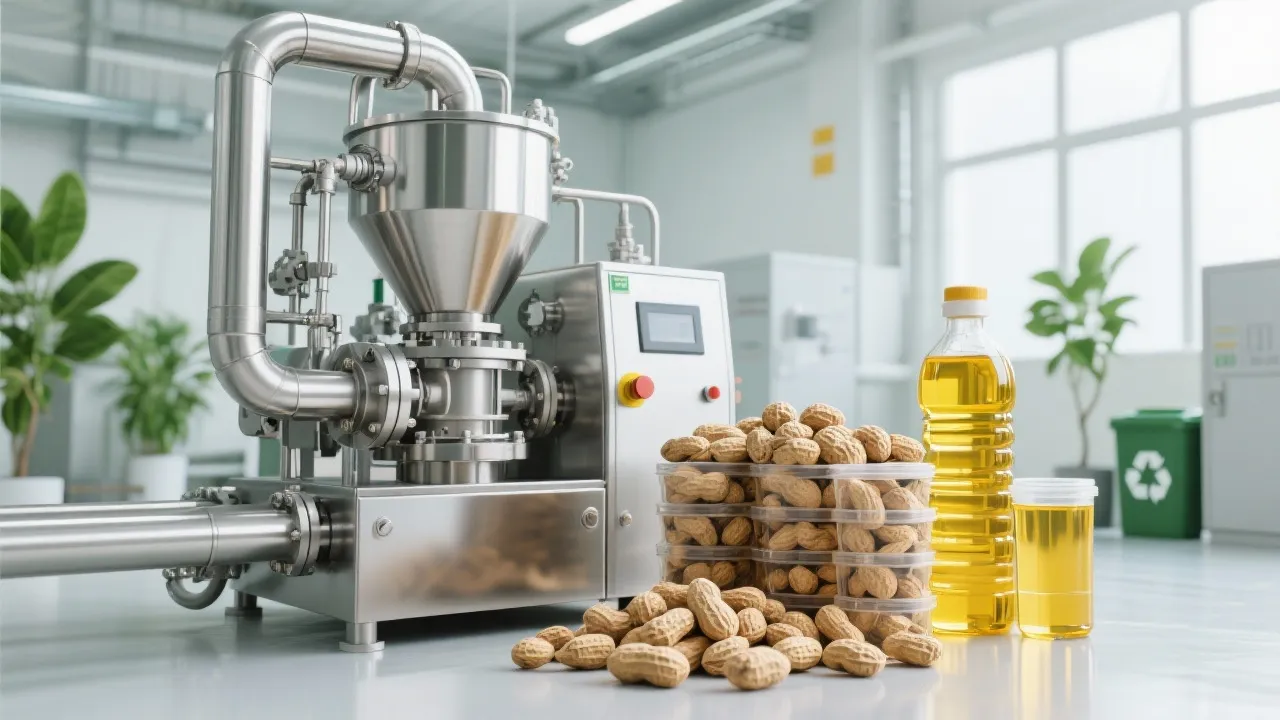
A medium-sized Chinese oil producer implemented a state-of-the-art cold pressing system, achieving 85% retention of Vitamin E and reducing processing energy by 38%. The oil obtained organic certification and successfully penetrated EU markets demanding stringent quality standards. This strategic alignment of technology and market expectations yielded a 25% increase in export revenues within 18 months.

 spiral oil press wear parts
oil press maintenance tips
oil press spare parts replacement
oil press failure prevention
oil press energy efficiency
spiral oil press wear-resistant materials
oil press machine component maintenance
spiral shaft durability
cake discharge mechanism care
industrial oil press wear parts
High-wear-resistant materials
Screw oil presses
Equipment service life
Pressing efficiency
Maintenance skills
Screw oil press wear - resistant materials
Lifespan of oil press vulnerable parts
Cold and hot pressing process equipment
Oil press maintenance skills
Energy - efficient oil pressing equipment
spiral oil press machine design
dual screw intermeshing technology
efficient oil extraction rate
cold press vs hot press oil extraction
self-cleaning oil press
spiral oil press wear parts
oil press maintenance tips
oil press spare parts replacement
oil press failure prevention
oil press energy efficiency
spiral oil press wear-resistant materials
oil press machine component maintenance
spiral shaft durability
cake discharge mechanism care
industrial oil press wear parts
High-wear-resistant materials
Screw oil presses
Equipment service life
Pressing efficiency
Maintenance skills
Screw oil press wear - resistant materials
Lifespan of oil press vulnerable parts
Cold and hot pressing process equipment
Oil press maintenance skills
Energy - efficient oil pressing equipment
spiral oil press machine design
dual screw intermeshing technology
efficient oil extraction rate
cold press vs hot press oil extraction
self-cleaning oil press






.png?x-oss-process=image/resize,h_100,m_lfit/format,webp)
.png?x-oss-process=image/resize,h_100,m_lfit/format,webp)
.png?x-oss-process=image/resize,h_100,m_lfit/format,webp)