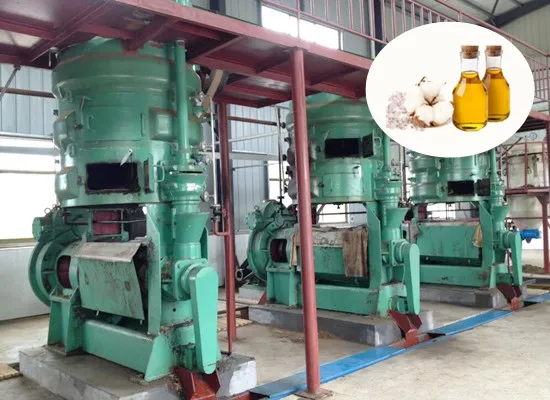
When it comes to edible oil production, choosing between cold press and hot press extraction isn't just a technical decision—it's a strategic one that impacts nutrition, cost, and market positioning. For small to mid-sized manufacturers looking to scale with quality, understanding the real-world differences is essential.
Cold pressing maintains temperatures below 40°C (104°F), preserving natural compounds like vitamin E and polyphenols. In contrast, hot pressing uses heat—typically 80–120°C—to soften oilseed cells and increase yield. While both methods extract oil from seeds such as sunflower, rapeseed, or sesame, their outcomes differ significantly in terms of nutritional value, energy use, and operational complexity.
| Factor | Cold Press | Hot Press |
|---|---|---|
| Oil Yield (%) | 65–75% | 80–90% |
| Energy Consumption (kWh/kg oil) | ~2.5 kWh | ~1.8 kWh |
| Vitamin E Retention | High (>90%) | Moderate (~60%) |
| Maintenance Cost (Annual) | $1,500–$2,500 | $2,000–$3,500 |
According to the FAO’s 2022 report on sustainable oil processing, cold-pressed oils retain up to 30% more bioactive compounds than traditional hot-pressed alternatives—making them ideal for premium labeling and export markets.
Small-scale producers aiming for organic certification or health-focused branding often prefer cold press due to its minimal processing. However, medium-sized factories seeking higher throughput may find hot press more economically viable—with a 15–20% boost in yield per batch.
Real-world example: A Turkish olive oil producer increased gross margins by 12% after switching to a dual-mode system that allows cold press for premium lines and hot press for bulk supply—without compromising equipment efficiency.
Q: Can cold press be used for all types of oilseeds?
A: Not all. Seeds with high fiber content (like flax or soy) may require pre-conditioning or blending with easier-to-extract oils to ensure consistent flow and quality.
Q: Does hot pressing destroy nutrients?
A: It reduces some heat-sensitive nutrients—but not all. Many consumers prioritize taste, shelf life, and price over trace vitamins, especially in commercial kitchens or food service sectors.
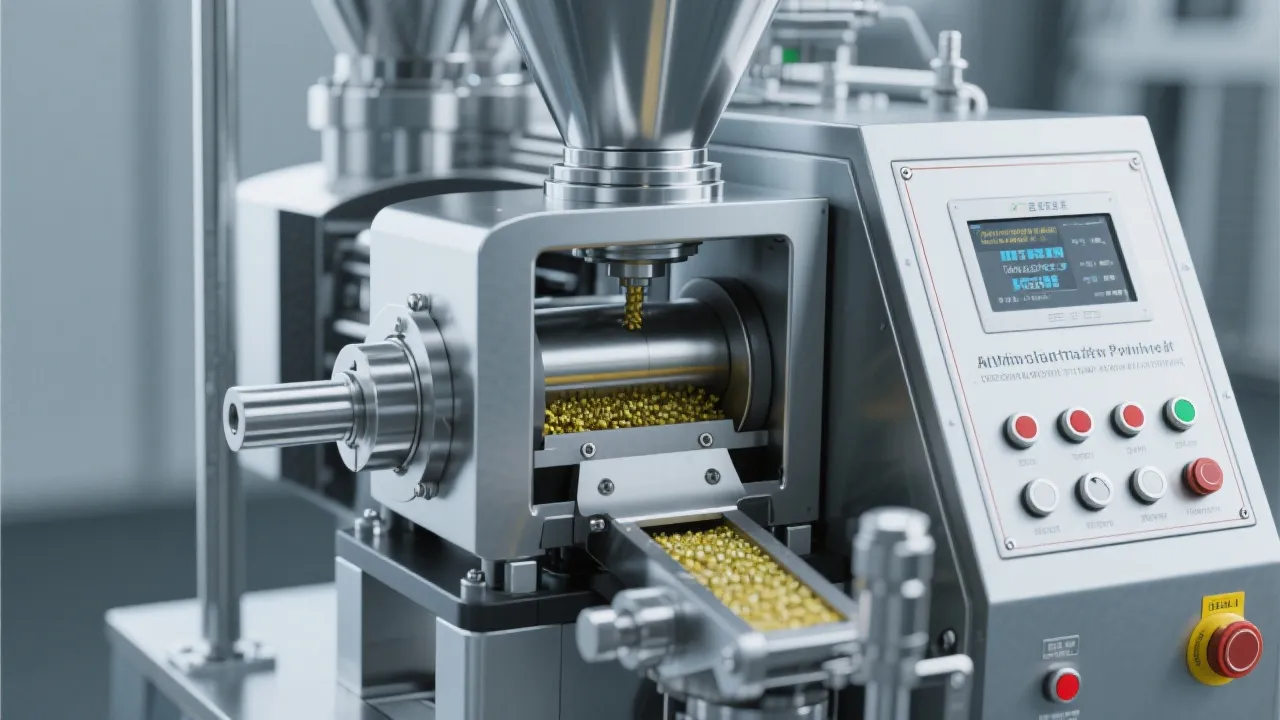
Our automatic dual-mode cold-hot press oil machine offers flexibility—you can switch between modes based on raw material, customer demand, or seasonal trends. No extra investment needed. Just smarter processing.
Explore Our Dual-Mode Solution Now


.png?x-oss-process=image/resize,h_100,m_lfit/format,webp)
.png?x-oss-process=image/resize,h_100,m_lfit/format,webp)
.png?x-oss-process=image/resize,h_100,m_lfit/format,webp)