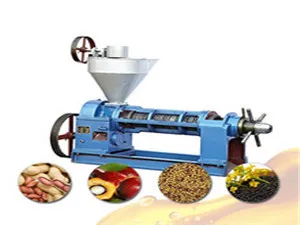
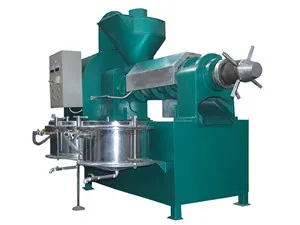
When it comes to producing high - quality edible oils for export, choosing the right pressing process is crucial. Let's start by understanding the fundamental principles and process differences between cold pressing and hot pressing.
Cold pressing is a low - temperature extraction method. It typically operates at temperatures below 49°C. This gentle process involves using mechanical force to extract oil from seeds or nuts. The process is relatively simple: raw materials are fed into the press, and pressure is gradually applied to squeeze out the oil. This low - temperature environment helps preserve the natural nutrients and flavors of the oil.
On the other hand, hot pressing uses high temperatures, usually above 100°C, to release the oil. The heat softens the cell walls of the raw materials, making it easier to extract the oil. First, the raw materials are heated, and then they are pressed. This method can significantly increase the oil yield but may have an impact on the nutritional value of the oil.

Cold - pressed oils are well - known for their high nutrient retention. Since the low - temperature process minimizes oxidation and degradation, vitamins, antioxidants, and essential fatty acids are better preserved. For example, cold - pressed olive oil retains a high amount of vitamin E, which has antioxidant properties. In contrast, hot - pressed oils may lose some of these nutrients due to the high - temperature treatment. However, some vitamins and minerals are still present, but the overall nutritional profile is not as rich as cold - pressed oils.
In terms of oil extraction efficiency, hot pressing has an advantage. The high temperature softens the raw materials and breaks down the cell structures more effectively, resulting in a higher oil yield. On average, hot pressing can achieve an oil extraction rate of up to 90%, while cold pressing usually has an extraction rate of around 70 - 80%. However, this higher yield comes at the cost of some nutritional value.
Cold pressing is generally more energy - efficient. The low - temperature operation requires less energy for heating. In fact, cold - pressing processes can save up to 40% in energy consumption compared to hot - pressing processes. This not only reduces production costs but also aligns with the growing demand for sustainable production methods.
Cold pressing is relatively simple to operate. It requires less complex equipment and fewer steps. The raw materials can be directly pressed without pre - heating. In contrast, hot pressing involves a pre - heating step, which adds to the operational complexity. It also requires more precise temperature control to ensure the quality of the oil.
Different application scenarios require different pressing processes. For high - end organic oils, cold pressing is the ideal choice. Consumers of high - end organic oils value the natural nutrients and pure flavors. Cold - pressed oils meet these requirements perfectly. For example, cold - pressed flaxseed oil is popular in the health food market due to its high omega - 3 fatty acid content.
On the other hand, for large - scale commercial oils, hot pressing is more suitable. The higher oil yield and relatively lower cost per unit make it a cost - effective option for mass production. For instance, in the production of soybean oil for the food service industry, hot pressing can meet the large - scale demand.
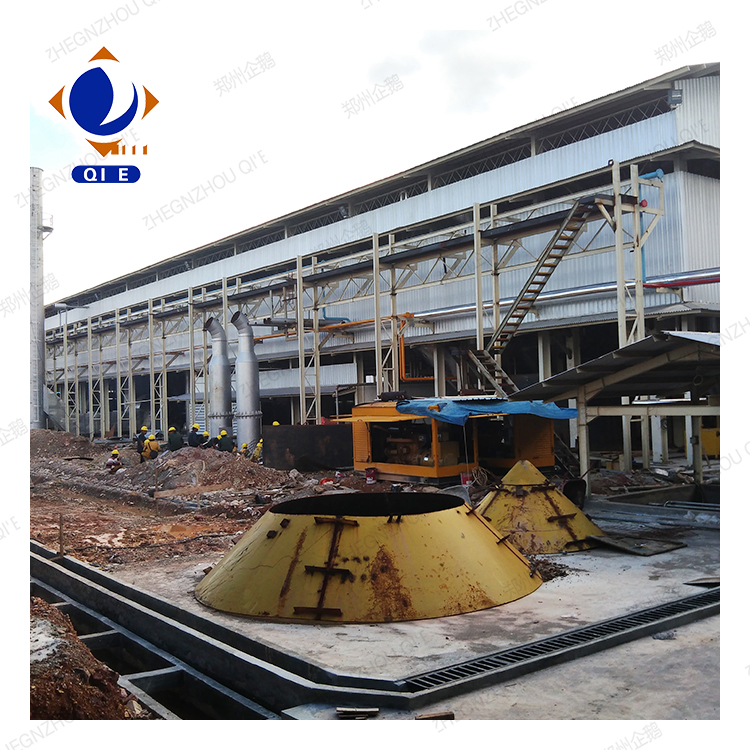
According to industry data, a small - scale organic oil producer switched from hot pressing to cold pressing for their walnut oil production. The nutrient content of the oil increased significantly, and the product received positive feedback from consumers. As a result, their sales increased by 30% within a year. Another case is a large - scale soybean oil producer. By using hot pressing, they were able to increase their oil output by 20% while reducing the production cost per liter by 15%.
A: Cold pressing usually operates at temperatures below 49°C, while hot pressing uses temperatures above 100°C.
A: Cold pressing is suitable for oil seeds like olives, flaxseeds, and almonds. Hot pressing can be used for soybeans, peanuts, and rapeseeds.
A: Cold - pressing equipment usually requires maintenance every 3 - 6 months, while hot - pressing equipment may need more frequent maintenance, about every 1 - 3 months, due to the high - temperature operation.
Our brand's equipment is designed to support both cold and hot pressing processes. It can help you achieve efficient and energy - saving production. Whether you are producing high - end organic oils or large - scale commercial oils, our equipment can meet your needs. With advanced technology, our equipment can precisely control the temperature and pressure, ensuring high - quality oil production.
If you want to improve the quality of your edible oil products and enhance your market competitiveness, click here to learn more about how our equipment can support your cold and hot pressing processes.
 multi-stage precision filtration
oilseed pressing machine
edible oil filtration technology
oil purity improvement
maintenance reduction
wear-resistant materials for screw oil press
screw oil press machine maintenance
extending oil press lifespan
high-efficiency oil extraction equipment
reducing equipment downtime
energy efficient screw oil press
cold pressing vs hot pressing
screw press for oil extraction
oilseed processing equipment
dual helical shaft technology
Cold - pressing technology advantages and disadvantages
Comparison of hot - pressing oil extraction processes
Edible oil production equipment
Oil extraction technology
Energy - saving technology for oil presses
cold press oil extraction
hot press oil processing
oilseed expeller machine
edible oil production optimization
efficient oil pressing technology
multi-stage precision filtration
oilseed pressing machine
edible oil filtration technology
oil purity improvement
maintenance reduction
wear-resistant materials for screw oil press
screw oil press machine maintenance
extending oil press lifespan
high-efficiency oil extraction equipment
reducing equipment downtime
energy efficient screw oil press
cold pressing vs hot pressing
screw press for oil extraction
oilseed processing equipment
dual helical shaft technology
Cold - pressing technology advantages and disadvantages
Comparison of hot - pressing oil extraction processes
Edible oil production equipment
Oil extraction technology
Energy - saving technology for oil presses
cold press oil extraction
hot press oil processing
oilseed expeller machine
edible oil production optimization
efficient oil pressing technology







.png?x-oss-process=image/resize,h_100,m_lfit/format,webp)
.png?x-oss-process=image/resize,h_100,m_lfit/format,webp)
.png?x-oss-process=image/resize,h_100,m_lfit/format,webp)