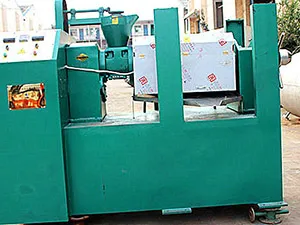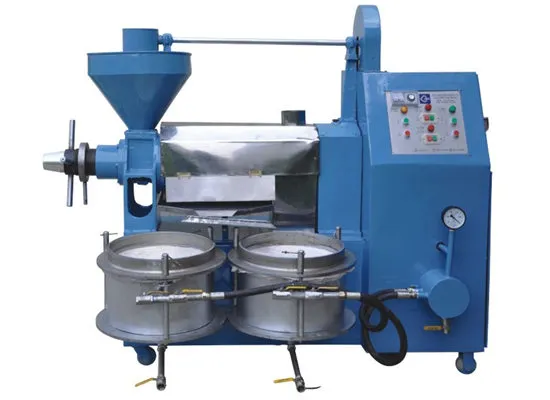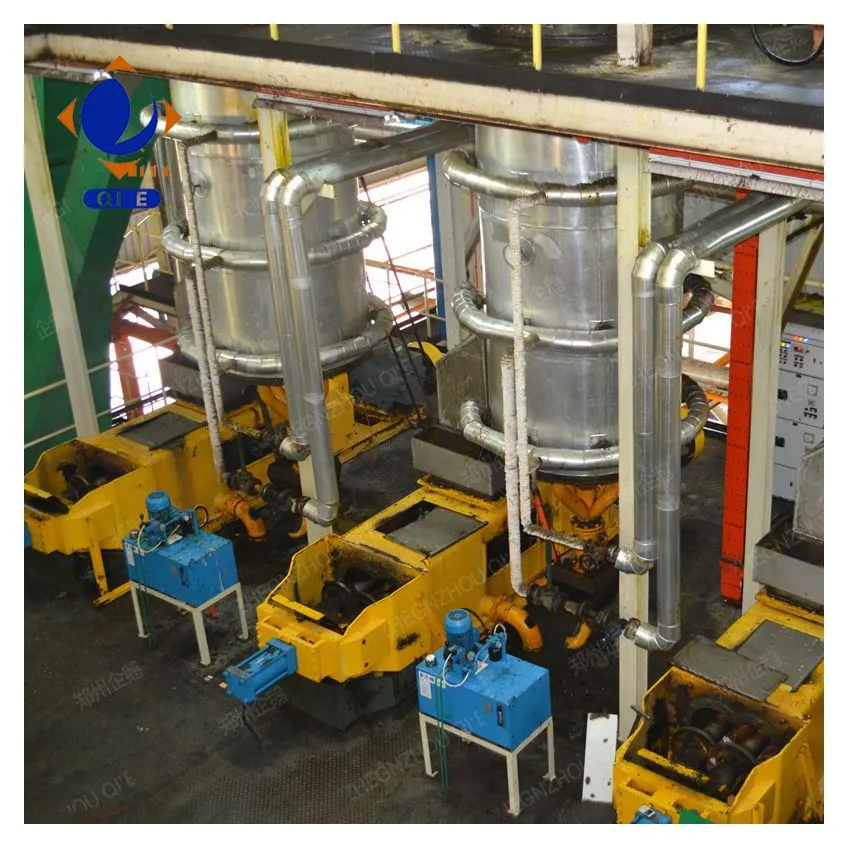
Cold pressing oil is a process that effectively preserves the nutrients in multi - seed raw materials such as nuts, beans, and oilseeds. This guide will take you through the entire process, from raw material pre - treatment to finished product storage, with a focus on practical details and solutions to common problems.
The first step in the cold pressing oil process is raw material screening and cleaning. It is crucial to select high - quality raw materials. For example, nuts should be free from mold and damage. After selection, the raw materials are thoroughly cleaned to remove dirt and impurities. This step can significantly improve the quality of the final oil product. Our equipment at Penguin Group is designed to handle this task efficiently, ensuring that only the best raw materials enter the next stage.
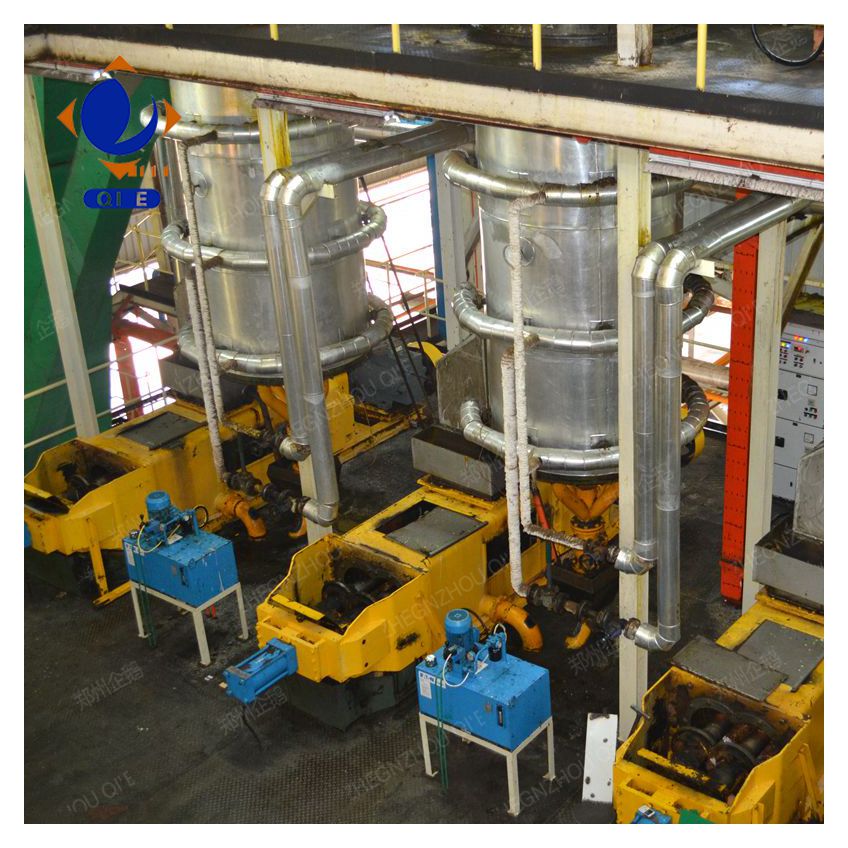
Before pressing, the raw materials need to be crushed and roasted. The crushing process breaks the raw materials into smaller pieces, increasing the surface area for oil extraction. The roasting parameters, such as temperature and time, are critical. Generally, the roasting temperature for nuts can range from 80°C to 100°C for about 30 - 60 minutes. This helps to release the oil more easily while maintaining the nutritional value. Our equipment supports precise temperature control, ensuring that each batch reaches the optimal nutritional retention effect.
The core of the cold pressing process is low - temperature pressing. The temperature should be controlled below 60°C to preserve the nutrients in the raw materials. The pressure also needs to be adjusted according to the type of raw material. For example, when pressing soybeans, a pressure of about 20 - 30 MPa can achieve a good oil extraction rate. By carefully controlling the temperature and pressure, we can not only extract more oil but also ensure the quality of the oil.
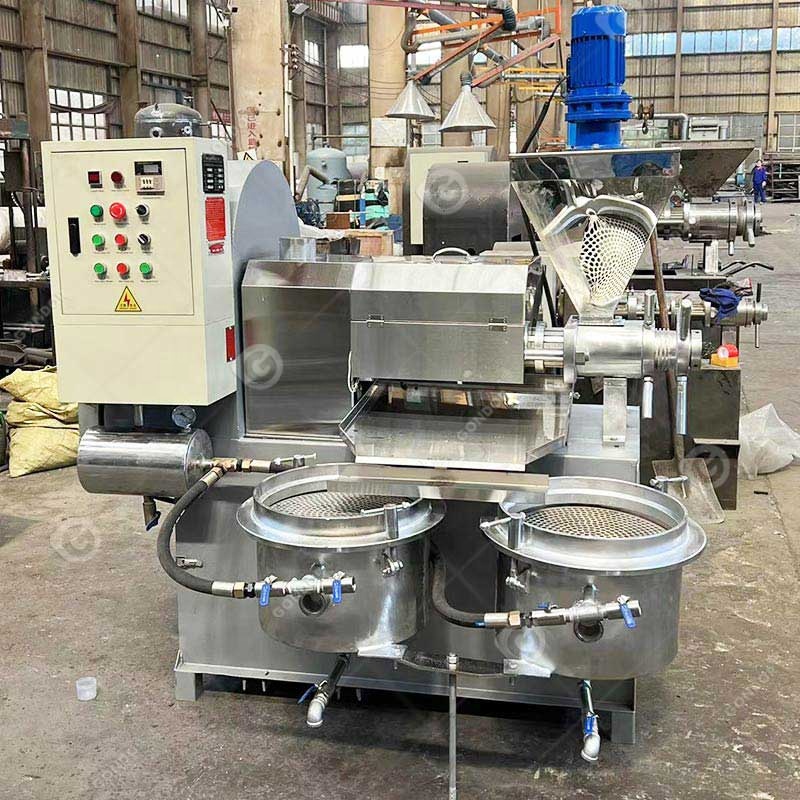
After pressing, the crude oil needs to be filtered to remove impurities. The filter cloth replacement cycle is an important factor. Generally, for a small - scale production, the filter cloth should be replaced every 8 - 10 hours to ensure efficient impurity removal. Using high - quality filter cloth can effectively improve the clarity of the oil.
The degumming process is essential for improving the stability of the oil. Phospholipids in the oil can cause the oil to become cloudy and reduce its shelf life. By adding a small amount of water or acid to the oil and then separating the gum, we can improve the quality and stability of the oil. The degumming process should be optimized according to the type of raw material.
The finished oil should be stored in a cool, dark place to prevent oxidation. The storage temperature should be below 20°C, and the relative humidity should be controlled at about 60%. By following these storage conditions, we can ensure the quality and nutritional value of the oil for a long time.
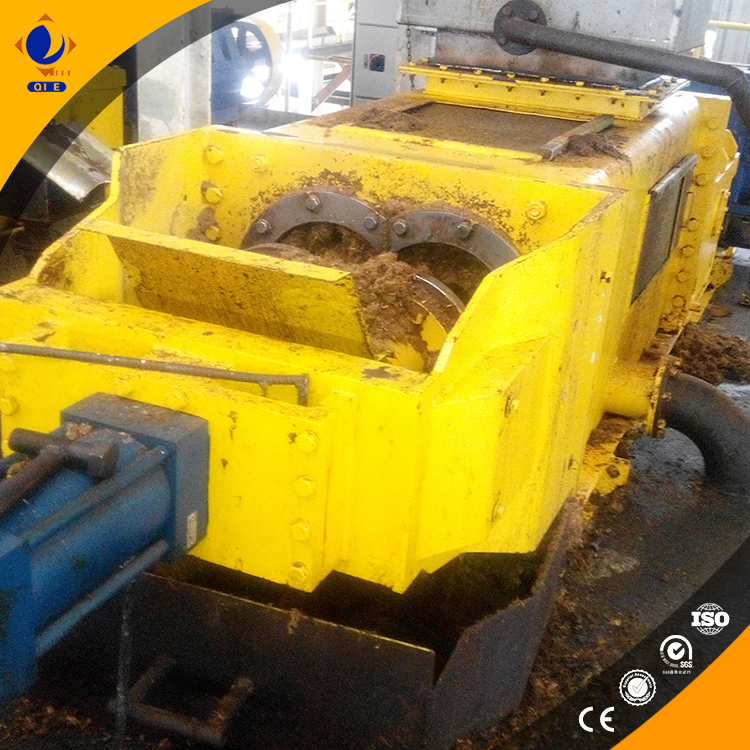
Different raw materials, such as mixed nuts, soybeans, and flaxseeds, require different treatment methods. For example, flaxseeds are rich in omega - 3 fatty acids, so the pressing temperature should be lower to preserve these nutrients. By understanding the characteristics of different raw materials, we can adjust the process parameters to achieve the best results.
Maintaining process consistency is crucial for producing high - quality cold - pressed oil. At the same time, we need to ensure that the nutrients in the raw materials are well - preserved. By following the steps and parameters mentioned above, we can achieve a balance between process consistency and nutrient retention.
Ready to enhance your cold - pressed oil production? Discover how Penguin Group's advanced equipment can help you achieve better results. Click here to learn more.
 Multi - stage filtration system
Oil press maintenance
High - efficiency hydraulic press
Physical pressing technology
Energy - saving oil extraction equipment
High-pressure hydraulic oil press
Multi-oil applicable oil press
Energy-saving hydraulic oil equipment
Vegetable oil pressing technology
Vacuum filtration oil press
Industrial rapeseed hydraulic oil press
Hydraulic oil press operation
Energy - saving hydraulic oil press
High - pressure hydraulic technology
Vacuum filtration system
compact oil press
small oil mill equipment
multi-material oil press
mechanical pressing technology
home oil processing
Peanut and sesame oil press selection
High - efficiency oil pressing equipment
Physical pressing technology
Home oil processing solutions
Judging the efficiency of oil presses
Multi - stage filtration system
Oil press maintenance
High - efficiency hydraulic press
Physical pressing technology
Energy - saving oil extraction equipment
High-pressure hydraulic oil press
Multi-oil applicable oil press
Energy-saving hydraulic oil equipment
Vegetable oil pressing technology
Vacuum filtration oil press
Industrial rapeseed hydraulic oil press
Hydraulic oil press operation
Energy - saving hydraulic oil press
High - pressure hydraulic technology
Vacuum filtration system
compact oil press
small oil mill equipment
multi-material oil press
mechanical pressing technology
home oil processing
Peanut and sesame oil press selection
High - efficiency oil pressing equipment
Physical pressing technology
Home oil processing solutions
Judging the efficiency of oil presses
.jpg?x-oss-process=image/resize,h_800,m_lfit/format,webp)
.jpg?x-oss-process=image/resize,h_800,m_lfit/format,webp)
.jpg?x-oss-process=image/resize,h_800,m_lfit/format,webp)


.png?x-oss-process=image/resize,h_100,m_lfit/format,webp)
.png?x-oss-process=image/resize,h_100,m_lfit/format,webp)
.png?x-oss-process=image/resize,h_100,m_lfit/format,webp)