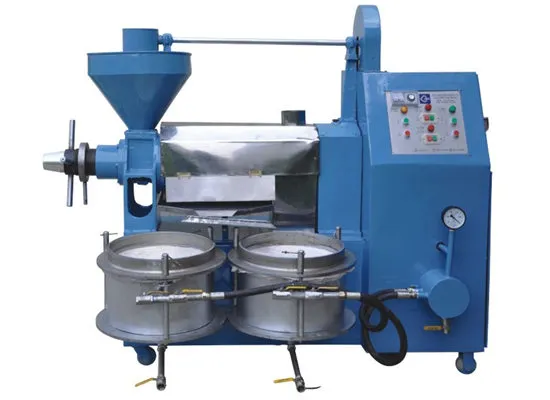
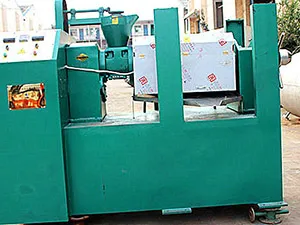
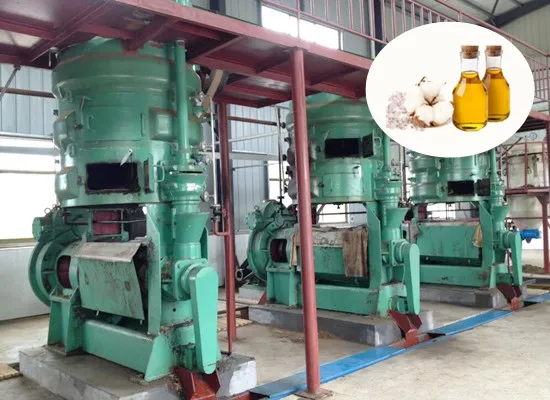
This guide comprehensively analyzes the entire cold pressing process of multi-seed oils, covering every crucial step from raw material pretreatment to finished oil storage. It is designed to be a practical and comprehensive manual for industry practitioners, aiming to help them achieve continuous and stable production and enhance brand competitiveness.
The first step in the cold pressing process is to ensure the quality of raw materials. The raw multi-seed oils should be carefully screened to remove impurities such as stones, dust, and damaged seeds. After screening, the seeds need to be thoroughly cleaned. This can be done by using water or other cleaning agents. For example, for every 100 kilograms of seeds, about 200 - 300 liters of water can be used for cleaning. This step is essential as it directly affects the quality of the final oil product. 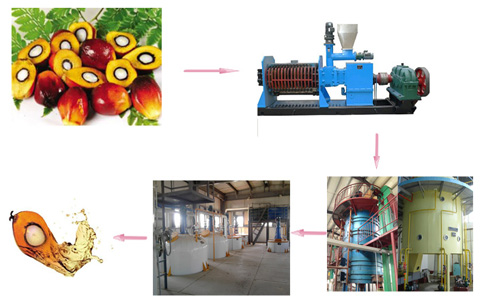
Once the seeds are clean, they go through the crushing and roasting process. The crushing process breaks the seeds into smaller pieces, increasing the surface area for subsequent processes. The roasting temperature and time are critical parameters. Generally, the roasting temperature should be controlled between 80 - 100 degrees Celsius, and the roasting time can range from 30 - 60 minutes. These parameters significantly impact the subsequent pressing effect and the quality of the oil. .jpg)
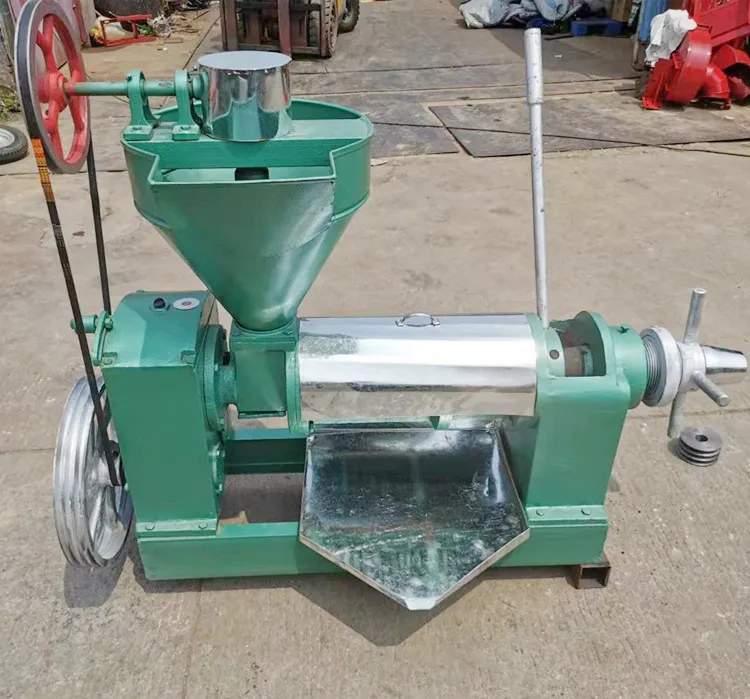
The cold pressing process is the core of this technology. Low - temperature pressing is emphasized because it can effectively preserve the nutritional components of the oil. The pressing temperature is usually controlled below 60 degrees Celsius. At this temperature, the unsaturated fatty acids, vitamins, and other nutrients in the oil are well - preserved. Compared with traditional high - temperature pressing, cold - pressed oil has a higher nutritional value and a better flavor.
After pressing, the oil needs to go through filtration and degumming processes. Filtration is used to remove solid impurities in the oil. A suitable filter cloth should be selected according to the type of oil and the size of impurities. The degumming process is to remove phospholipids and other substances in the oil, which can improve the stability and shelf - life of the oil. During the degumming process, about 0.1 - 0.3% phosphoric acid can be added to the oil and stirred for 15 - 30 minutes. 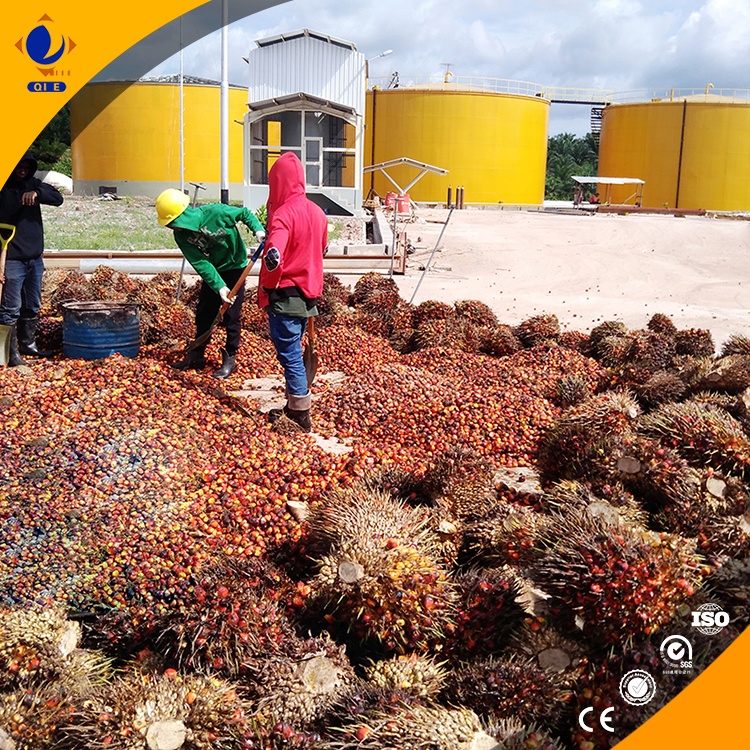
Proper storage conditions are crucial for maintaining the quality of the finished oil. The oil should be stored in a cool, dry, and dark place. The storage temperature is preferably between 10 - 20 degrees Celsius. Additionally, the oil should be stored in air - tight containers to prevent oxidation.
Effective on - site management is essential for the entire production process. Temperature and pressure control are key factors. For example, during the pressing process, the pressure should be gradually increased to ensure efficient oil extraction. The filter cloth also needs regular maintenance and replacement. Generally, the filter cloth should be replaced every 5 - 10 batches of production to ensure the filtration effect.
Whether you are a beginner looking to master the basic operation logic or an experienced professional aiming to optimize the process, this guide provides valuable insights. The Penguin Group offers professional on - site management services and high - quality equipment to help you optimize your production process. If you want to improve your production efficiency and product quality, contact us now to learn more about our solutions.
 oil press maintenance
energy-saving tips
extend machine lifespan
household oil press cleaning
prevent oil press jamming
Hydraulic oil press solid wax separation
Vacuum filtration technology
Pressing efficiency improvement
Oil purity optimization
Vegetable oil pressing process
Physical pressing
Solvent extraction comparison
Additive-free soybean oil
Food-grade oil
Screw pressing technology
High-pressure hydraulic oil press
Multi-oil applicable oil press
Energy-saving hydraulic oil equipment
Vegetable oil pressing technology
Vacuum filtration oil press
rural oil processing energy - saving transformation
small soybean oil press power - saving solutions
oil processing power - saving tips
energy - saving equipment selection for small and medium - sized oil mills
application of screw pressing technology
oil press maintenance
energy-saving tips
extend machine lifespan
household oil press cleaning
prevent oil press jamming
Hydraulic oil press solid wax separation
Vacuum filtration technology
Pressing efficiency improvement
Oil purity optimization
Vegetable oil pressing process
Physical pressing
Solvent extraction comparison
Additive-free soybean oil
Food-grade oil
Screw pressing technology
High-pressure hydraulic oil press
Multi-oil applicable oil press
Energy-saving hydraulic oil equipment
Vegetable oil pressing technology
Vacuum filtration oil press
rural oil processing energy - saving transformation
small soybean oil press power - saving solutions
oil processing power - saving tips
energy - saving equipment selection for small and medium - sized oil mills
application of screw pressing technology


.jpg?x-oss-process=image/resize,h_800,m_lfit/format,webp)


.jpg?x-oss-process=image/resize,h_800,m_lfit/format,webp)


.png?x-oss-process=image/resize,h_100,m_lfit/format,webp)
.png?x-oss-process=image/resize,h_100,m_lfit/format,webp)
.png?x-oss-process=image/resize,h_100,m_lfit/format,webp)