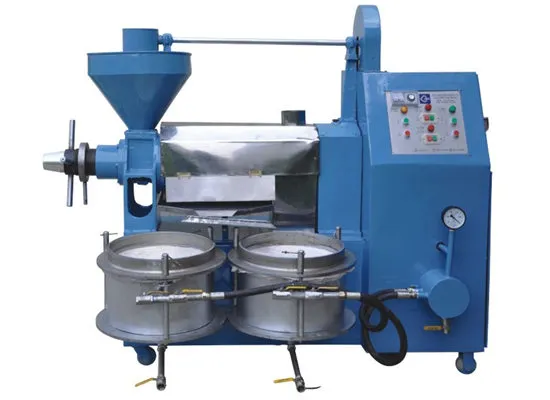
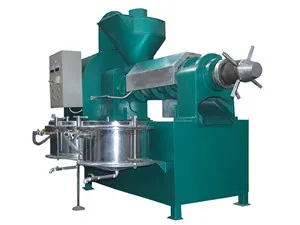
If you're a food processing manufacturer or an edible oil producer looking to enhance product quality while maintaining efficiency, understanding the differences between cold pressing and hot pressing is essential.
Cold pressing operates below 40°C (104°F), preserving heat-sensitive nutrients like vitamin E, polyphenols, and omega-3s. In contrast, hot pressing typically runs at 80–120°C (176–248°F) to increase yield by breaking down cell walls—but at the cost of nutrient degradation.
| Parameter | Cold Pressing | Hot Pressing |
|---|---|---|
| Nutrient Retention (%) | 90–95% | 65–75% |
| Oil Yield (% per kg seed) | 28–32% | 35–40% |
| Energy Consumption (kWh/kg) | 1.2–1.5 | 0.8–1.0 |
| Labor Intensity | Moderate | Low |
For premium brands targeting health-conscious buyers in North America, Europe, and the Middle East, cold-pressed oils are not just a trend—they’re a necessity. Studies show that cold-pressed sunflower oil retains up to 92% of its natural tocopherol content, compared to only 68% in hot-pressed versions. This small difference translates into real shelf-life advantages and stronger consumer trust.
Small-scale producers (<5 tons/day): Cold pressing offers superior flavor and nutrition—ideal for niche markets. Medium factories (5–20 tons/day): A dual-mode system (cold/hot) gives flexibility without sacrificing quality. Large plants (>20 tons/day): Hot pressing remains efficient but should be paired with post-processing filtration to recover lost nutrients.
A mid-sized olive oil processor in Spain switched from pure hot pressing to a hybrid cold-hot system. Within six months:
You might hear: “Cold press = low output.” But modern machines can achieve 30%+ yields even at low temps. Or: “Hot press = no value.” Actually, when used smartly—with precise temperature control and quick cooling—it can balance speed and nutrition. The key is choosing equipment that adapts to your needs—not forcing your process into one mold.
Q: Can I run both cold and hot modes on the same machine?
Yes—our latest automated presses support seamless switching based on raw material type, seasonality, or customer order requirements.
Q: Is cold pressing suitable for all seeds?
Most seeds respond well to cold pressing (e.g., flax, sesame, walnuts). For high-fat seeds like soybean or palm, a controlled hot phase may still be needed for optimal extraction.
See how our intelligent automation delivers consistent quality, reduces waste, and meets evolving buyer expectations worldwide.
Explore the Hybrid Press Solution spiral oil press machine
wear-resistant materials
equipment durability
maintenance frequency reduction
equipment maintenance tips
cold pressing technology advantages
hot pressing oil extraction comparison
edible oil production equipment
oilseed expeller machine
oil extraction methods
multi-stage oil filtration system
edible oil processing technology
cold press oil machine
hot press oil machine
energy-efficient oil press
screw oil press wear-resistant materials
wear part material selection
maintenance reduction strategies
equipment operational stability
screw shaft durability technology
fully automated oil press machine
cold and hot pressing technology
mid-sized edible oil plant solutions
energy-saving oil extraction equipment
multi-stage filtration system
spiral oil press machine
wear-resistant materials
equipment durability
maintenance frequency reduction
equipment maintenance tips
cold pressing technology advantages
hot pressing oil extraction comparison
edible oil production equipment
oilseed expeller machine
oil extraction methods
multi-stage oil filtration system
edible oil processing technology
cold press oil machine
hot press oil machine
energy-efficient oil press
screw oil press wear-resistant materials
wear part material selection
maintenance reduction strategies
equipment operational stability
screw shaft durability technology
fully automated oil press machine
cold and hot pressing technology
mid-sized edible oil plant solutions
energy-saving oil extraction equipment
multi-stage filtration system







.png?x-oss-process=image/resize,h_100,m_lfit/format,webp)
.png?x-oss-process=image/resize,h_100,m_lfit/format,webp)
.png?x-oss-process=image/resize,h_100,m_lfit/format,webp)