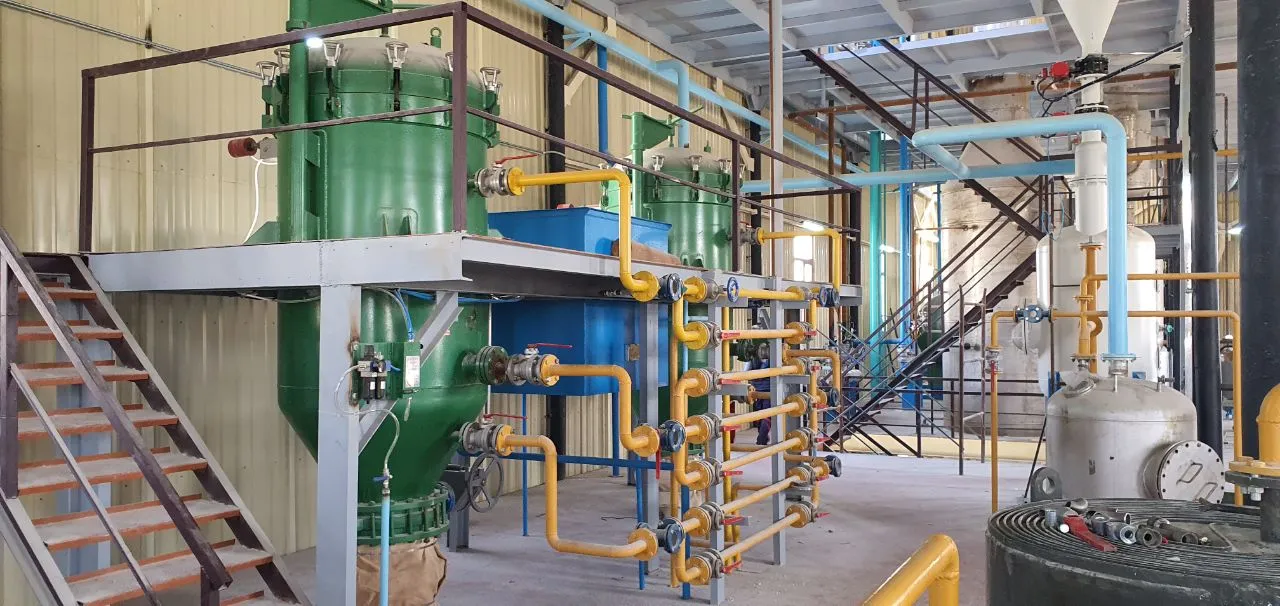
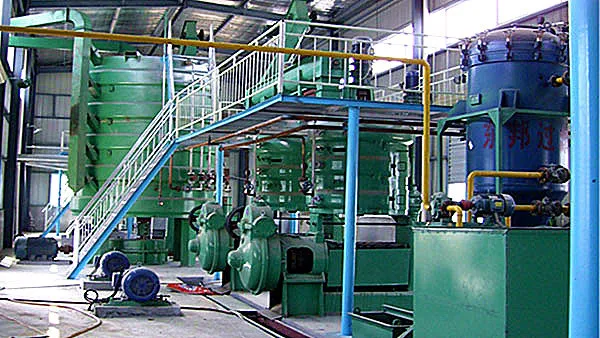
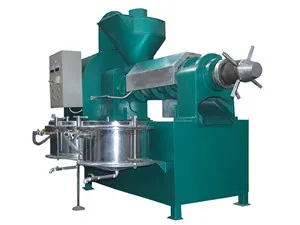
In the realm of edible oil production, two primary methods stand out: cold pressing and hot pressing. Understanding their basic principles and suitable oilseeds is crucial for any edible oil enterprise, especially small - and medium - sized ones. Cold pressing involves extracting oil from oilseeds at low temperatures, typically below 40 - 60°C. This method is suitable for oilseeds like olive, flaxseed, and sesame, which are rich in nutrients that are sensitive to heat.
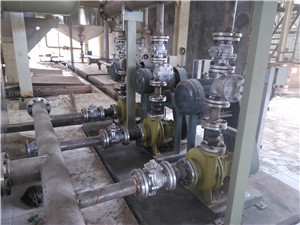
On the other hand, hot pressing heats the oilseeds to higher temperatures, usually around 100 - 120°C, before extraction. This technique is commonly used for oilseeds such as soybean and rapeseed, which can tolerate higher temperatures and have relatively lower nutrient sensitivity.
One of the most significant advantages of cold pressing is its ability to preserve the nutritional value of the oilseeds. Since the process occurs at low temperatures, it minimizes the destruction of vitamins, antioxidants, and essential fatty acids. For example, cold - pressed olive oil retains up to 80% more antioxidants compared to hot - pressed oil. Additionally, the natural flavor and aroma of the oilseeds are better maintained, which is highly desirable for high - end edible oil products.
However, cold pressing also has its limitations. The oil extraction rate is relatively low, usually around 20 - 30% lower than hot pressing, depending on the type of oilseed. This means that more raw materials are required to produce the same amount of oil, resulting in higher raw material costs.
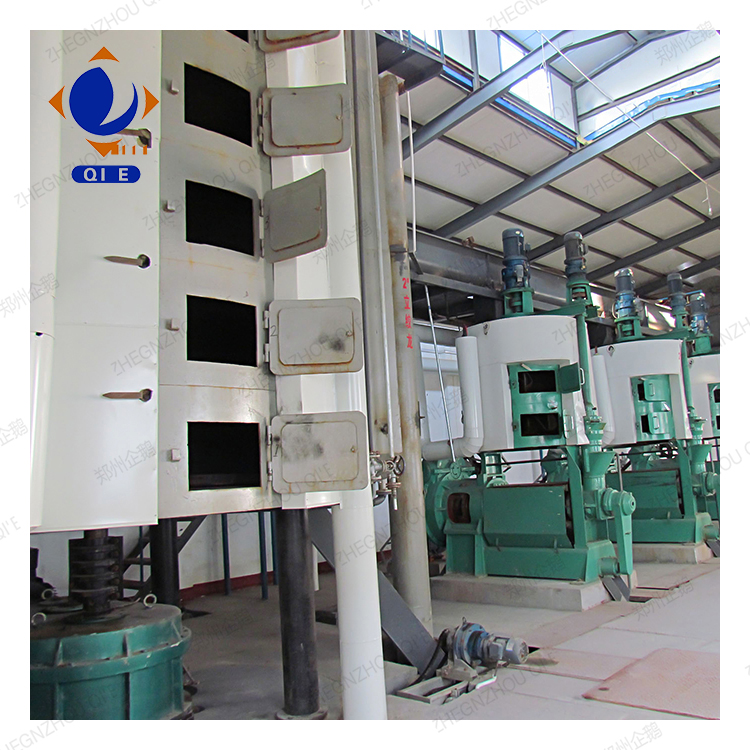
Hot pressing offers a distinct advantage in terms of oil extraction rate and yield. By heating the oilseeds, the cell walls are broken down more effectively, allowing for a higher percentage of oil to be extracted. In some cases, the extraction rate can reach up to 90%, which is significantly higher than cold pressing. This makes hot pressing more suitable for large - scale production, where high efficiency and volume are key priorities.
Nevertheless, the high - temperature process in hot pressing can have a negative impact on the quality of the oil. Some heat - sensitive nutrients may be lost, and the oil may develop an unpleasant odor or taste if the temperature is not properly controlled. Moreover, more refining steps are usually required to remove impurities and improve the color and odor of the oil, which can further reduce the nutrient content.
When it comes to energy consumption, cold pressing is generally more energy - efficient. Since it operates at low temperatures, it consumes approximately 40% less energy compared to hot pressing. This can lead to significant cost savings in the long run, especially for small - and medium - sized enterprises with limited budgets.
In terms of labor costs, cold pressing also has an edge. It requires less manual intervention as the process is relatively simple and does not involve complex heating and temperature control systems. On average, cold pressing can reduce labor costs by about 60% compared to hot pressing.
Regarding equipment maintenance, cold - pressing equipment is generally less prone to wear and tear due to the low - temperature operation. This means lower maintenance costs and longer equipment lifespan, which is an important consideration for small - and medium - sized enterprises looking to optimize their investment.

For small - and medium - sized edible oil enterprises targeting the high - end market, cold pressing is a better choice. It allows them to produce high - quality, nutrient - rich oils that can command premium prices. However, they need to be aware of the lower extraction rate and higher raw material costs.
On the other hand, if the enterprise aims for large - scale production and cost - effectiveness, hot pressing may be more suitable. But they should also pay attention to the potential quality issues and the need for additional refining steps.
Many small - and medium - sized enterprises have successfully implemented these technologies. For example, a small olive oil producer switched to cold pressing and saw a 30% increase in product sales within a year, thanks to the improved quality and nutritional value. Another rapeseed oil company adopted hot pressing for large - scale production and was able to reduce production costs by 25% while maintaining a stable product quality.
A: Generally, cold - pressed oil retains more nutrients, but it also depends on the specific oilseed and production process. Some hot - pressed oils can still be of high quality if the temperature is well - controlled.
A: Some advanced equipment, such as the fully automatic cold - and hot - pressing oilseed press, can be used for both methods. It offers more flexibility for enterprises to switch between different production processes according to their needs.
A: Cold - pressed oil usually has a higher cost due to lower extraction rates and higher raw material requirements. However, it can also fetch a higher price in the market because of its superior quality.
Are you looking to enhance the quality and efficiency of your edible oil production? Discover how our advanced fully automatic cold - and hot - pressing oilseed presses can help you achieve your goals. Optimize your production process and take your business to the next level!


.png?x-oss-process=image/resize,h_100,m_lfit/format,webp)
.png?x-oss-process=image/resize,h_100,m_lfit/format,webp)
.png?x-oss-process=image/resize,h_100,m_lfit/format,webp)