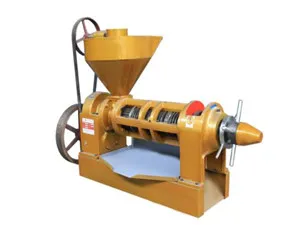
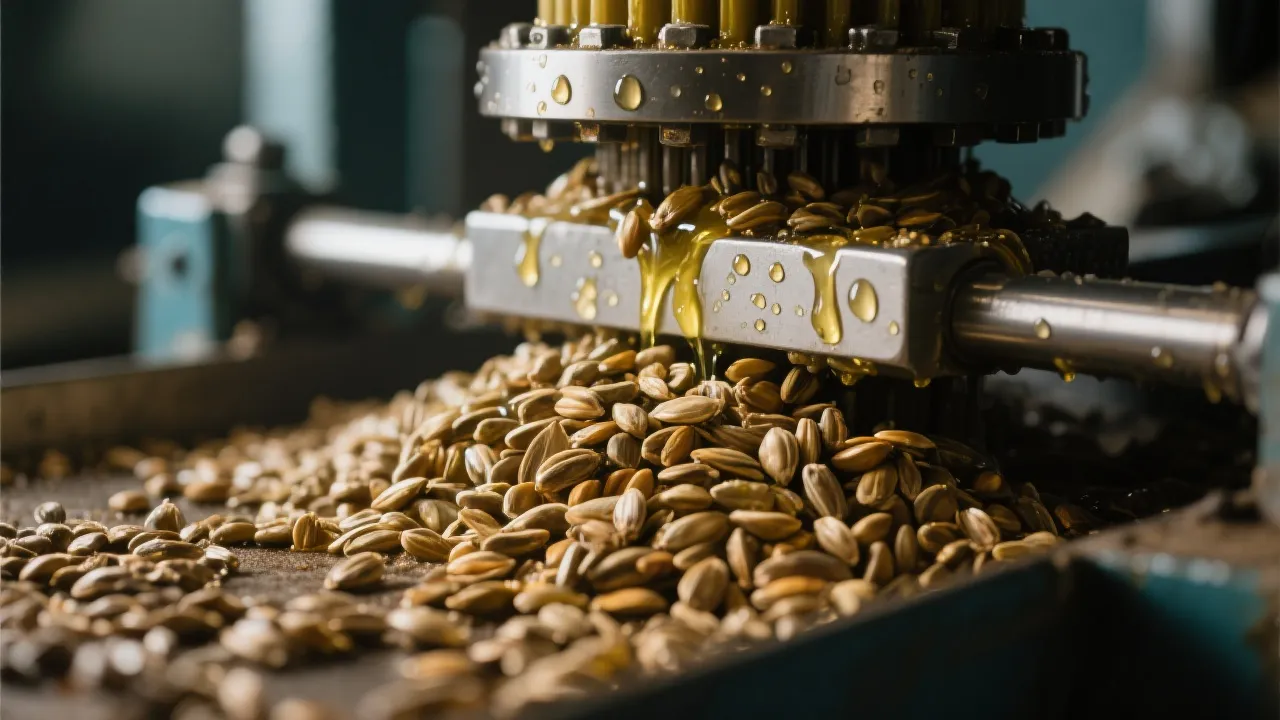
When it comes to oil extraction for small workshops and home use, choosing between cold pressing and hot pressing is a crucial decision. Understanding the molecular - level differences in these two processes can help you make an informed choice. In cold pressing, the oil is extracted at a relatively low temperature, usually below 40°C. This gentle process preserves the natural structure of the oil molecules, keeping the unsaturated fatty acids and nutrients intact. On the other hand, hot pressing involves heating the raw materials to a higher temperature, typically between 100 - 120°C. The heat breaks down the cell walls more effectively but may also cause some chemical changes to the oil molecules.
Let's take a look at the data comparing cold - pressed and hot - pressed oils. In terms of oil yield, hot - pressing generally has an edge. For peanuts, the hot - pressing method can achieve an oil yield of about 40 - 45%, while cold - pressing yields around 35 - 40%. However, when it comes to oil quality, cold - pressed oils are often superior. The acid value of cold - pressed peanut oil is usually less than 0.5mg KOH/g, and the impurity content is less than 0.1%. In contrast, hot - pressed peanut oil may have an acid value of up to 1mg KOH/g and a slightly higher impurity content.
| Parameter | Cold - Pressed | Hot - Pressed |
|---|---|---|
| Oil Yield (Peanuts) | 35 - 40% | 40 - 45% |
| Acid Value (mg KOH/g) | < 0.5 | < 1 |
| Impurity Content | < 0.1% | Slightly higher |
For peanuts, if you prioritize oil quality and want to retain more nutrients, cold - pressing is the way to go. However, if maximizing oil output is your main goal, hot - pressing would be more suitable. With sesame seeds, cold - pressing can preserve the natural fragrance and nutrients, making it ideal for high - end sesame oil production. But if you're running a large - volume small workshop, hot - pressing can increase the production rate.
When choosing an oil press, you need to consider the moisture content and particle size of the raw materials. For peanuts with a moisture content of around 10 - 12%, a medium - speed oil press is usually sufficient. If the moisture content is higher, you may need a machine with better dehydration capabilities. For sesame seeds with smaller particle sizes, a machine with finer filtration systems is recommended to improve oil quality.
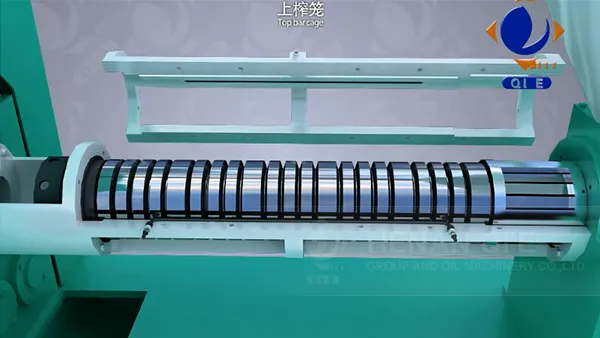
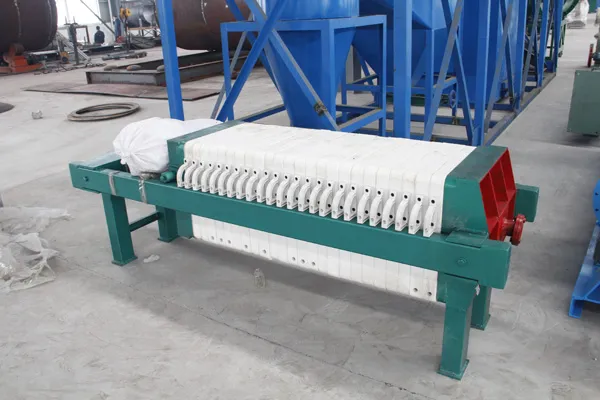
The multi - stage filtration system plays a vital role in improving oil stability and extending the machine's lifespan. Regularly cleaning the filters can prevent clogging and ensure the continuous production of high - quality oil. For example, cleaning the primary filter every 2 - 3 days and the secondary filter every 5 - 7 days can keep your oil press performing at its best.
One common mistake is using a high - speed oil press for all types of raw materials. High - speed presses may generate excessive heat, which is not suitable for cold - pressing. Another mistake is neglecting the pre - treatment of raw materials. For example, not properly drying peanuts can lead to lower oil yield and poor oil quality.
Q: Which is better for health, cold - pressed or hot - pressed oil?
A: Cold - pressed oil generally retains more nutrients and is considered a healthier option as it is extracted at a lower temperature without significant chemical changes.
Q: Can I use the same oil press for peanuts and sesame seeds?
A: In most cases, yes. But you need to adjust the settings according to the characteristics of different raw materials, such as particle size and moisture content.
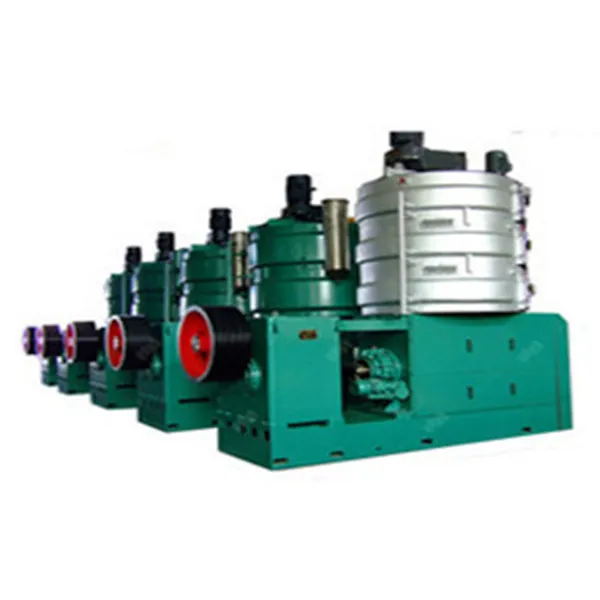
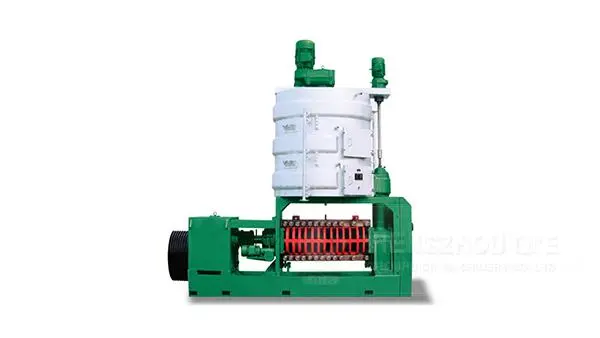
If you're looking for an efficient solution for your small workshop or home oil processing, our oil presses feature one - key control and a 40% power - saving design. It's the perfect choice for you. Explore Our Oil Presses Now
 energy-efficient screw oil press
dual screw axis meshing
high-efficiency oil extraction
cold press hot press technology
eco-friendly oil extraction equipment
energy-saving oil press
intelligent temperature control
rapeseed oil extraction technology
green manufacturing in oil processing
sustainable oil production equipment
fully automatic oil press
cold and hot pressing technology
energy-saving oil press equipment
small medium oil mill solutions
oilseed pressing process
multi-stage oil filtration system
edible oil refining process
oil purification technology
production efficiency in oil processing
energy-efficient oil press machine
cold press oil extraction
hot press oil processing
oilseed expeller machine
edible oil production optimization
efficient oil pressing technology
energy-efficient screw oil press
dual screw axis meshing
high-efficiency oil extraction
cold press hot press technology
eco-friendly oil extraction equipment
energy-saving oil press
intelligent temperature control
rapeseed oil extraction technology
green manufacturing in oil processing
sustainable oil production equipment
fully automatic oil press
cold and hot pressing technology
energy-saving oil press equipment
small medium oil mill solutions
oilseed pressing process
multi-stage oil filtration system
edible oil refining process
oil purification technology
production efficiency in oil processing
energy-efficient oil press machine
cold press oil extraction
hot press oil processing
oilseed expeller machine
edible oil production optimization
efficient oil pressing technology



.jpg?x-oss-process=image/resize,h_800,m_lfit/format,webp)


.png?x-oss-process=image/resize,h_100,m_lfit/format,webp)
.png?x-oss-process=image/resize,h_100,m_lfit/format,webp)
.png?x-oss-process=image/resize,h_100,m_lfit/format,webp)


.jpg?x-oss-process=image/resize,h_800,m_lfit/format,webp)