The cold and hot pressing processes are two primary methods in the edible oil production industry. The cold pressing process strictly controls the temperature during oil extraction, usually below 60°C. This low - temperature mechanism ensures that the oil is released from the raw materials in a relatively gentle way, mainly through physical pressure. In contrast, the hot pressing process involves heating the raw materials to a higher temperature, typically between 100 - 120°C. At this temperature, the cell walls of the raw materials break down more easily, allowing for more efficient oil release.
Cold pressing is well - known for its excellent nutrition retention. Since the low - temperature environment minimizes the damage to nutrients such as vitamins and antioxidants, cold - pressed oils are often considered healthier. However, the oil yield efficiency of cold pressing is relatively low. On average, the cold - pressing process may have an oil yield of around 30 - 35% for common oilseeds. In contrast, the hot pressing process can significantly improve the oil yield, reaching up to 40 - 45% for the same oilseeds, making it a better choice for mass production.
Energy consumption is another crucial factor. Cold pressing generally consumes less energy because it does not require high - temperature heating. According to industry reports, cold - pressing machines may consume about 20 - 30 kWh per ton of raw materials, while hot - pressing machines can consume up to 40 - 50 kWh per ton due to the need for heating.
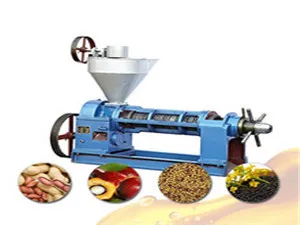
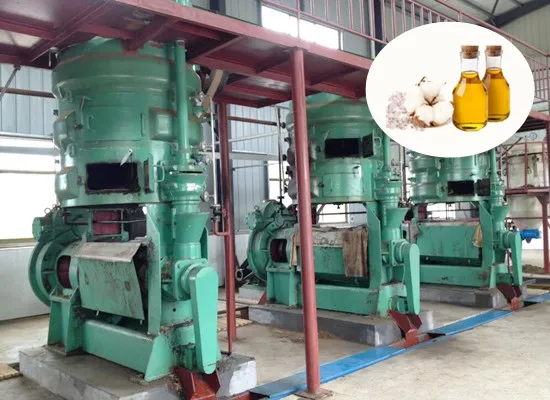
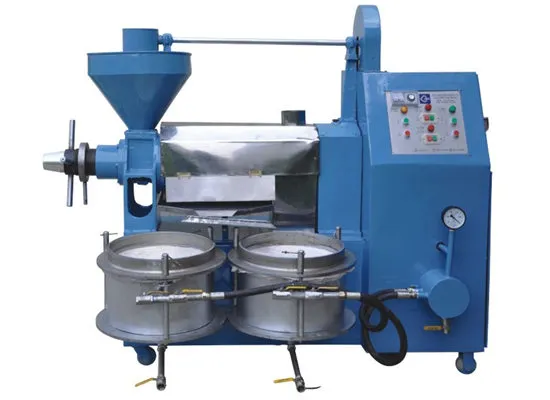
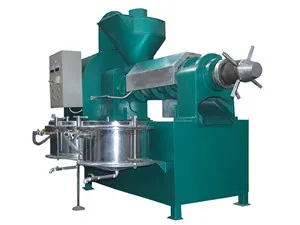
The equipment for cold pressing is relatively simple. It mainly consists of a pressing chamber and a pressure - applying device. On the other hand, hot - pressing equipment is more complex as it needs to have a heating system in addition to the basic pressing components. This also means that the maintenance cost of hot - pressing equipment is usually higher.
For small - batch production of high - end, boutique oils, the cold - pressing process is the ideal choice. These products are often targeted at health - conscious consumers who are willing to pay a premium for the high - quality, nutrient - rich oils. For large - scale commercial oil production, the hot - pressing process is more suitable. It can meet the large - scale market demand with its high oil yield and relatively high production efficiency.

Let's look at some data to further illustrate the differences. In terms of labor input, cold - pressing requires more manual attention due to its lower production speed, with an average of about 2 - 3 labor - hours per ton of raw materials. Hot - pressing, with its higher automation level, only needs about 1 - 2 labor - hours per ton. In terms of power consumption, as mentioned before, cold - pressing saves about 40% of energy compared to hot - pressing.
Q: Is cold - pressed oil more expensive? A: Generally, yes. The lower oil yield and higher production cost of cold - pressing make the final product more expensive. However, the high nutritional value also justifies the price for many consumers.
Q: Does hot - pressing damage the nutrients in the oil? A: To some extent, yes. The high temperature in the hot - pressing process may cause some loss of heat - sensitive nutrients. But for large - scale production, the trade - off between nutrition loss and high oil yield is often considered acceptable.
Our fully automatic cold and hot pressing oil machine offers great flexibility. It can easily switch between cold and hot pressing modes according to different production needs. With advanced energy - saving technology, it can reduce energy consumption by up to 40%, helping small and medium - sized edible oil enterprises optimize their production processes and improve efficiency.


.png?x-oss-process=image/resize,h_100,m_lfit/format,webp)
.png?x-oss-process=image/resize,h_100,m_lfit/format,webp)
.png?x-oss-process=image/resize,h_100,m_lfit/format,webp)