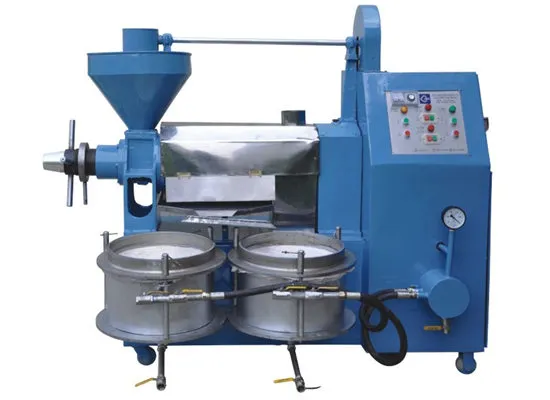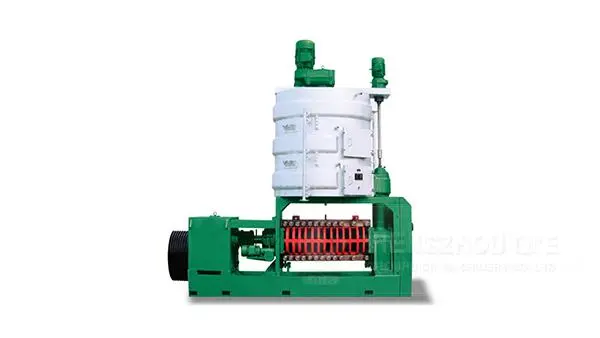
You’re not alone if you’ve ever stood in front of your production line wondering: Should I go cold press or hot press? Whether you're running a small batch custom oil operation or scaling up to medium-volume output, choosing the right extraction method directly impacts your yield, quality, labor costs, and long-term profitability.
| Factor | Cold Press | Hot Press |
|---|---|---|
| Nutrient Retention | High (up to 95% polyphenols retained) | Moderate (some oxidation occurs) |
| Oil Yield (%) | 60–75% | 80–90% |
| Energy Cost per kg | ~$0.12 | ~$0.07 |
| Labor Requirement | Higher (manual handling) | Lower (automated process) |
As shown above, cold pressing preserves more nutrients but requires more energy and manual effort—ideal for premium oils like extra virgin olive or cold-pressed flaxseed. Hot pressing offers higher efficiency and lower operating costs, making it perfect for large-scale vegetable oil production such as sunflower or soybean.
If you're producing under 500 kg/day (like boutique artisanal brands), cold press gives you a clear edge in product differentiation—think organic certification, health claims, and premium pricing. A real-world case from an Indian spice-oil producer shows that switching to cold press increased their profit margin by 18% due to better market positioning—even with slightly lower yields.
For mid-range operations (500–2,000 kg/day), consider a hybrid approach: use cold press for high-value oils and hot press for bulk commodity oils. This flexibility boosts both revenue streams while minimizing waste. One Malaysian palm oil mill reported saving over 40% in energy costs after optimizing their process mix using this strategy.
Q: Can I switch between cold and hot press easily?
A: Yes—if your equipment supports dual-mode operation. Modern oil presses now offer seamless transitions between temperature settings, reducing downtime and increasing versatility.
Q: Is cold press really worth the extra cost?
A: If you target health-conscious consumers or export to EU/US markets, yes. Studies show cold-pressed oils command 20–30% higher prices in premium segments.
Q: What about maintenance?
A: Cold press systems need more frequent cleaning due to residue buildup—but newer models feature self-cleaning functions that reduce labor by up to 60%.
Pro Tip: Don’t just pick one—test both methods with your specific raw materials. Sometimes, even a minor tweak in moisture content can shift which method delivers better results.
Our industrial-grade oil press supports both cold and hot modes—efficient, energy-saving, and easy to maintain. Perfect for growing businesses looking to scale smartly.
Explore Dual-Mode Oil Press Solutions


.png?x-oss-process=image/resize,h_100,m_lfit/format,webp)
.png?x-oss-process=image/resize,h_100,m_lfit/format,webp)
.png?x-oss-process=image/resize,h_100,m_lfit/format,webp)