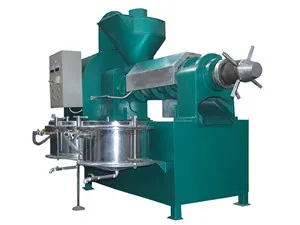
For small and medium-scale edible oil producers, selecting the right extraction method—cold press or hot press—is more than just a technical decision—it’s a strategic one that impacts product quality, energy costs, and long-term profitability.
Both methods start with raw seeds (like soybeans, sunflower, or rapeseed), but they diverge in temperature control. In cold pressing, the temperature stays below 40°C during processing—a gentle approach that preserves natural nutrients like vitamin E and polyphenols. Hot pressing, on the other hand, heats the material to 80–120°C before pressing, which increases oil yield but may degrade heat-sensitive compounds.

| Parameter | Cold Press | Hot Press |
|---|---|---|
| Oil Extraction Rate (%) | 65–72% | 75–85% |
| Vitamin E Retention | High (≥90%) | Moderate (60–75%) |
| Flavor Profile | Mild, natural taste | More robust, sometimes roasted notes |
While hot press systems offer higher throughput—up to 20% faster per hour—they consume about 30% more electricity due to heating requirements. Cold press machines, though slower, require less maintenance and are easier to operate for teams without advanced engineering training. For SMEs aiming for sustainability, this makes cold pressing an attractive option—even if it means slightly lower yields.
“In our case, switching from hot to cold press allowed us to reduce monthly energy bills by 22%, while improving customer satisfaction through cleaner labeling—no added chemicals, just pure pressed oil.” — Maria Lopez, Owner of GreenSeed Oils, Spain
If your target market values premium, organic, or health-focused oils (e.g., EU, North America), cold press is likely the better fit. If you're producing bulk cooking oil for local markets where cost-efficiency matters most, hot press could be optimal—but consider hybrid solutions that allow both modes depending on crop type or season.
A mid-sized producer in Vietnam tested both methods over three months using identical seed batches. They found that cold-pressed oil sold at a 15% premium in export markets, despite a 10% lower yield. The brand story—“Pressed Naturally, Not Heated”—resonated strongly with eco-conscious buyers, leading to repeat orders from Germany and Canada.
Q: Can I switch between cold and hot press on the same machine?
A: Yes—some modern presses support dual-mode operation, allowing flexibility based on input material and market demand.
Q: Is cold-pressed oil more expensive to produce?
A: Slightly—due to longer cycle times and lower yield—but often offset by premium pricing and reduced chemical use.
Q: What’s the typical ROI period for investing in cold press equipment?
A: For a 50 kg/h capacity unit, payback usually occurs within 12–18 months when selling into high-value segments.
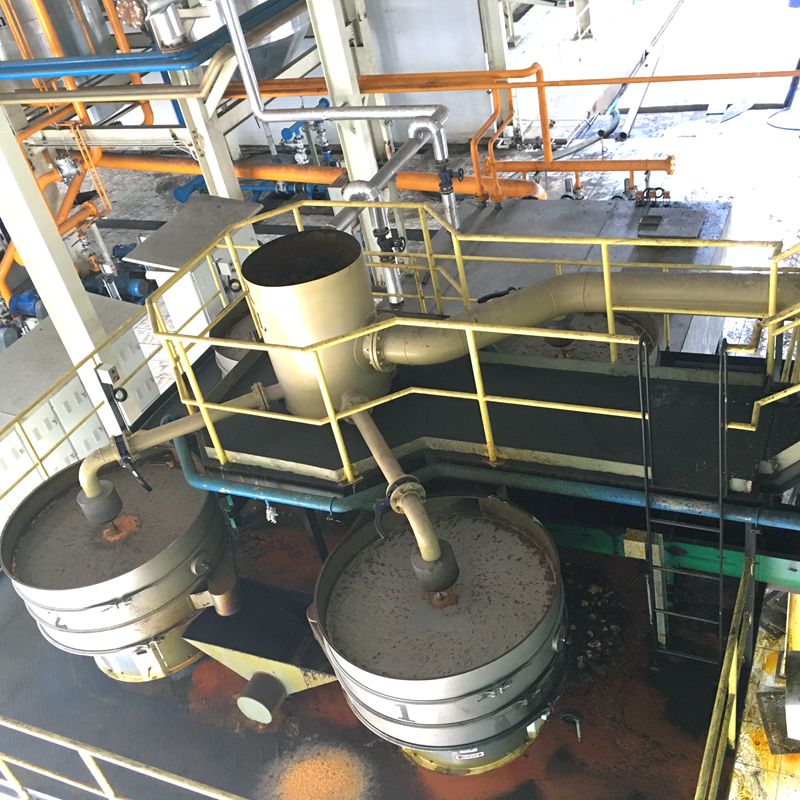
Explore how our modular press system supports both cold and hot press techniques—designed for efficiency, ease of use, and adaptability to your business goals.
See How It Works → Cold pressing technology advantages and disadvantages
Comparison of hot pressing oil extraction processes
Selection of cold and hot oil presses
Analysis of edible oil production processes
Energy - saving solutions for oil presses
segmented retaining frame
vertical cake discharge mechanism
screw oil press stability
cold and hot pressing optimization
efficient oil extraction
fully automated oil press
hot and cold pressing technology
SME oil mill solutions
energy-saving oil extraction
oil yield improvement
cold press oil technology
hot pressing oil extraction
edible oil processing methods
small scale oil press machine
cold hot dual mode oil press
fully automated oil press machine
cold and hot pressing technology
mid-sized edible oil plant solutions
energy-saving oil extraction equipment
multi-stage filtration system
Cold pressing technology advantages and disadvantages
Comparison of hot pressing oil extraction processes
Selection of cold and hot oil presses
Analysis of edible oil production processes
Energy - saving solutions for oil presses
segmented retaining frame
vertical cake discharge mechanism
screw oil press stability
cold and hot pressing optimization
efficient oil extraction
fully automated oil press
hot and cold pressing technology
SME oil mill solutions
energy-saving oil extraction
oil yield improvement
cold press oil technology
hot pressing oil extraction
edible oil processing methods
small scale oil press machine
cold hot dual mode oil press
fully automated oil press machine
cold and hot pressing technology
mid-sized edible oil plant solutions
energy-saving oil extraction equipment
multi-stage filtration system

.jpg?x-oss-process=image/resize,h_800,m_lfit/format,webp)


.png?x-oss-process=image/resize,h_100,m_lfit/format,webp)
.png?x-oss-process=image/resize,h_100,m_lfit/format,webp)
.png?x-oss-process=image/resize,h_100,m_lfit/format,webp)