.jpg?x-oss-process=image/resize,h_3000,m_lfit/format,webp)
For family-run oil workshops and small rural processing units, space is often the biggest bottleneck—not just in terms of physical footprint, but also operational efficiency. A typical 10m² workshop may struggle to fit traditional oil presses, let alone support multiple production cycles per day. That’s where modular design meets real-world need.
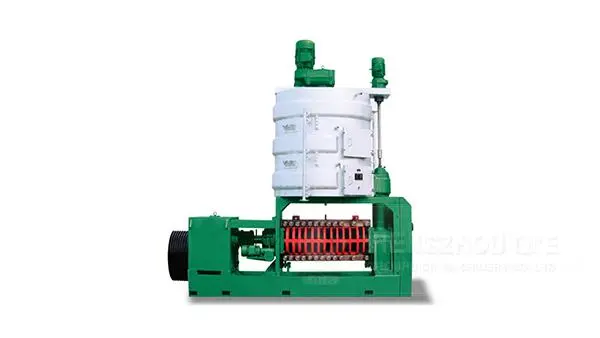
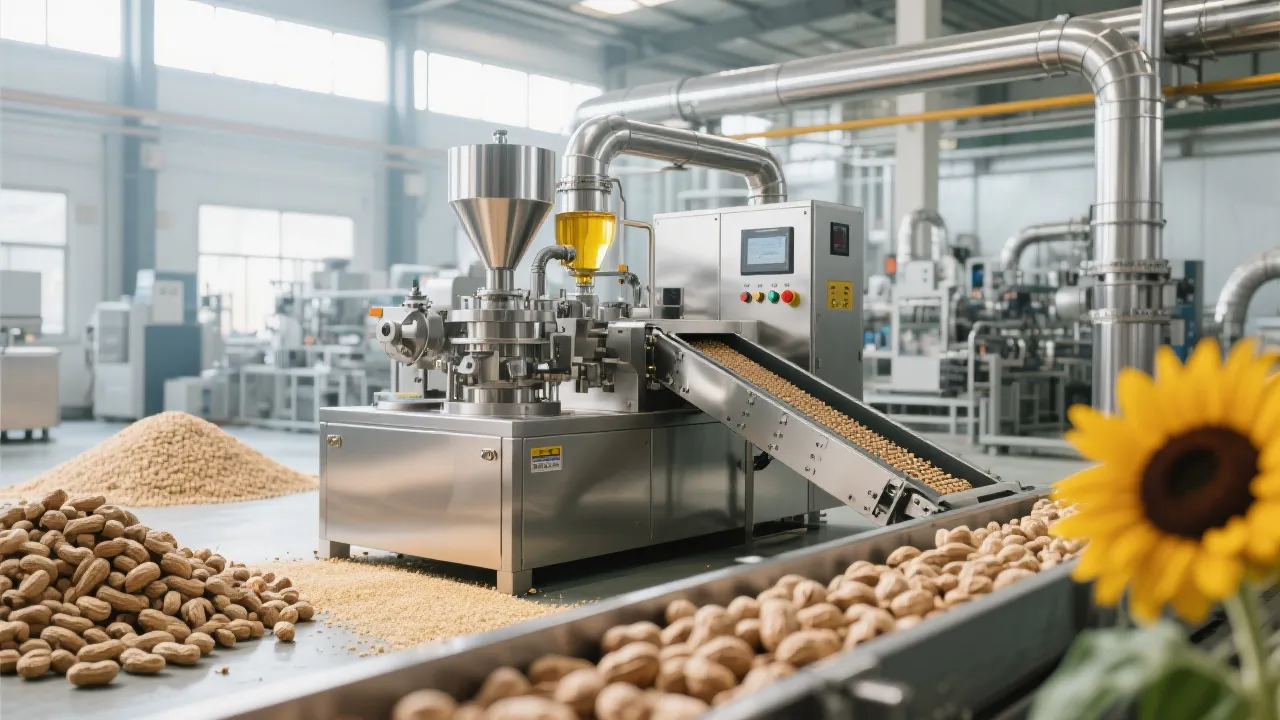
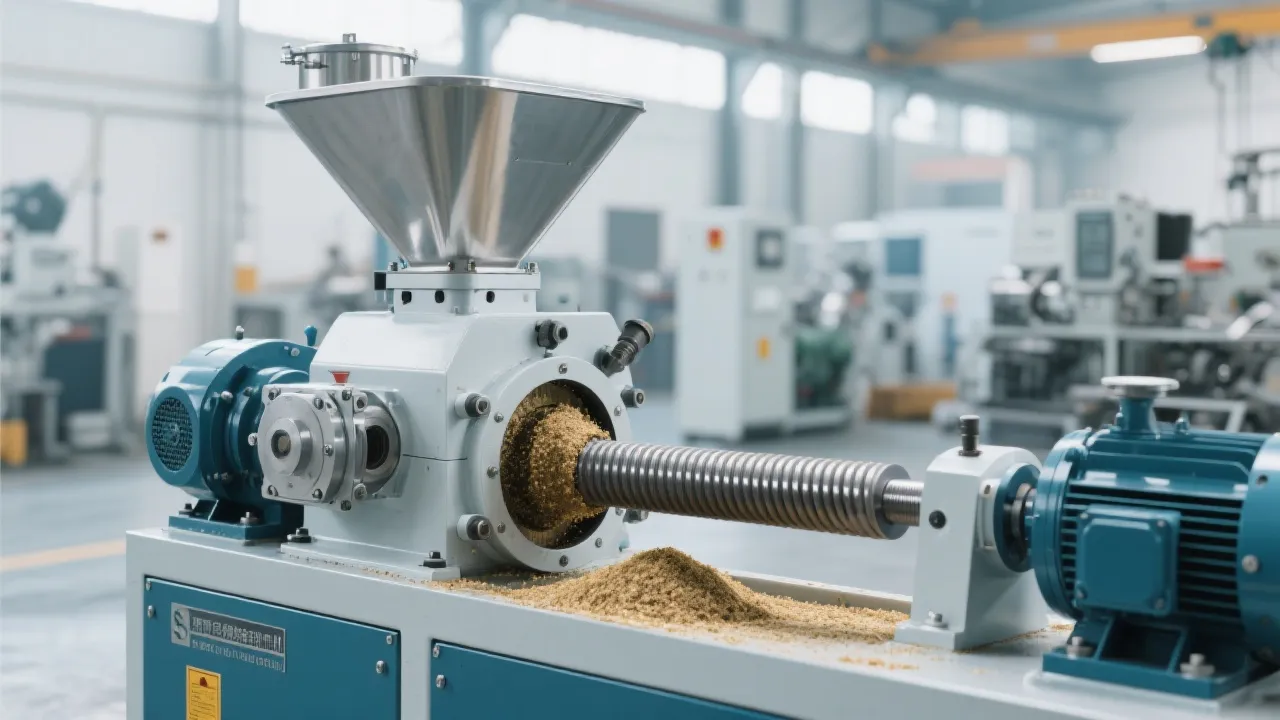
Unlike fixed-frame machines that require full-site construction or crane lifting, our compact oil press features a modular structure with three main components: heating unit, pressing chamber, and control panel—all designed for manual assembly on-site. This reduces installation time from 3–5 days to under 8 hours, even for non-technical staff. In one case study from Gujarat, India, a family mill converted their 8m² shed into a fully functional 24-hour operation by reconfiguring the modules like Lego blocks—no structural changes needed.
.jpg)
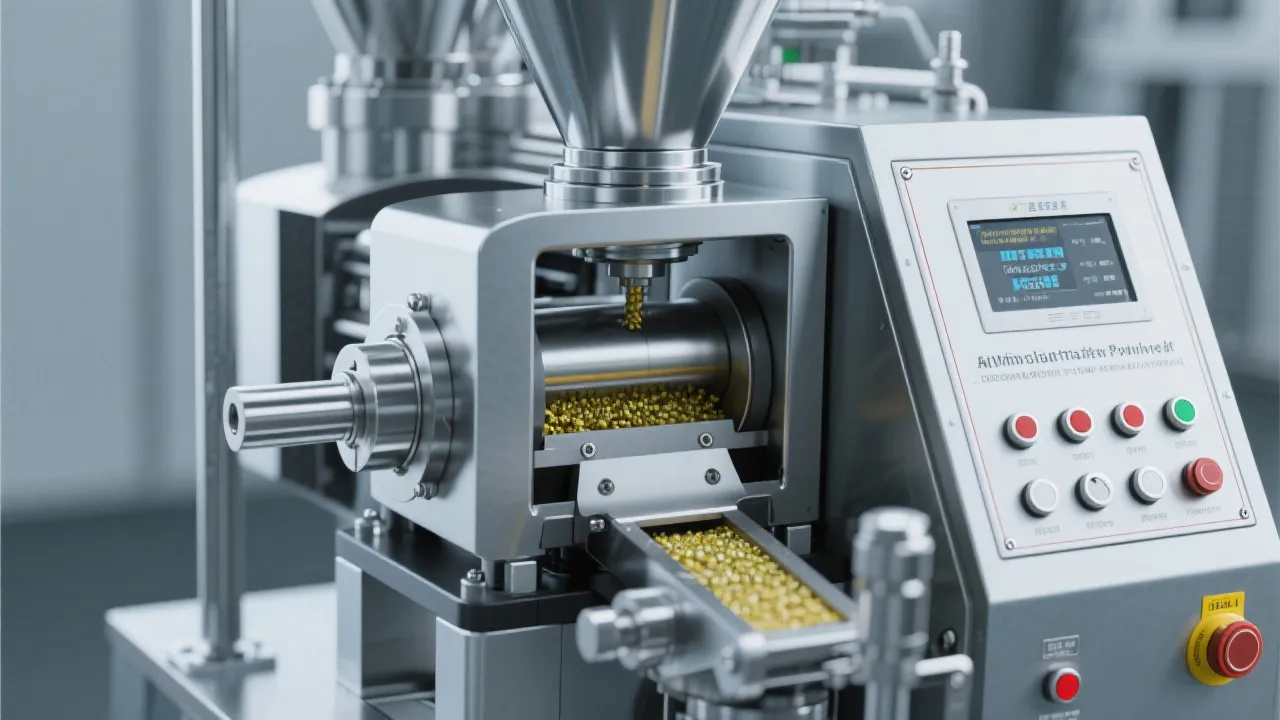
The built-in digital interface allows users to set temperature, pressure, and timing parameters without leaving the machine. No external controllers or bulky wiring required. One user in Nigeria reported saving 30% more workspace compared to older models—enough to add a storage rack for raw materials. The intuitive touchscreen also cuts training time by up to 60%, making it ideal for multi-generational family operations.
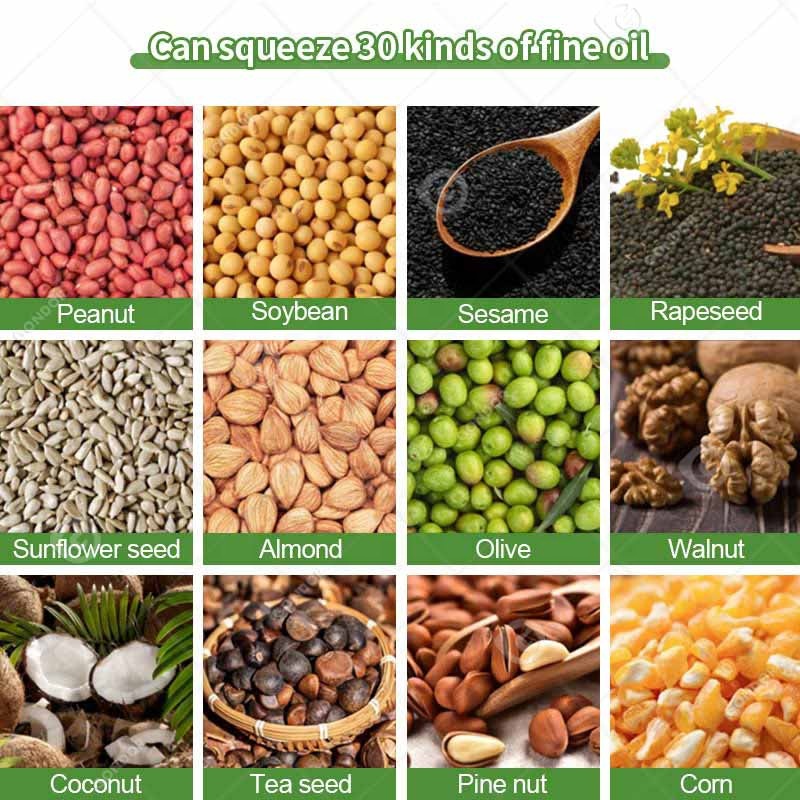
Our test data shows consistent performance across three common oilseeds:
Switching between them takes less than 15 minutes—no cleaning, no recalibration. For farmers who grow multiple crops seasonally, this means higher ROI without investing in separate equipment.
Independent lab tests confirm a 40% reduction in electricity consumption versus conventional hydraulic presses—equivalent to ~$120/year savings per unit at average power rates. Combined with minimal maintenance (only 30-minute checks weekly), this makes the system not only eco-friendly but financially smart for micro-enterprises.
You might be wondering: “Is my oil shop too small for modern upgrades?” If you’re still using manual presses or outdated electric models, the answer is likely yes—but it doesn’t have to stay that way. This isn’t just about space—it’s about future-proofing your business.
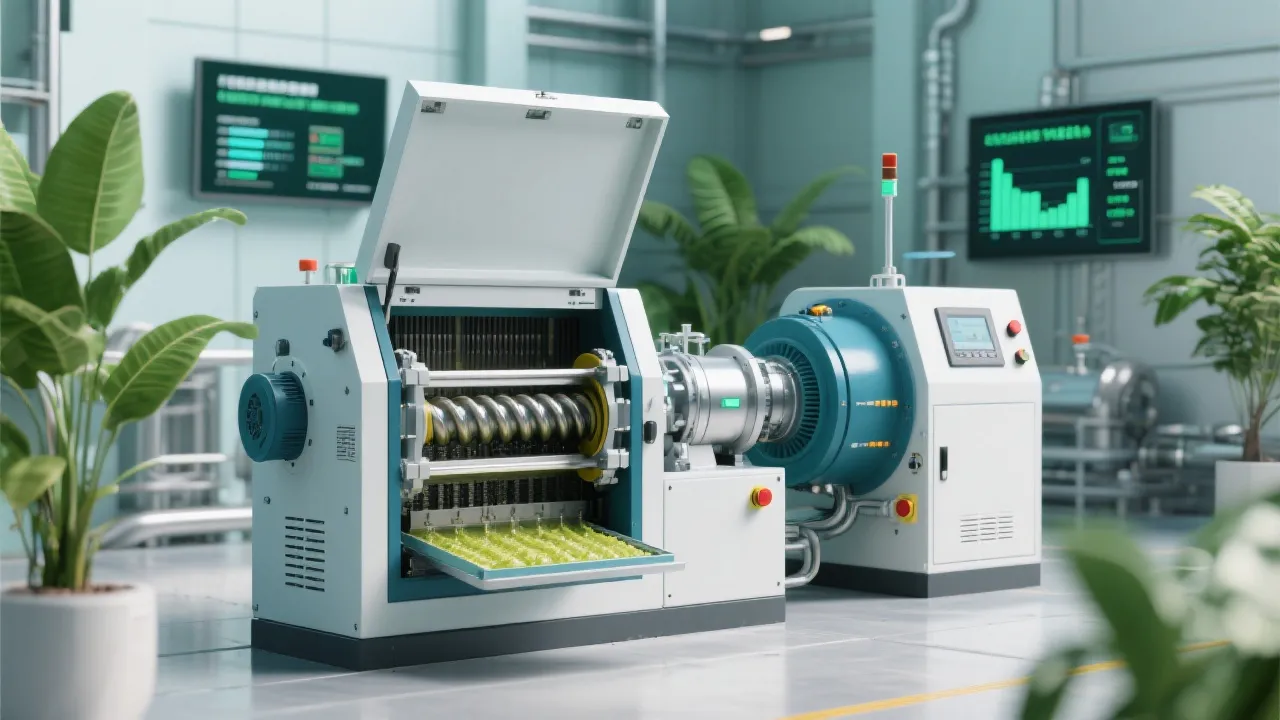
 double screw press oil machine
self-cleaning oil press
energy-efficient oil extraction
screw press maintenance
oil press longevity
cold pressing advantages
hot pressing oil extraction
edible oil production techniques
oil yield optimization
automated oil pressing machines
screw oil press maintenance
segmented cage design
vertical cake discharge
oil press efficiency
industrial oil extraction optimization
energy-efficient screw oil press
dual spiral shaft technology
oil extraction efficiency
green oil processing
cold press hot press oilseed processing
Cold pressing technology advantages and disadvantages
Hot pressing oil extraction process comparison
Edible oil production process
Oilseed expeller
Energy - saving oil extraction equipment
double screw press oil machine
self-cleaning oil press
energy-efficient oil extraction
screw press maintenance
oil press longevity
cold pressing advantages
hot pressing oil extraction
edible oil production techniques
oil yield optimization
automated oil pressing machines
screw oil press maintenance
segmented cage design
vertical cake discharge
oil press efficiency
industrial oil extraction optimization
energy-efficient screw oil press
dual spiral shaft technology
oil extraction efficiency
green oil processing
cold press hot press oilseed processing
Cold pressing technology advantages and disadvantages
Hot pressing oil extraction process comparison
Edible oil production process
Oilseed expeller
Energy - saving oil extraction equipment




.png?x-oss-process=image/resize,h_100,m_lfit/format,webp)
.png?x-oss-process=image/resize,h_100,m_lfit/format,webp)
.png?x-oss-process=image/resize,h_100,m_lfit/format,webp)