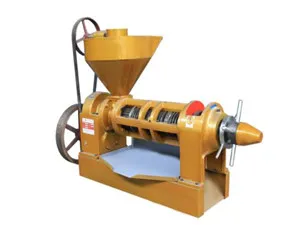
Small-scale oil production facilities often face a critical challenge: limited floor space coupled with the need to process various oil seeds efficiently. Enter the compact oil press machine — a game-changer engineered to optimize space usage while delivering high operational flexibility. This article explores how compact oil press machines enable smooth switching between multiple oil seeds such as peanuts, sesame, and sunflower seeds, supporting small oil mills to boost their production capabilities and stay competitive.
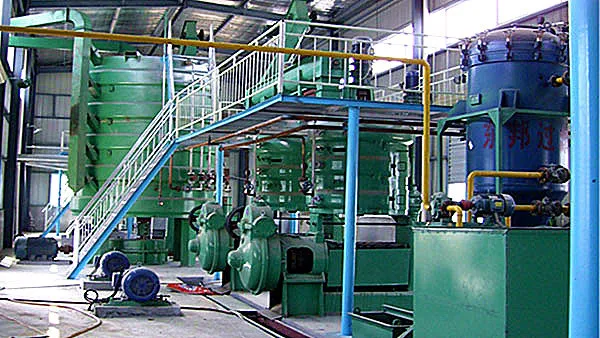
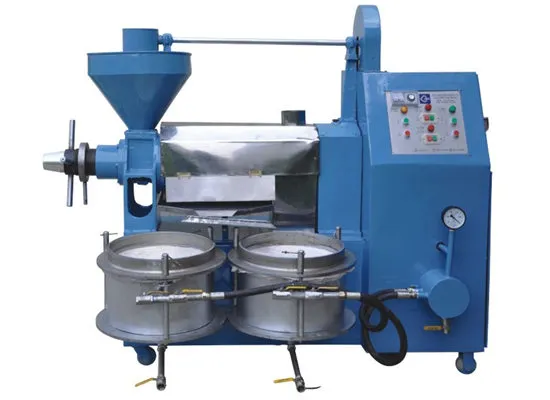
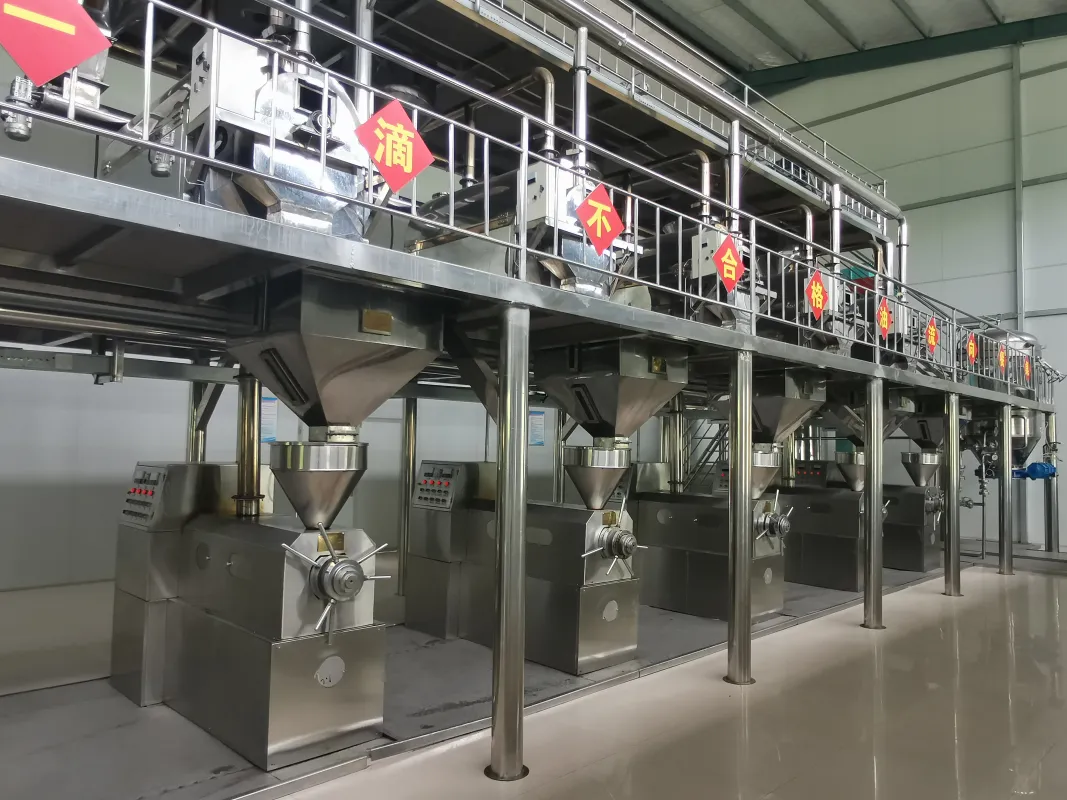
The cornerstone of compact oil press machines lies in their carefully engineered modular structure and integrated control panels. These systems are designed to fit seamlessly into oil processing workshops where space is at a premium, typically occupying 30–50% less footprint compared to traditional machines. By integrating modular components, operators can swiftly adjust or replace parts tailored to different oil seeds without requiring extensive reconfiguration.
For example, a compact oil press configured for peanuts can switch to sesame seed pressing by swapping relevant modules and adjusting pressure settings through an intuitive one-touch control interface — minimizing downtime and eliminating the need for multiple dedicated machines. This adaptability can increase plant throughput by up to 20% during multi-seed production cycles.
Handling different seeds such as peanuts, sesame, and sunflower in a single compact setup requires precise engineering. These seeds vary in oil content, moisture, and texture—a compact oil press machine addresses this by offering adjustable extrusion pressures and heating controls optimized for each seed type. Laboratory and on-site testing confirm oil extraction efficiency rates up to 85% for all three seeds under recommended settings.
Moreover, compact oil press machines typically support rapid cleaning protocols, allowing users to switch between oil seeds without cross-contamination risks. This flexibility significantly lowers operating costs and reduces inventory investment needed for multiple machines.
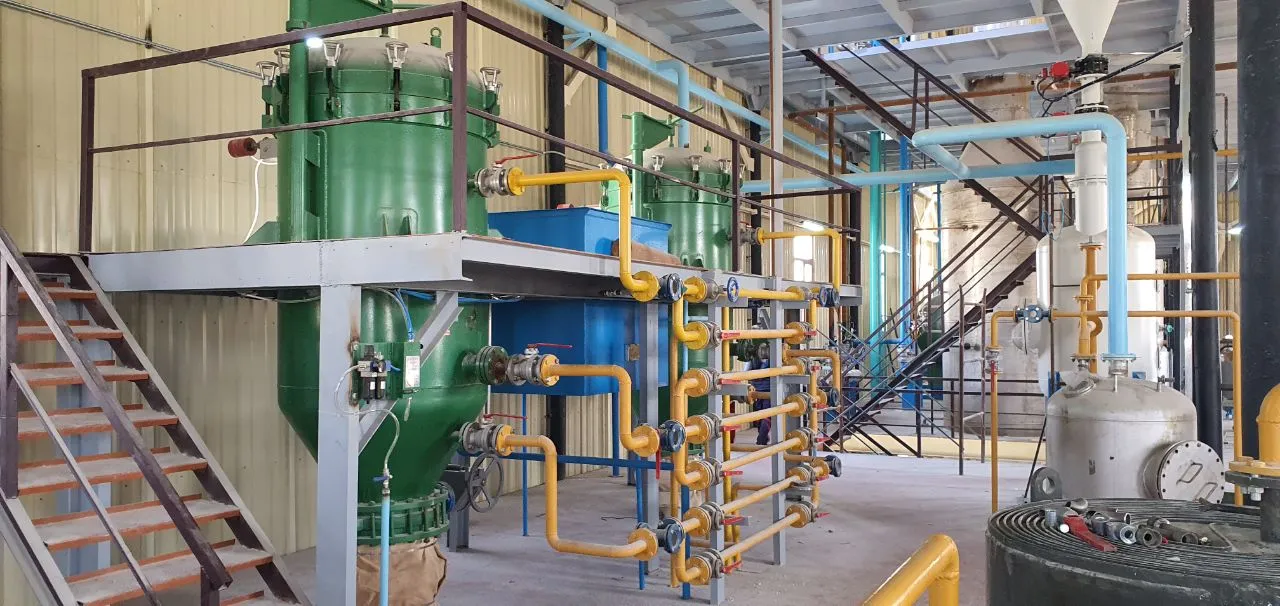
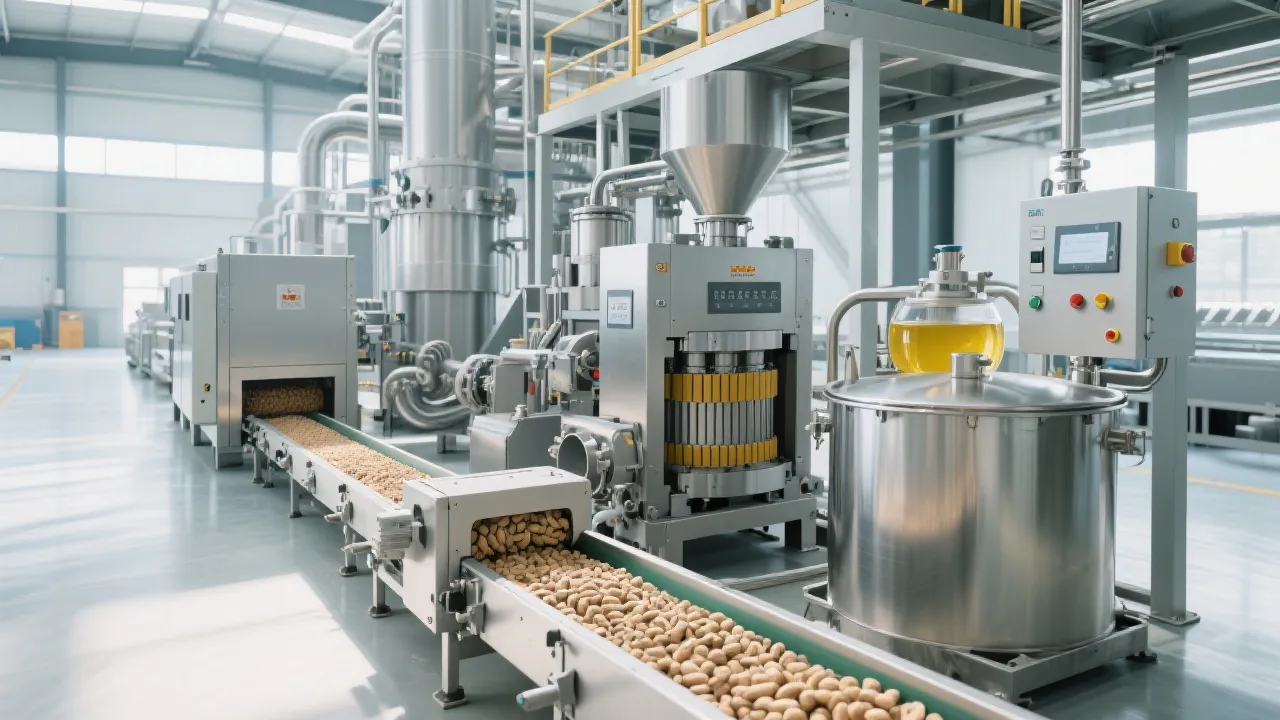
Beyond the machine itself, efficient configuration of supporting elements like storage bins, feeding hoppers, and oil collection systems can dramatically influence throughput. In constrained environments, spatial layout optimization translates into an average operational efficiency gain of 15-25%.
For instance, positioning raw material storage close to the feeding inlet reduces manual handling time, while integrated oil drainage systems with automated collection vessels prevent spillages and maintain hygienic processing conditions. Mapping out production flows to minimize worker movement creates a lean process with tangible cost and time savings.
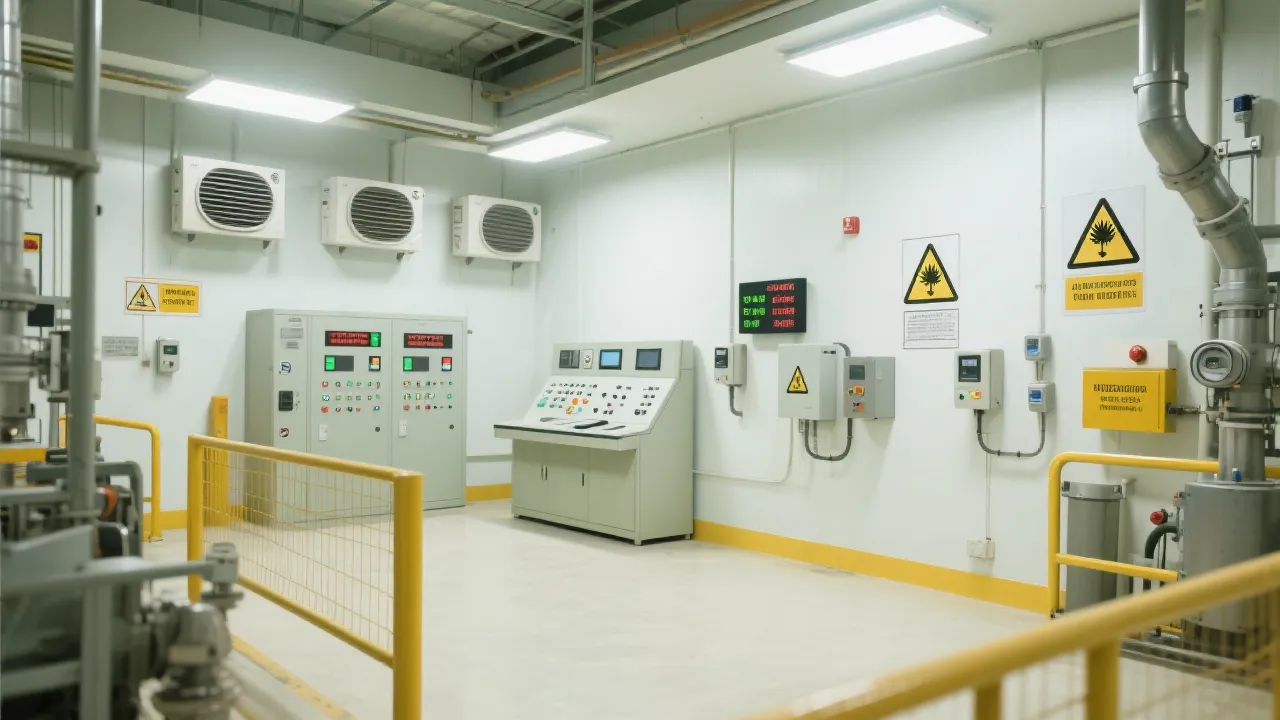
The integration of centralized, one-touch control panels in compact oil presses simplifies operation for users who may lack advanced technical training. Automated presets tailored for each oil seed type reduce human error and speed up production changeovers. Real-time monitoring of temperature, pressure, and mechanical components alerts operators to optimize processing parameters continuously.
In addition, remote troubleshooting and software updates are becoming increasingly available via IoT-enabled systems, further enhancing equipment uptime and reducing maintenance costs.
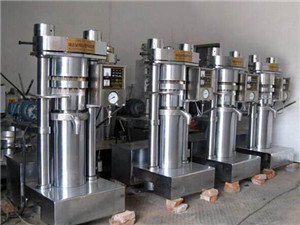
Small-scale processors must balance investment with operational flexibility. By enabling multiple oil seed processing in a single compact unit, these machines reduce capital expenditure on separate presses by up to 40%. The associated savings extend to lower energy consumption and simplified maintenance schedules, directly impacting the bottom line.
This versatility empowers small oil mills to expand product portfolios based on market demand without exorbitant investment, fostering resilience and agility in dynamic agricultural markets.
.jpg)
 Energy - saving screw oil press
Double - screw shaft meshing technology
Efficient oil extraction
Cold - pressing and hot - pressing processes
Equipment maintenance guide
spiral oil press machine
wear-resistant materials
equipment durability
maintenance frequency reduction
equipment maintenance tips
Screw oil press wear-resistant materials
Maintenance of oil press vulnerable parts
High - efficiency oil extraction equipment
Applications in hot and cold pressing processes
Oil press maintenance tips
Energy-efficient screw oil press
Double-screw shaft pressing technology
High-efficiency oil extraction
Cold and hot pressing process adaptation
Overseas after-sales service
automatic oil press machine
cold and hot press oil extraction
small oil mill equipment
energy-efficient oil processing
oil seed pressing technology
Energy - saving screw oil press
Double - screw shaft meshing technology
Efficient oil extraction
Cold - pressing and hot - pressing processes
Equipment maintenance guide
spiral oil press machine
wear-resistant materials
equipment durability
maintenance frequency reduction
equipment maintenance tips
Screw oil press wear-resistant materials
Maintenance of oil press vulnerable parts
High - efficiency oil extraction equipment
Applications in hot and cold pressing processes
Oil press maintenance tips
Energy-efficient screw oil press
Double-screw shaft pressing technology
High-efficiency oil extraction
Cold and hot pressing process adaptation
Overseas after-sales service
automatic oil press machine
cold and hot press oil extraction
small oil mill equipment
energy-efficient oil processing
oil seed pressing technology





.png?x-oss-process=image/resize,h_100,m_lfit/format,webp)
.png?x-oss-process=image/resize,h_100,m_lfit/format,webp)
.png?x-oss-process=image/resize,h_100,m_lfit/format,webp)