Cold pressing oil is a meticulous process that offers numerous advantages, especially in terms of preserving the nutritional components of the oil. This article, brought to you by Penguin Group, will provide a comprehensive guide to the full process of cold pressing oil, with a focus on multi - seed oils such as those from nuts, beans, and oilseeds.
The first stage of cold pressing oil is raw material processing, which involves cleaning, screening, and crushing. Cleaning removes dirt, debris, and other impurities from the seeds. Screening ensures that only high - quality seeds are selected, which is crucial for the quality of the final product. For instance, in a well - managed oil - pressing factory, they typically aim for a purity of over 95% after the screening process. Crushing the seeds increases the surface area, making it easier to extract the oil later. 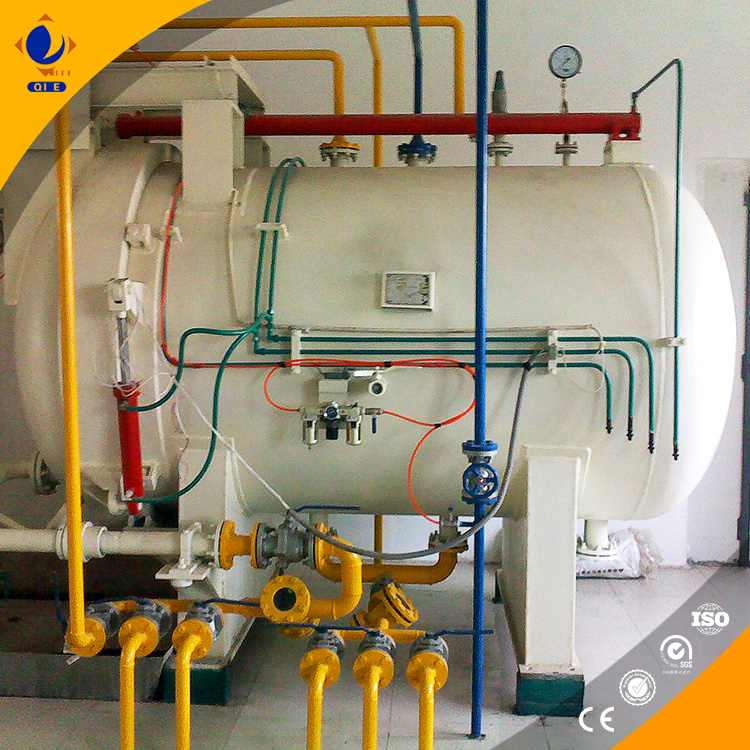
Steaming and stir - frying are essential steps in cold pressing oil. One of the core features of cold pressing is the low - temperature operation. The scientific value of low - temperature processing lies in its ability to retain the nutrients in the oil, such as vitamins and antioxidants. Ideally, the temperature during this stage should be controlled between 40 - 60 degrees Celsius. Maintaining this temperature range helps to prevent the oil from oxidizing and losing its beneficial properties.
During the pressing process, two primary parameters, pressure and temperature, need to be carefully adjusted. The pressure should be gradually increased to ensure efficient oil extraction without damaging the nutritional value of the oil. A pressure of around 20 - 30 MPa is commonly used for most multi - seed oils. Meanwhile, keeping the temperature low is still a priority. Heat generation during pressing can be controlled through external cooling systems or by adjusting the speed of the press. 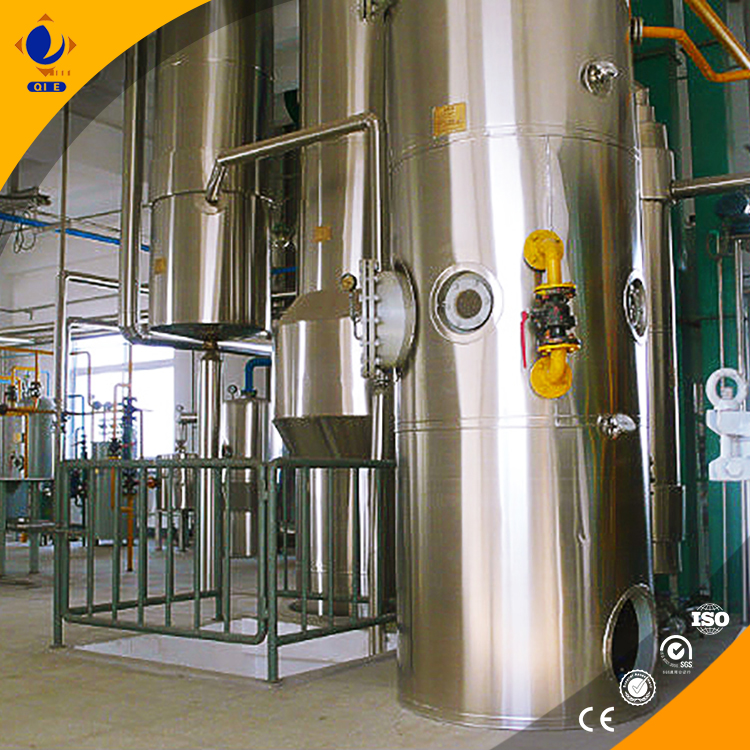
After pressing, the crude oil needs to go through a filtration and degumming process. Filtration removes any solid particles, while degumming eliminates phospholipids and other impurities that can affect the clarity and stability of the oil. As for filtration, using appropriate filter cloth can significantly improve the quality of the oil. The replacement frequency of the filter cloth usually depends on the production volume, but it is generally recommended to replace it every 8 - 12 hours for continuous production to ensure efficient filtration.
Proper storage is crucial for maintaining the quality of cold - pressed oil. The finished oil should be stored in a cool, dark place, away from light and heat sources. The storage temperature should be below 20 degrees Celsius to slow down the oxidation process. Additionally, using airtight containers can prevent the oil from coming into contact with oxygen, which helps to extend its shelf life.
Throughout the whole process, there may be some common problems. For example, if the oil has a cloudy appearance, it may be due to improper filtration. By referring to real - world cases and industry experts' advice (see the quote box below), operators can quickly troubleshoot and optimize the process.
"In cold pressing oil, attention to detail is the key to success. Each step, from raw material selection to storage, has a significant impact on the final oil quality." - Industry Expert
Whether you are a beginner or an experienced professional in the oil - pressing industry, this guide provides detailed information for both getting started and optimizing your processes. It helps to improve the consistency of product quality and production efficiency.
Welcome to download the full operation manual at CTA - URL to get in - depth knowledge about cold pressing oil technology. Also, join our technical exchange group to obtain customized solutions and grow your cold - pressed oil business with Penguin Group!
 peanut sesame oil press selection
efficient oil press equipment
physical pressing technology
home oil extraction solution
how to judge oil press efficiency
Physical pressing
Additive-free soybean oil
Food-grade oil
Screw pressing technology
Vegetable oil processing
compact oil press machine
multi-seed oil extraction
small space oil mill
modular oil processing equipment
flexible oilseed compatibility
Cold
pressing
oil
machine
selection
guide
Small
oil
pressing
plant
equipment
selection
Oil
machine
energy
consumption
comparison
Cold
pressing
technical
parameters
Peanut
rapeseed
and
sesame
oil
pressing
process
cold and hot press oil extractor
medium scale oil press machine
energy efficient oil extraction equipment
edible oil production line
automatic oil press for small factories
peanut sesame oil press selection
efficient oil press equipment
physical pressing technology
home oil extraction solution
how to judge oil press efficiency
Physical pressing
Additive-free soybean oil
Food-grade oil
Screw pressing technology
Vegetable oil processing
compact oil press machine
multi-seed oil extraction
small space oil mill
modular oil processing equipment
flexible oilseed compatibility
Cold
pressing
oil
machine
selection
guide
Small
oil
pressing
plant
equipment
selection
Oil
machine
energy
consumption
comparison
Cold
pressing
technical
parameters
Peanut
rapeseed
and
sesame
oil
pressing
process
cold and hot press oil extractor
medium scale oil press machine
energy efficient oil extraction equipment
edible oil production line
automatic oil press for small factories
.jpg?x-oss-process=image/resize,h_800,m_lfit/format,webp)


.jpg?x-oss-process=image/resize,h_800,m_lfit/format,webp)



.png?x-oss-process=image/resize,h_100,m_lfit/format,webp)
.png?x-oss-process=image/resize,h_100,m_lfit/format,webp)
.png?x-oss-process=image/resize,h_100,m_lfit/format,webp)