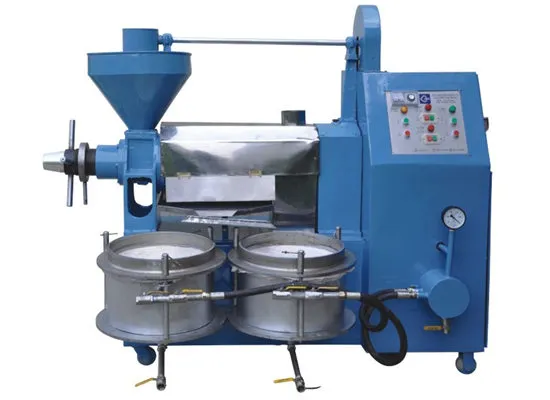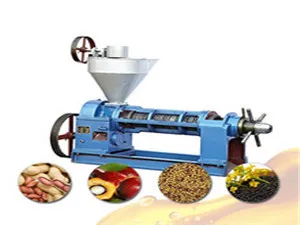
For small oil mills, choosing the right cold press oil press is crucial for achieving high - efficiency production and cost - effective operations. This article, from the perspective of Penguin Group, delves into the core technical parameters of cold press oil presses, aiming to provide a scientific and practical selection guide for small oil mills in the start - up or upgrading phase.
The performance of a cold press oil press is significantly influenced by several key technical parameters, including motor power, screw barrel rotation speed, oil yield stability, and energy consumption level.
Motor power is a fundamental factor. Generally, a higher motor power can provide stronger driving force, ensuring the oil press can handle various raw materials efficiently. For example, a cold press oil press with a motor power of 5 - 7.5 kW can process about 200 - 300 kg of raw materials per hour, while a 10 - 15 kW motor power can increase the processing capacity to 500 - 800 kg per hour. However, higher power also means higher energy consumption. Therefore, small oil mills need to balance power and energy consumption according to their production scale.
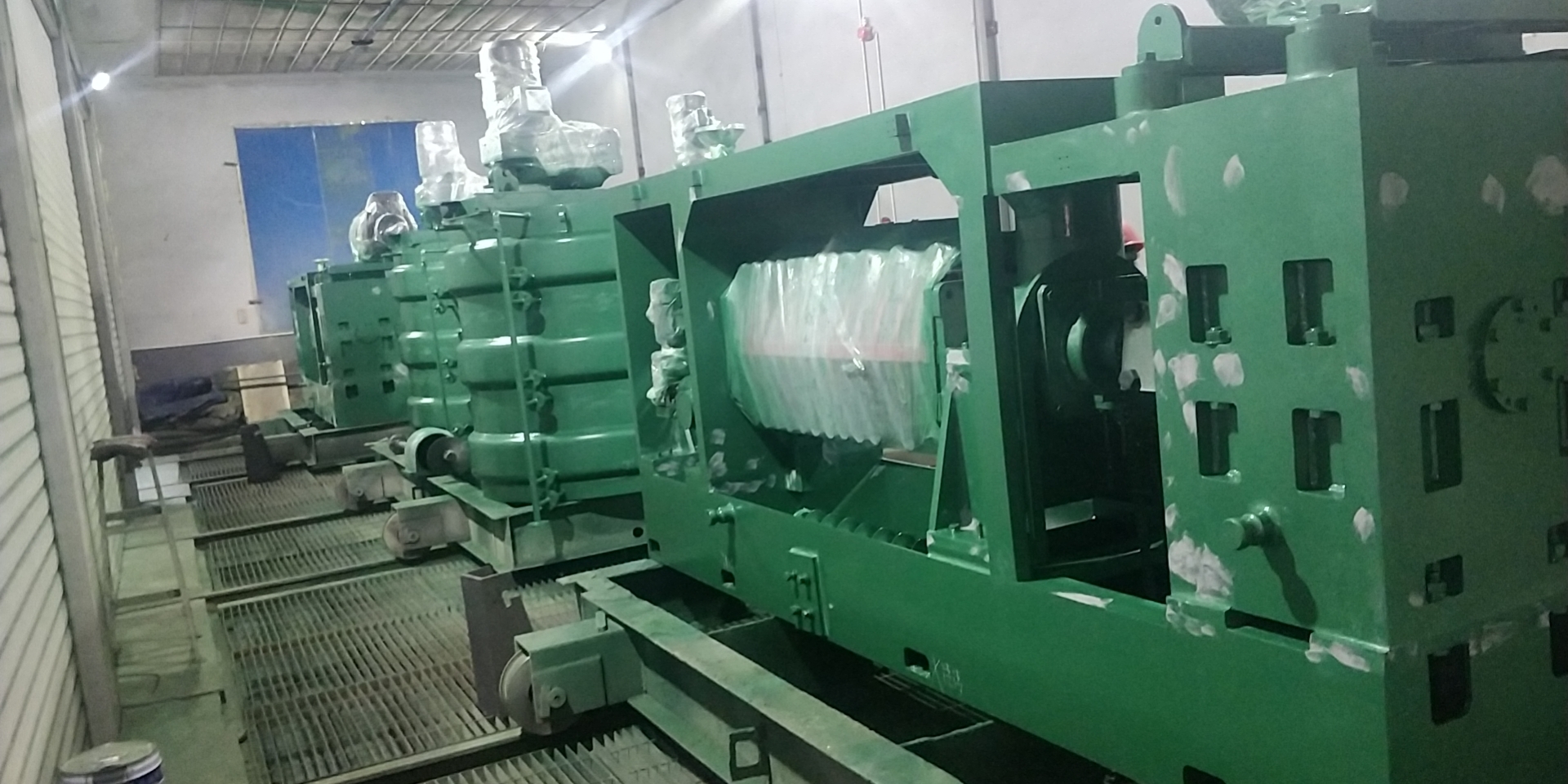
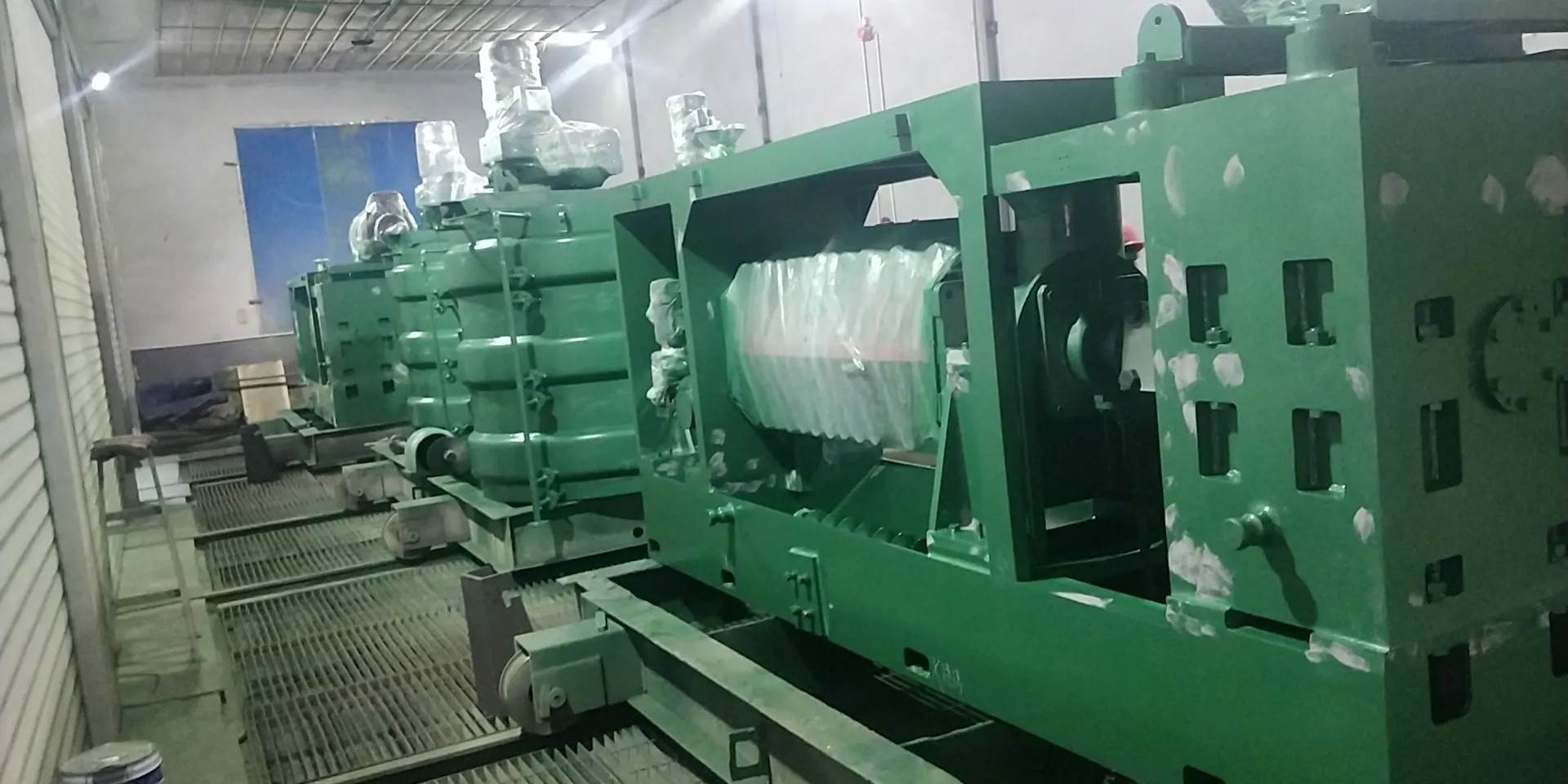
The screw barrel rotation speed also has a direct impact on the oil yield and energy consumption. A moderate rotation speed can ensure that the raw materials are fully squeezed, improving the oil yield. When the rotation speed is too fast, the raw materials may not be squeezed thoroughly, resulting in a lower oil yield. Conversely, if the rotation speed is too slow, the production efficiency will be reduced. Usually, the optimal rotation speed for cold press oil presses is between 20 - 30 revolutions per minute.
Energy consumption is an important consideration for small oil mills. Different models of cold press oil presses have different energy consumption levels. Through data analysis, we can see that some energy - efficient models can save about 15% - 20% of energy compared to traditional models. For example, Model A consumes 0.8 kWh per 100 kg of raw materials processed, while Model B only consumes 0.65 kWh under the same conditions.
| Model | Energy Consumption per 100 kg (kWh) |
|---|---|
| Model A | 0.8 |
| Model B | 0.65 |
Different raw materials such as peanuts, rapeseeds, and sesame seeds require specific pressing processes. For peanuts, pre - heating the raw materials to about 60 - 70°C can significantly improve the oil yield. When processing rapeseeds, adjusting the moisture content to about 8% - 10% is crucial for achieving a high oil yield. For sesame seeds, a two - stage pressing process can be adopted to ensure a more complete oil extraction.
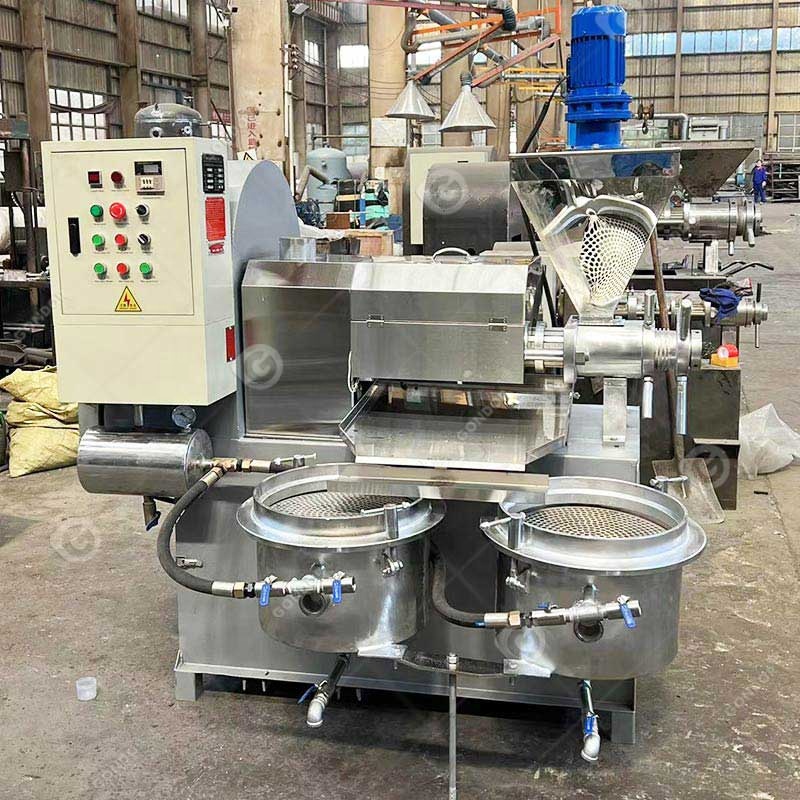
Let's take a small oil mill in Shandong as an example. After adopting the optimized pressing process for peanuts, the oil yield increased from 40% to 45%, and the energy consumption per unit of oil production decreased by 12%. This shows that the correct matching of the pressing process and equipment can bring significant economic benefits.
To improve the oil yield, regular maintenance of the oil press is essential. Cleaning the screw barrel and filter screen regularly can ensure smooth oil flow and prevent blockages. In addition, using high - quality raw materials and strictly controlling the pressing process parameters can also improve the oil yield.
To extend the equipment life, it is necessary to operate the oil press in accordance with the instructions, avoid overloading, and carry out regular lubrication and inspection of key components. For example, lubricating the bearings every 50 - 100 hours of operation can reduce wear and tear and extend the service life of the equipment.
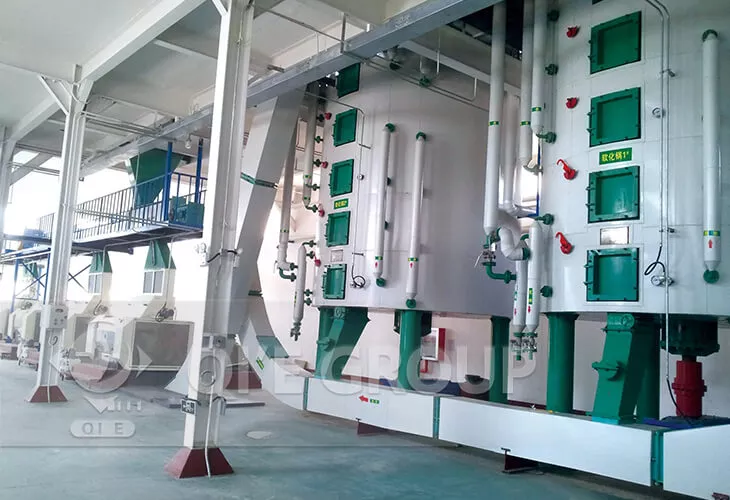
In conclusion, choosing the right cold press oil press and matching it with the appropriate pressing process can help small oil mills achieve high - efficiency production, energy conservation, and cost - reduction. Penguin Group's cold press oil presses, with their excellent energy - saving performance and high oil yield, are the ideal choice for small oil mills. If you are looking for a reliable cold press oil press for your small oil mill, click here to learn more about our products and solutions.
 spiral oil press installation
oil press civil construction
electrical wiring standards
oil press trial run
equipment commissioning support
oil press installation and debugging
civil engineering cooperation requirements
electrical wiring specifications
screw oil press after - sales support
oil press test - run process
Fully automated oil press
Cold-hot pressing technology
Solutions for medium-sized oil mills
Energy-saving oil extraction equipment
Oilseed pressing process
Peanut and sesame oil press selection
High - efficiency oil pressing equipment
Physical pressing technology
Home oil processing solutions
Judging the efficiency of oil presses
Multi - stage fine filtration system
Edible oil processing
Oil press equipment
Oil purity
Production efficiency improvement
spiral oil press installation
oil press civil construction
electrical wiring standards
oil press trial run
equipment commissioning support
oil press installation and debugging
civil engineering cooperation requirements
electrical wiring specifications
screw oil press after - sales support
oil press test - run process
Fully automated oil press
Cold-hot pressing technology
Solutions for medium-sized oil mills
Energy-saving oil extraction equipment
Oilseed pressing process
Peanut and sesame oil press selection
High - efficiency oil pressing equipment
Physical pressing technology
Home oil processing solutions
Judging the efficiency of oil presses
Multi - stage fine filtration system
Edible oil processing
Oil press equipment
Oil purity
Production efficiency improvement
.jpg?x-oss-process=image/resize,h_800,m_lfit/format,webp)
.jpg?x-oss-process=image/resize,h_800,m_lfit/format,webp)

.jpg?x-oss-process=image/resize,h_800,m_lfit/format,webp)


.jpg?x-oss-process=image/resize,h_800,m_lfit/format,webp)


.png?x-oss-process=image/resize,h_100,m_lfit/format,webp)
.png?x-oss-process=image/resize,h_100,m_lfit/format,webp)
.png?x-oss-process=image/resize,h_100,m_lfit/format,webp)