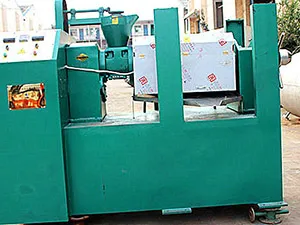
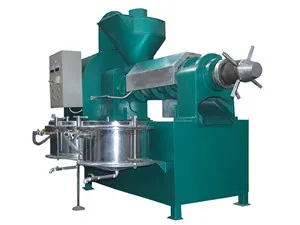
In today’s highly competitive food processing industry, the demand for pure, safe, and nutritionally rich edible oils has never been higher. Multi-stage precision filtration systems have emerged as a game-changer in refining oil quality by effectively removing impurities and micro-particles during processing. This technology ensures that the final product maintains superior taste, stability, and extended shelf life, while simultaneously increasing operational efficiency and reducing maintenance efforts for mid-scale edible oil manufacturers.
The core of multi-stage filtration lies in its ability to segregate and remove diverse contaminants through a sequential filtration process. Each stage targets particles of specific sizes and characteristics, from coarse residues like seed husks to fine micro-particles and suspended solids.
Typically, the system initiates with a coarse filter to capture larger debris, followed by progressively finer media that traps increasingly smaller impurities. Alongside mechanical filtration, some stages may incorporate advanced membrane or cartridge filters ensuring maximum oil clarity and hygiene compliance.
By efficiently filtering out impurities, multi-stage systems elevate the purity level to over 99.5%, thereby significantly lowering the content of oxidizing agents and potential contaminants. This purification safeguards the oil’s natural flavors and essential nutrients such as vitamin E and phytosterols, critical for maintaining consumer appeal and health benefits.
Moreover, enhanced filtration helps in prolonging shelf life by up to 30% by slowing oxidative degradation and preventing rancidity, a key selling point in premium and health-conscious markets.
For mid-scale edible oil manufacturers, one of the most compelling advantages of integrating multi-stage filtration is the significant reduction in manual intervention and equipment downtime. Automated filtration cycles allow continuous processing with minimal operator oversight, reducing labor costs by an estimated 20-25%.
Additionally, by preventing clogging and wear in downstream machinery, maintenance frequency decreases by approximately 30%, enabling longer production runs and increased throughput with the same workforce.
Several medium-sized edible oil producers have successfully implemented multi-stage precision filtration and reported remarkable outcomes. One leading manufacturer noted a 15% increase in final product yield due to minimized oil loss during filtration and enhanced product quality that opened access to premium export markets.
Another key beneficiary reported enhanced worker safety and process standardization, reducing product recalls linked to contamination by nearly 40%. These measurable benefits underpin the strong value proposition of investing in advanced filtration technologies that align with food safety certifications such as ISO 22000 and HACCP.
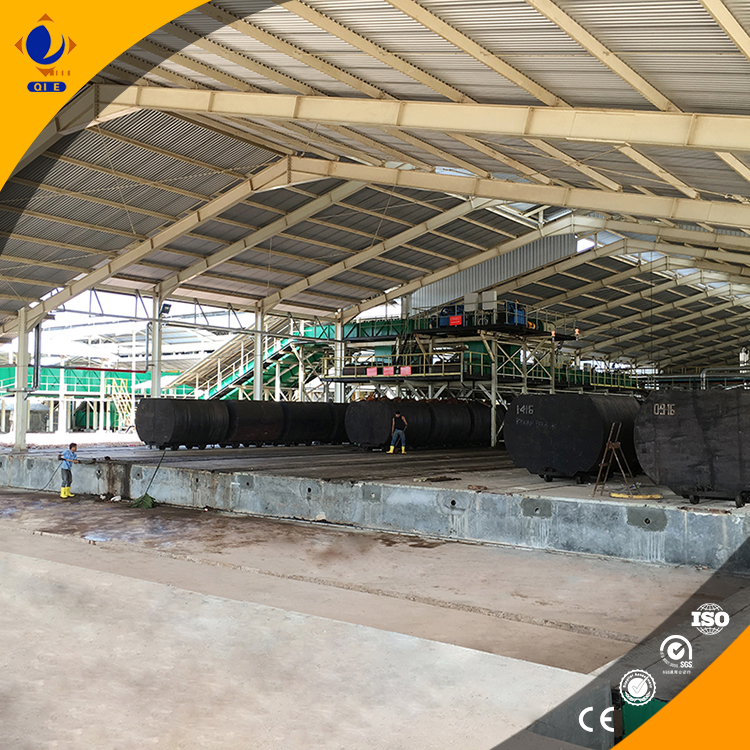
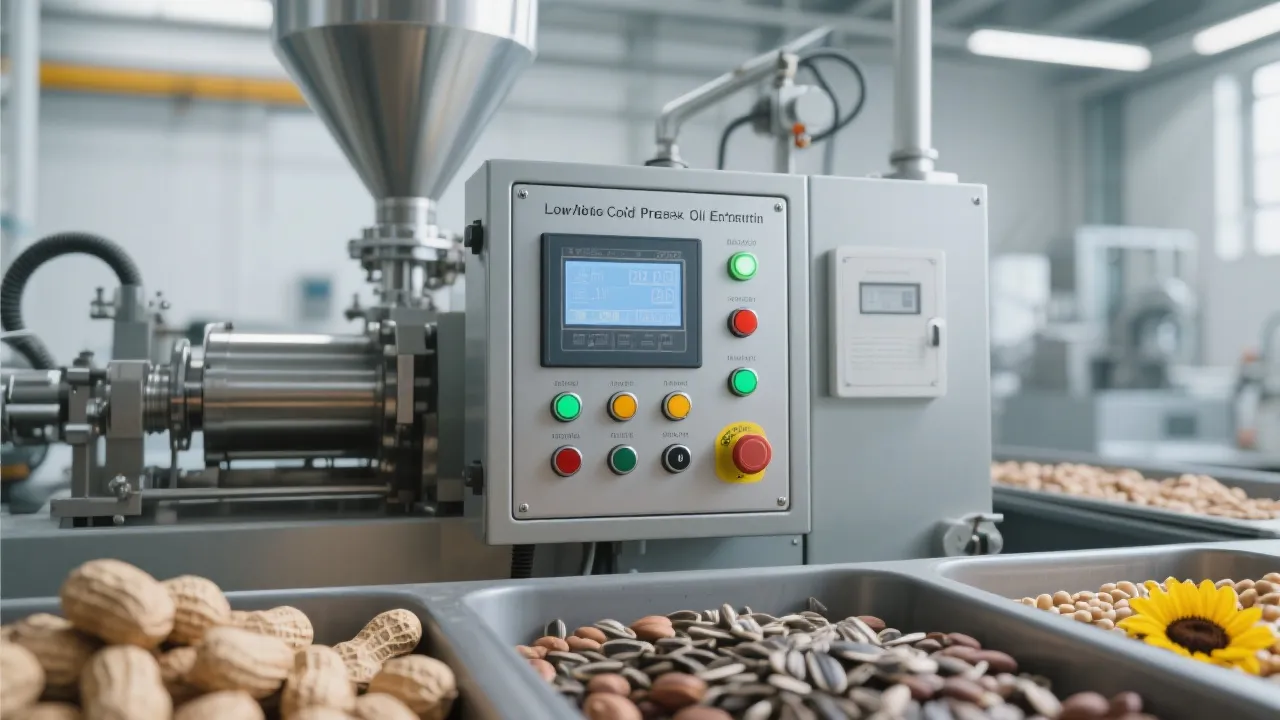
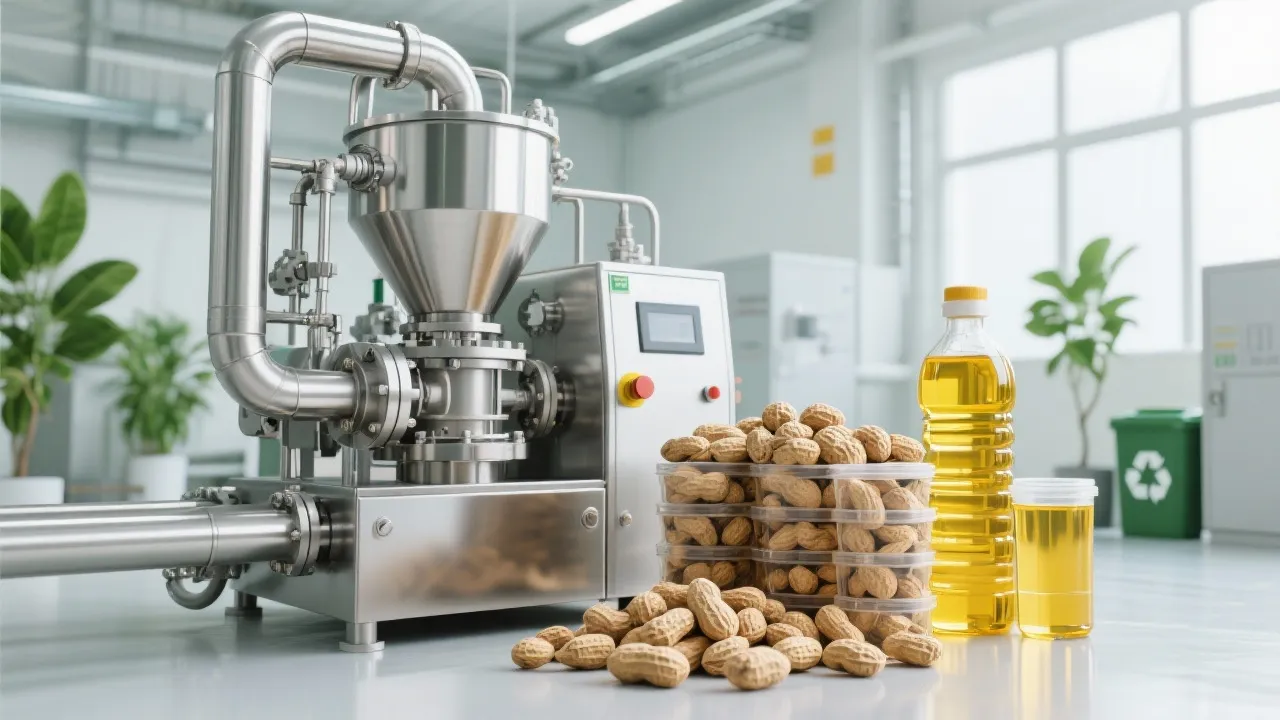
Discover how our energy-efficient, fully-automated hot and cold pressing oil machines seamlessly integrate with multi-stage filtration technology to elevate your edible oil production to the next level.
Explore High-Efficiency Oil Press Machines Now Screw oil press wear-resistant materials
Maintenance of oil press vulnerable parts
High - efficiency oil extraction equipment
Applications in hot and cold pressing processes
Oil press maintenance tips
Vertical cake discharging mechanism
Segmented cage
Efficient oil discharge
Screw oil press stability
Optimization of hot and cold pressing processes
energy efficient screw oil press
cold pressing vs hot pressing
screw press for oil extraction
oilseed processing equipment
dual helical shaft technology
Cold pressing technology advantages and disadvantages
Comparison of hot pressing oil processes
Cold and hot press dual-mode oil press
Selection of edible oil production equipment
High-efficiency oil press recommendation
fully automated oil press
hot and cold pressing technology
SME oil mill solutions
energy-saving oil extraction
oil yield improvement
Screw oil press wear-resistant materials
Maintenance of oil press vulnerable parts
High - efficiency oil extraction equipment
Applications in hot and cold pressing processes
Oil press maintenance tips
Vertical cake discharging mechanism
Segmented cage
Efficient oil discharge
Screw oil press stability
Optimization of hot and cold pressing processes
energy efficient screw oil press
cold pressing vs hot pressing
screw press for oil extraction
oilseed processing equipment
dual helical shaft technology
Cold pressing technology advantages and disadvantages
Comparison of hot pressing oil processes
Cold and hot press dual-mode oil press
Selection of edible oil production equipment
High-efficiency oil press recommendation
fully automated oil press
hot and cold pressing technology
SME oil mill solutions
energy-saving oil extraction
oil yield improvement


.jpg?x-oss-process=image/resize,h_800,m_lfit/format,webp)


.png?x-oss-process=image/resize,h_100,m_lfit/format,webp)
.png?x-oss-process=image/resize,h_100,m_lfit/format,webp)
.png?x-oss-process=image/resize,h_100,m_lfit/format,webp)