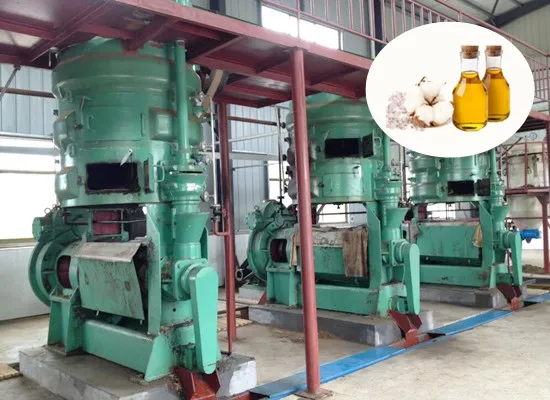
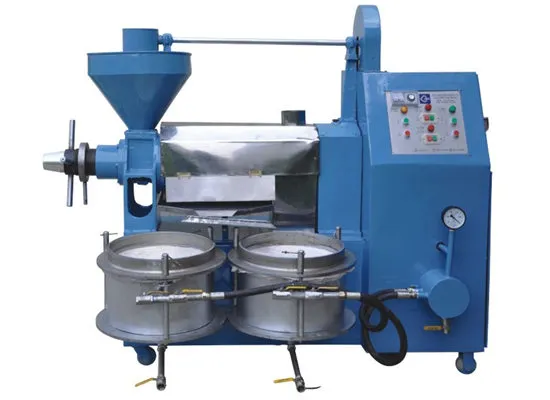
Running an oil mill is no easy feat. For many small and medium-sized enterprises (SMEs), challenges like high energy consumption and labor-intensive processes are painful bottlenecks. What if you could cut electricity bills by up to 40% and reduce manual labor by 60% with just a single piece of equipment? This guide will equip you with the insights needed to make that leap using state-of-the-art fully automatic cold and hot oil pressing technology.
Many small and medium oil producers are locked into traditional pressing methods that require extensive manpower and consume excessive power. These factors directly reduce profitability and limit scalability. The high labor costs and energy bills - which can amount to 30-50% of operational expenses - make it crucial to adopt efficient solutions without compromising oil quality.
Selecting between cold and hot pressing depends largely on the type of oilseed you process and your end-product quality goals:
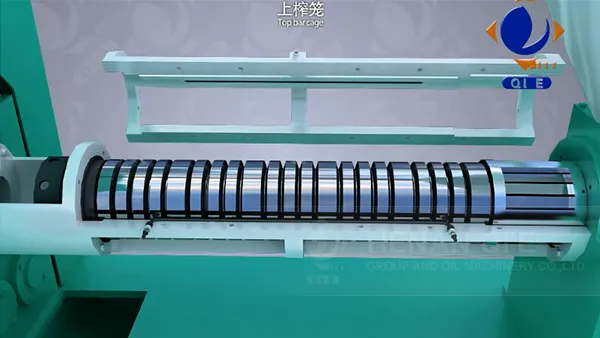
Modern fully automated cold and hot oil pressing machines integrate multi-stage filtration systems and innovative oil guiding technology. These features ensure:
A typical small oil mill upgrading to this equipment reported the following within six months:
| Metric | Before Upgrade | After Upgrade | Improvement |
|---|---|---|---|
| Electricity Consumption per Ton | 110 kWh | 66 kWh | -40% |
| Labor Hours per Batch | 15 hours | 6 hours | -60% |
| Oil Yield Rate | 38% | 43% | +5% |
Besides operational gains, the equipment is designed to fit diverse production settings with a minimal footprint. Its modular parts allow for rapid cleaning and maintenance, reducing downtime by up to 30%. This adaptability suits both new and retrofit operations aiming for quick turnaround and operational flexibility.
“After switching to this fully automatic oil pressing system, our factory saw energy costs fall dramatically while oil quality remained premium. It’s truly a game changer for small to mid-sized mills.” – Operations Manager, GreenField Oil Co.
 cold pressing vs hot pressing
edible oil nutrient retention
cold press oil machine
automated oil extraction equipment
premium cooking oil processing
spiral榨油机 efficiency
vertical cake unloading mechanism
segmented bushing design
oil extraction optimization
cold hot pressing technology
screw oil press efficiency
vertical cake discharge mechanism
segmented retaining frame
oil press stability
cold press vs hot press optimization
energy-efficient oil press equipment
intelligent temperature control oil press
thermal energy recovery technology
energy-saving oil processing
eco-friendly oil pressing machinery
multi-stage filtration system
edible oil processing
oil purity improvement
shelf life extension
energy-efficient oil press
cold pressing vs hot pressing
edible oil nutrient retention
cold press oil machine
automated oil extraction equipment
premium cooking oil processing
spiral榨油机 efficiency
vertical cake unloading mechanism
segmented bushing design
oil extraction optimization
cold hot pressing technology
screw oil press efficiency
vertical cake discharge mechanism
segmented retaining frame
oil press stability
cold press vs hot press optimization
energy-efficient oil press equipment
intelligent temperature control oil press
thermal energy recovery technology
energy-saving oil processing
eco-friendly oil pressing machinery
multi-stage filtration system
edible oil processing
oil purity improvement
shelf life extension
energy-efficient oil press



.png?x-oss-process=image/resize,h_100,m_lfit/format,webp)
.png?x-oss-process=image/resize,h_100,m_lfit/format,webp)
.png?x-oss-process=image/resize,h_100,m_lfit/format,webp)