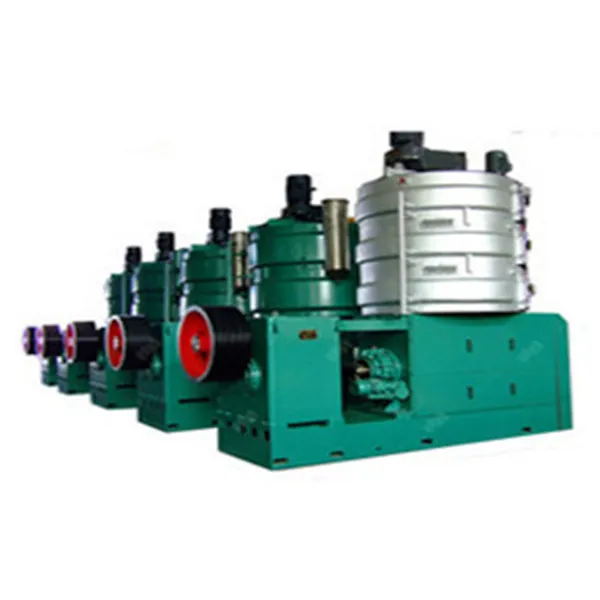
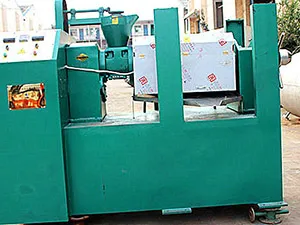
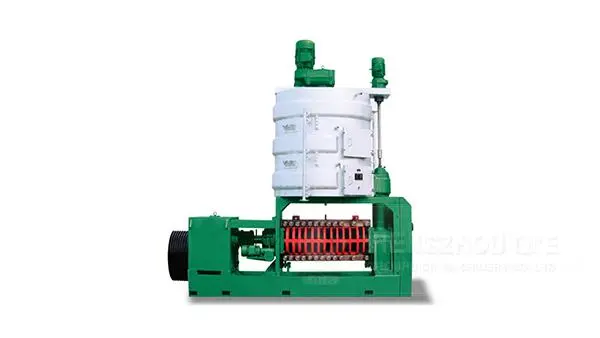
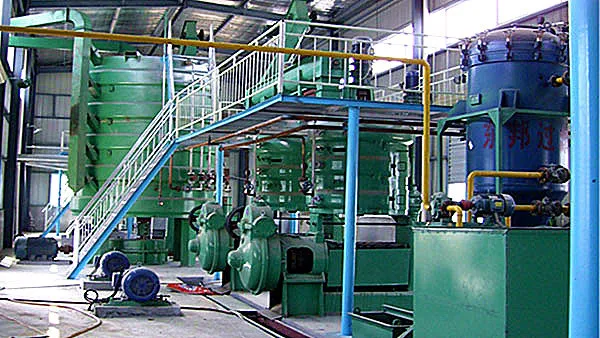
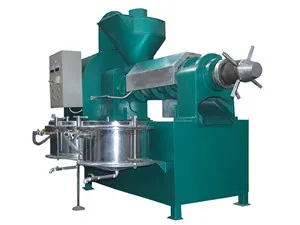
In the realm of medium-sized edible oil production, choosing the right automatic oil press and its appropriate pressing mode is crucial for energy conservation, cost reduction, and ensuring high - quality oil output. This guide aims to provide in - depth insights for medium - sized edible oil producers to make informed decisions.
There are two main pressing technologies: cold pressing and hot pressing. Cold pressing is carried out at a relatively low temperature, usually below 60°C. This method helps to preserve the natural nutrients and flavors of the oilseeds. For example, when cold - pressing sesame, it can retain more antioxidants and vitamins, resulting in a purer and more nutritious oil. On the other hand, hot pressing involves heating the oilseeds to a higher temperature, around 120 - 180°C. This process can increase the oil yield, especially for oilseeds like soybeans, where the hot - pressing method can extract up to 18 - 20% more oil compared to cold pressing.
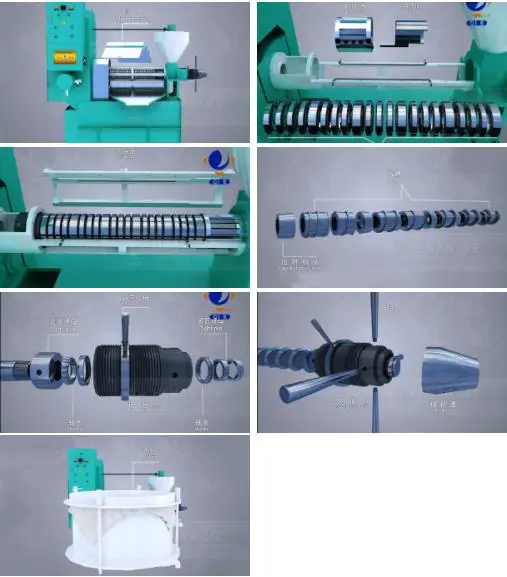
The automatic oil press is equipped with a multi - stage fine filtration system and advanced oil - guiding technology. The multi - stage fine filtration system can remove up to 99% of impurities in the oil, significantly improving the purity of the oil. The advanced oil - guiding technology ensures smooth oil flow, reducing the resistance during the oil - extraction process. This not only saves energy but also increases the overall efficiency of the oil - pressing process. For instance, in a medium - sized edible oil production plant, the use of this technology can reduce energy consumption by up to 30%.
Different oilseeds have different optimal pressing modes. For peanuts, hot pressing is often recommended as it can break down the cell walls more effectively, releasing more oil. The oil yield can reach up to 45 - 50% through hot pressing. For sesame, cold pressing is a better choice to maintain its unique aroma and nutritional value. When it comes to rapeseeds, a combination of pre - heating and then cold pressing can achieve a balance between oil yield and quality. Soybeans, due to their high protein content, are more suitable for hot pressing to maximize oil extraction.
Let's take a medium - sized edible oil production enterprise as an example. Before using the advanced automatic oil press, they faced problems such as low oil yield, high energy consumption, and poor oil quality. After adopting the new equipment and following the recommended pressing modes, their oil yield increased by 25%, energy consumption decreased by 20%, and the oil purity improved significantly. The data clearly shows the effectiveness of the equipment and the importance of choosing the right pressing mode.
If you are a decision - maker in the medium - sized edible oil production industry, this guide can serve as a valuable reference for your equipment purchase. To learn more about the automatic oil press and its advanced features, watch our equipment video and request our industry application report by clicking here.
 Energy - saving screw oil press
Double - screw shaft meshing technology
High - efficiency oil extraction
Cold and hot pressing processes
Structural optimization of screw oil presses
energy-saving screw press
dual screw axis technology
oil extraction efficiency
cold press hot press equipment
industrial oil processing machinery
spiral oil press wear-resistant materials
oil press component longevity
high-efficiency oil extraction equipment
wear-resistant coatings for industrial machinery
oil press maintenance best practices
segmented retaining frame
vertical cake discharge mechanism
screw oil press stability
cold and hot pressing optimization
efficient oil extraction
Hot pressing oil extraction process comparison
Advantages and disadvantages of cold - pressing technology
Edible oil production process
Oil extraction efficiency
Energy - saving of oil extraction equipment
Energy - saving screw oil press
Double - screw shaft meshing technology
High - efficiency oil extraction
Cold and hot pressing processes
Structural optimization of screw oil presses
energy-saving screw press
dual screw axis technology
oil extraction efficiency
cold press hot press equipment
industrial oil processing machinery
spiral oil press wear-resistant materials
oil press component longevity
high-efficiency oil extraction equipment
wear-resistant coatings for industrial machinery
oil press maintenance best practices
segmented retaining frame
vertical cake discharge mechanism
screw oil press stability
cold and hot pressing optimization
efficient oil extraction
Hot pressing oil extraction process comparison
Advantages and disadvantages of cold - pressing technology
Edible oil production process
Oil extraction efficiency
Energy - saving of oil extraction equipment


.jpg?x-oss-process=image/resize,h_800,m_lfit/format,webp)


.png?x-oss-process=image/resize,h_100,m_lfit/format,webp)
.png?x-oss-process=image/resize,h_100,m_lfit/format,webp)
.png?x-oss-process=image/resize,h_100,m_lfit/format,webp)