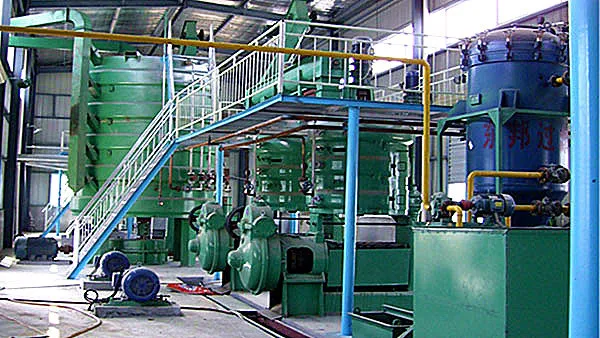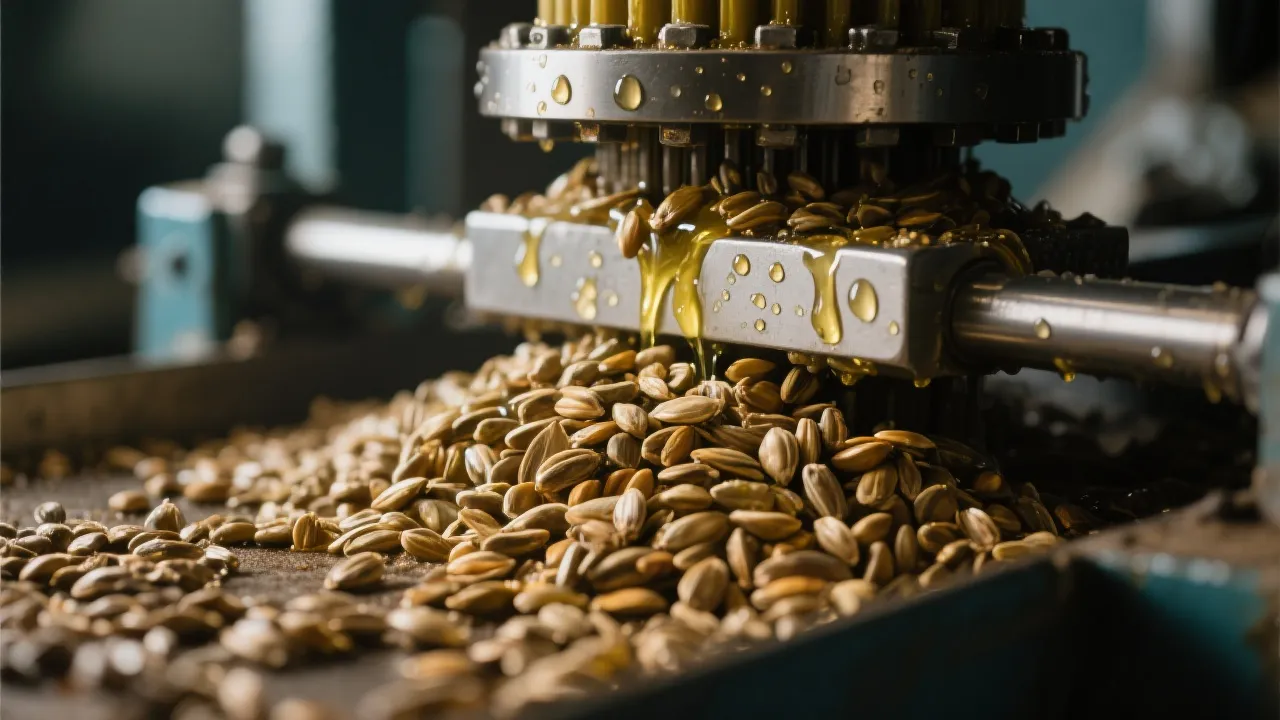
When it comes to edible oil production, two primary technologies stand out: cold pressing and hot pressing. Each method has its unique principles, processes, and impacts on the final product. Understanding these differences is crucial for small to medium-sized edible oil production enterprises to optimize their production processes, enhance oil quality, and increase output.
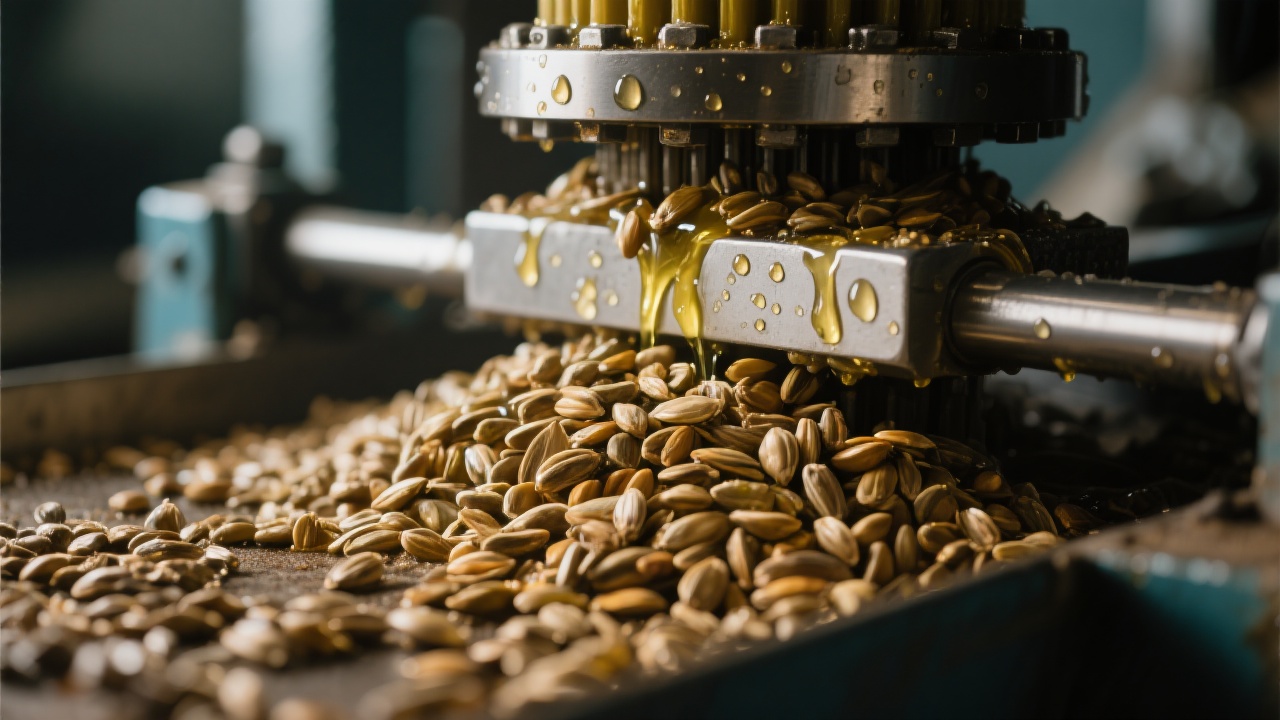
Cold pressing is a process where oilseeds are pressed at a relatively low temperature, typically below 60°C. This gentle approach helps to preserve the natural nutrients, flavors, and aromas of the oil. For example, cold-pressed olive oil is known for its high content of antioxidants and healthy fatty acids. On the other hand, hot pressing involves heating the oilseeds to a higher temperature, usually between 100 - 120°C, before pressing. This increases the fluidity of the oil and improves the oil release rate.
| Aspect | Cold Pressing | Hot Pressing |
|---|---|---|
| Temperature Control | Below 60°C | 100 - 120°C |
| Nutrient Retention | High, preserves vitamins, antioxidants, etc. | Some nutrients may be lost due to heat |
| Oil Release Rate | Relatively low, around 80 - 85% | High, up to 90 - 95% |
| Energy Consumption | Low, no need for high - temperature heating | High, requires energy for heating |
| Equipment Maintenance | Less wear and tear, longer equipment lifespan | More wear and tear due to high - temperature operation |
| Operation Complexity | Simple, less technical requirements | More complex, need to control heating temperature |
For small - scale enterprises targeting high - end markets that value natural and healthy products, cold pressing may be the better choice. For example, a small artisanal olive oil producer in Italy may focus on cold - pressed oil to meet the demands of health - conscious consumers. However, medium - sized enterprises aiming for large - scale production and higher output may opt for hot pressing. A soybean oil production plant in the United States may use hot pressing to maximize oil yield and reduce production costs.
According to industry research, a small cold - pressed rapeseed oil factory in Canada increased its product price by 20% due to the high nutrient content of its cold - pressed oil, while a medium - sized sunflower oil plant in Ukraine increased its annual output by 30% after switching to hot pressing. These data and cases demonstrate the practical effects of different processes.
Q: Can cold - pressed oil be used for high - temperature cooking?
A: Cold - pressed oil is best used for low - temperature cooking, such as salad dressing or light sautéing, because high - temperature cooking may destroy its nutrients.
Q: Does hot - pressed oil have a shorter shelf life?
A: Due to the loss of some antioxidants during the hot - pressing process, hot - pressed oil may have a relatively shorter shelf life compared to cold - pressed oil.

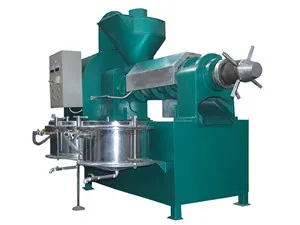
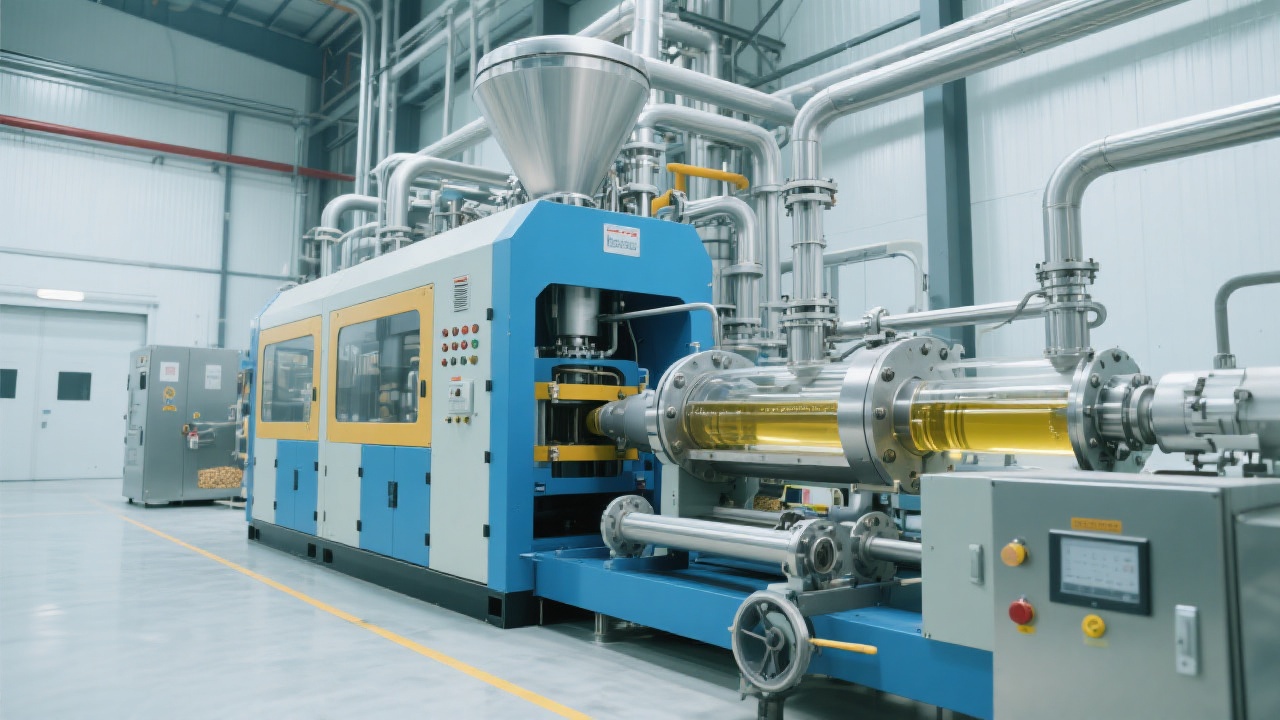
To help enterprises better utilize these two technologies, we recommend our high - efficiency automatic cold and hot press oilseed press. This machine is designed to meet international standards and can switch between cold and hot pressing modes according to different production needs. It integrates the advantages of both cold and hot pressing, helping enterprises improve production efficiency, enhance oil quality, and gain a competitive edge in the market.


.png?x-oss-process=image/resize,h_100,m_lfit/format,webp)
.png?x-oss-process=image/resize,h_100,m_lfit/format,webp)
.png?x-oss-process=image/resize,h_100,m_lfit/format,webp)