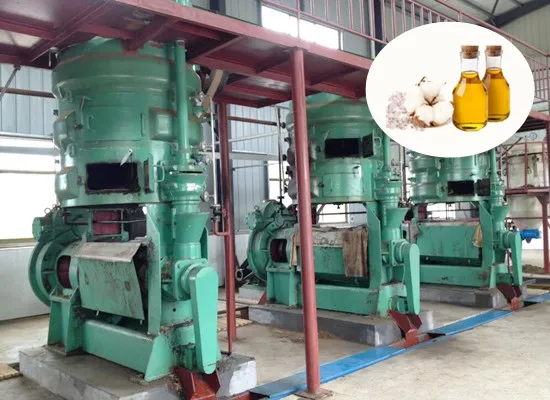
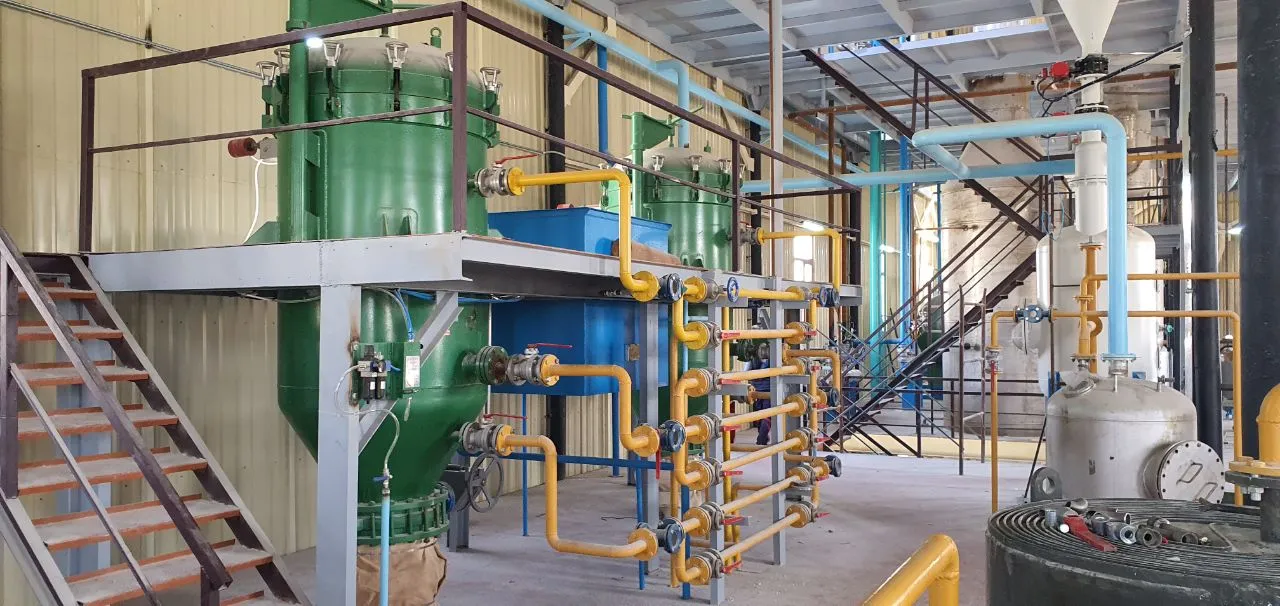
Are you looking to make healthy cooking oil at home? Look no further! This guide will walk you through the entire process of making high - quality rapeseed oil right in your own kitchen. By following a multi - stage refining process, you can improve the quality and safety of your homemade oil.
Rapeseed oil is a nutritional powerhouse. It is rich in monounsaturated fats, which are known to help reduce bad cholesterol levels, thus lowering the risk of heart disease. Moreover, it contains vitamins E and K, which are antioxidants that protect your cells from damage. When you make rapeseed oil at home, you can enjoy the fresh, unadulterated taste and have full control over the production process. This is in contrast to commercially available oils, which may have been sitting on the shelves for months.
Homemade rapeseed oil is as fresh as it gets. You can use freshly harvested rapeseeds to make the oil, ensuring that it retains all its nutrients and natural flavor. On the other hand, commercially sold oils often go through long - distance transportation and storage, which can affect their freshness.
When you make your own oil, you know exactly what goes into it. There are no hidden additives or chemicals. In contrast, some commercially available oils may contain additives to enhance their shelf - life or flavor.
You can trace the origin of the rapeseeds used in your homemade oil. If you grow your own rapeseeds or source them from a local farm, you have a clear understanding of the growing conditions. Commercially sold oils may have a more complex supply chain, making it difficult to trace their origin.

After extracting the oil from the rapeseeds, you need to let it sit for a while. During this period, impurities such as dirt and solids will settle at the bottom. You can then carefully pour off the clear oil on top, leaving the impurities behind. This step is crucial for improving the quality and purity of the oil.
Low - temperature decolorization is used to improve the color of the oil. By applying a gentle heat (with a temperature limit of ≤60°C), you can remove pigments that may affect the appearance of the oil. This results in a clearer, more appealing oil.
Steam deodorization helps to remove unpleasant odors and improve the stability of the oil. By passing steam through the oil, you can effectively remove volatile compounds, leaving behind a more neutral - smelling and stable oil. This also helps to extend the shelf - life of the oil.

Making rapeseed oil at home can be a great weekend activity for the whole family. It provides an excellent opportunity for parent - child education. However, there is a common misconception that a strong aroma means high - quality oil. In fact, the aroma of the oil is not directly related to its quality. The key is to ensure that the oil is pure and free from harmful substances.
We encourage you to share your experiences of making rapeseed oil at home. Whether it's a photo of your finished product or a tip about the process, your sharing can inspire others. We will offer incentives for valuable UGC, so don't hesitate to share!
By making rapeseed oil at home, you are taking control of your family's health from the source. You can ensure that every drop of oil is trustworthy. So why not give it a try?

Ready to start your journey of making healthy homemade rapeseed oil? Click here to learn more!
 Energy - saving oil press
Small soybean oil press
Rural oil processing equipment
Energy - saving transformation of small - medium oil mills
Screw pressing technology
Cold
pressing
oil
process
Multi
-
seed
oil
pressing
Low
-
temperature
pressed
oil
nutrition
Cold
-
pressed
edible
oil
production
process
Oil
pressing
process
optimization
Hydraulic oil press solid wax separation
Vacuum filtration technology
Pressing efficiency improvement
Oil purity optimization
Oilseed pressing equipment
compact oil press machine
small space oil processing
family oil mill equipment
oil extraction efficiency
multi-material oil press
Hydraulic oil press solid wax separation
Vacuum filtration technology
Pressing efficiency improvement
Vegetable oil pressing process
Oil purity in hydraulic oil press
Energy - saving oil press
Small soybean oil press
Rural oil processing equipment
Energy - saving transformation of small - medium oil mills
Screw pressing technology
Cold
pressing
oil
process
Multi
-
seed
oil
pressing
Low
-
temperature
pressed
oil
nutrition
Cold
-
pressed
edible
oil
production
process
Oil
pressing
process
optimization
Hydraulic oil press solid wax separation
Vacuum filtration technology
Pressing efficiency improvement
Oil purity optimization
Oilseed pressing equipment
compact oil press machine
small space oil processing
family oil mill equipment
oil extraction efficiency
multi-material oil press
Hydraulic oil press solid wax separation
Vacuum filtration technology
Pressing efficiency improvement
Vegetable oil pressing process
Oil purity in hydraulic oil press
.jpg?x-oss-process=image/resize,h_800,m_lfit/format,webp)

.jpg?x-oss-process=image/resize,h_800,m_lfit/format,webp)


.png?x-oss-process=image/resize,h_100,m_lfit/format,webp)
.png?x-oss-process=image/resize,h_100,m_lfit/format,webp)
.png?x-oss-process=image/resize,h_100,m_lfit/format,webp)

.jpg?x-oss-process=image/resize,h_800,m_lfit/format,webp)