In the evolving edible oil production landscape, two dominant extraction methods—cold pressing and hot pressing—vie for industry prominence. Both approaches have distinct impacts on oil yield, nutritional retention, energy demands, and operational complexity. Understanding these factors enables small to medium-sized enterprises (SMEs) in the edible oil sector to optimize manufacturing lines, enhance product quality, and improve profitability.
Cold pressing operates at temperatures below 50°C, applying mechanical pressure to extract oil without heat-induced changes. This technique excels in preserving sensitive bioactive compounds such as polyphenols, vitamins, and antioxidants, resulting in oils with superior nutritional and sensory profiles. Several independent studies report that cold-pressed oils retain up to 90% of original antioxidants, compared to roughly 60–70% in hot-pressed counterparts.
However, the tradeoff lies in oil extraction efficiency, typically ranging from 65% to 75% of total oil content, depending on the oilseed type. Lower temperatures limit oil fluidity and release, translating into a lower throughput rate and longer pressing cycles.
Conversely, hot pressing involves heating oilseeds to 90–130°C before mechanical pressing. Elevated temperature softens the seed matrix, substantially increasing oil release and improving extraction yields to above 85%, sometimes nearing 90% when optimized. This boost in output directly benefits commercial-scale operations focusing on volume.
Nonetheless, the process compromises thermal-sensitive nutrients, with vitamin E and phenolic compounds often reduced by 30–40%. Additionally, higher energy consumption is an intrinsic cost; thermal treatment requires roughly 30% more energy per ton of seeds processed than cold pressing.
Detailed industry benchmarks reveal that cold pressing typically consumes 25–35 kWh per ton of raw seeds, primarily electrical for mechanical pressing. Hot pressing, due to pre-heating stages, demands between 35–50 kWh/ton, integrating thermal energy inputs. This difference significantly impacts operational cost structures, especially in regions with high energy prices.
Equipment maintenance also diverges. Cold pressing machines feature simpler mechanical components, lowering downtime and maintenance budgets by an estimated 15%. Hot pressing units require periodic service of heating elements and complex temperature controls, elevating maintenance intensity. Operators must be trained to manage these systems, increasing labor skill requirements and initial training costs.
Key Data Summary:
For SMEs prioritizing premium, nutrient-rich oils targeting health-conscious segments, cold pressing offers a strategic advantage. Despite lower yields, the higher market value of cold-pressed oils can offset reduced throughput.
Conversely, producers aiming for bulk volume markets or refining downstream can leverage hot pressing to maximize oil extraction and minimize per-unit costs. This approach suits larger plants where energy economics and operational expertise justify the technology demands.

A mid-sized producer in Eastern Europe recently implemented a combined hot and cold pressing line, utilizing hot pressing for high-output feedstock and cold pressing for specialty seed batches. This hybrid model boosted overall efficiency by 20% and increased product variety, expanding market reach with minimal capital increase.
Data collected over 12 months showed a 15% reduction in energy cost per liter of oil produced and a 25% increase in customer satisfaction scores attributed to quality improvements in niche oil ranges.

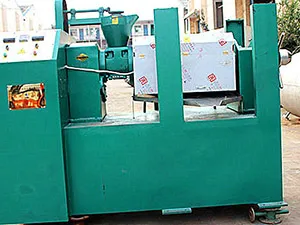
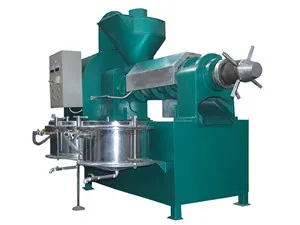
Advances in automation technology now allow integration of smart control systems into both cold and hot pressing lines, enabling precise temperature regulation, optimal pressing parameters, and continuous operation with minimal human intervention. Fully automated cold & hot pressing oilseed machines maximize resource utilization and reduce operational errors, directly increasing productivity by up to 30%.
This technology benefits producers aiming to balance oil quality with output demands while reducing workforce costs and minimizing downtime. Key features include modular design for scalability, intuitive user interfaces, and energy-efficient motor drives that reduce operating costs.
 wear-resistant materials for screw oil press
screw oil press machine maintenance
extending oil press lifespan
high-efficiency oil extraction equipment
reducing equipment downtime
vertical cake discharge mechanism
segmented bearing frame
screw oil press oil discharge
residue-free oil extraction
cold and hot oil pressing optimization
spiral榨油机 efficiency
vertical cake unloading mechanism
segmented bushing design
oil extraction optimization
cold hot pressing technology
screw oil press working principle
dual spiral shaft meshing technology
peanut oil extraction rate
energy efficient oil press
cold and hot pressing adaptability
Cold - pressing technology advantages and disadvantages
Comparison of hot - pressing oil extraction processes
Edible oil production equipment
Oil extraction technology
Energy - saving technology for oil presses
wear-resistant materials for screw oil press
screw oil press machine maintenance
extending oil press lifespan
high-efficiency oil extraction equipment
reducing equipment downtime
vertical cake discharge mechanism
segmented bearing frame
screw oil press oil discharge
residue-free oil extraction
cold and hot oil pressing optimization
spiral榨油机 efficiency
vertical cake unloading mechanism
segmented bushing design
oil extraction optimization
cold hot pressing technology
screw oil press working principle
dual spiral shaft meshing technology
peanut oil extraction rate
energy efficient oil press
cold and hot pressing adaptability
Cold - pressing technology advantages and disadvantages
Comparison of hot - pressing oil extraction processes
Edible oil production equipment
Oil extraction technology
Energy - saving technology for oil presses






.png?x-oss-process=image/resize,h_100,m_lfit/format,webp)
.png?x-oss-process=image/resize,h_100,m_lfit/format,webp)
.png?x-oss-process=image/resize,h_100,m_lfit/format,webp)