In the realm of edible oil production, two primary extraction methods stand out: cold pressing and hot pressing. Understanding their principles, processes, and differences is crucial for edible oil manufacturers, especially small and medium - sized enterprises aiming to enhance product quality and output.
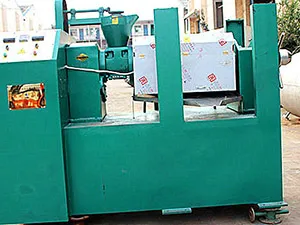
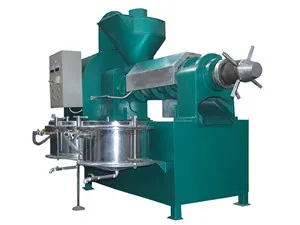
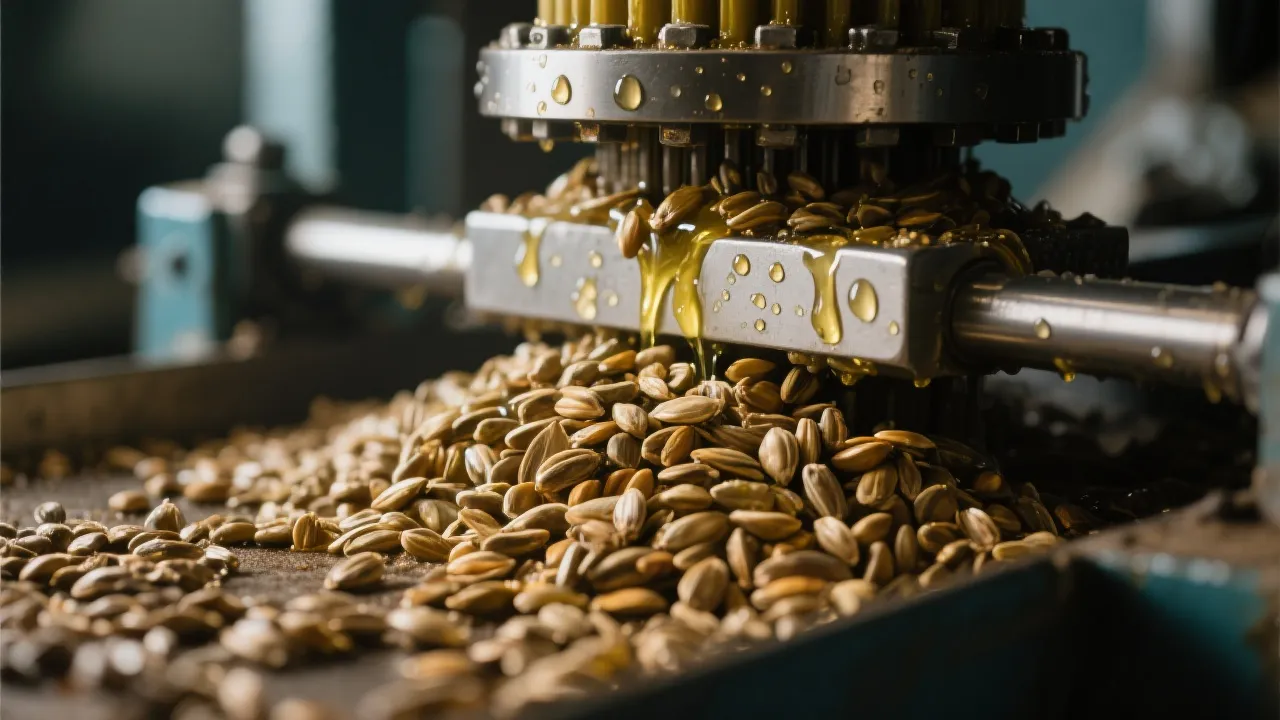
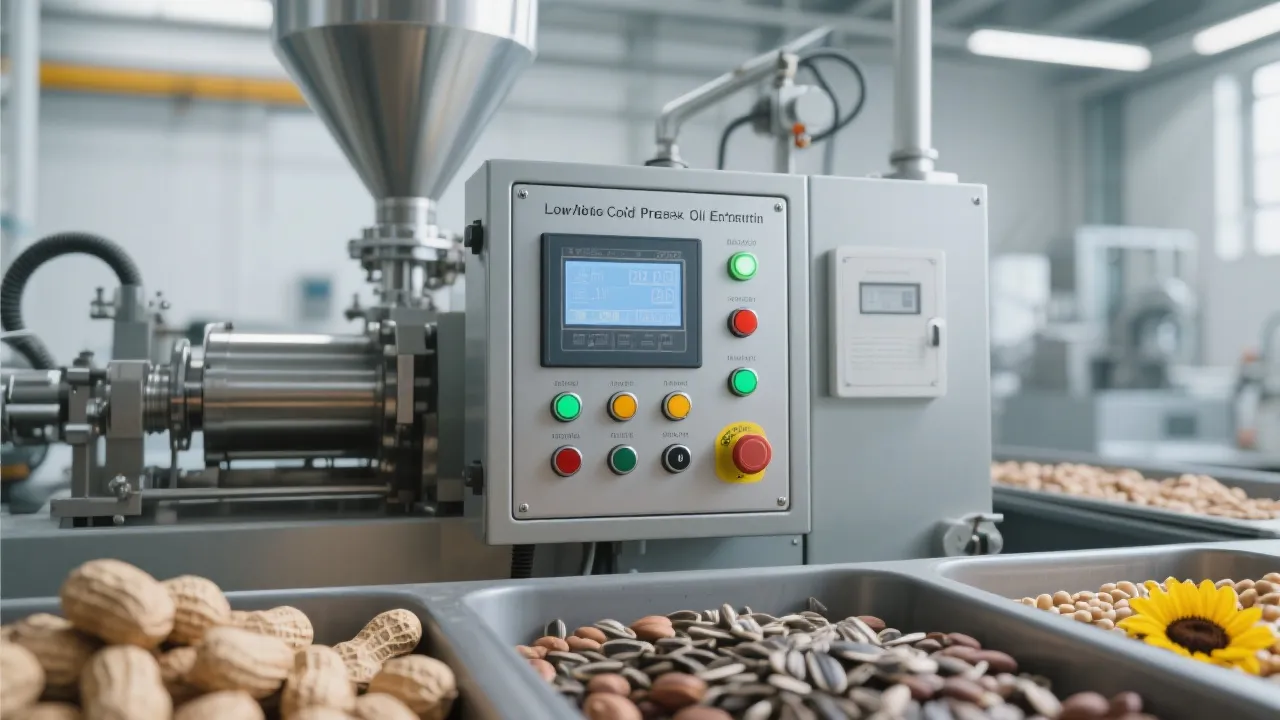
Cold pressing involves extracting oil from seeds or nuts at low temperatures, typically below 49°C. This process preserves the natural flavors, nutrients, and antioxidants in the oil. For example, olive oil cold - pressed from high - quality olives retains a rich flavor and a high content of vitamin E and monounsaturated fats. The basic process includes cleaning the raw materials, crushing them into small pieces, and then using a mechanical press to extract the oil. The key advantage of cold pressing is the high nutritional value of the oil, but the oil release rate is relatively low, usually around 60 - 70% for most common oilseeds.
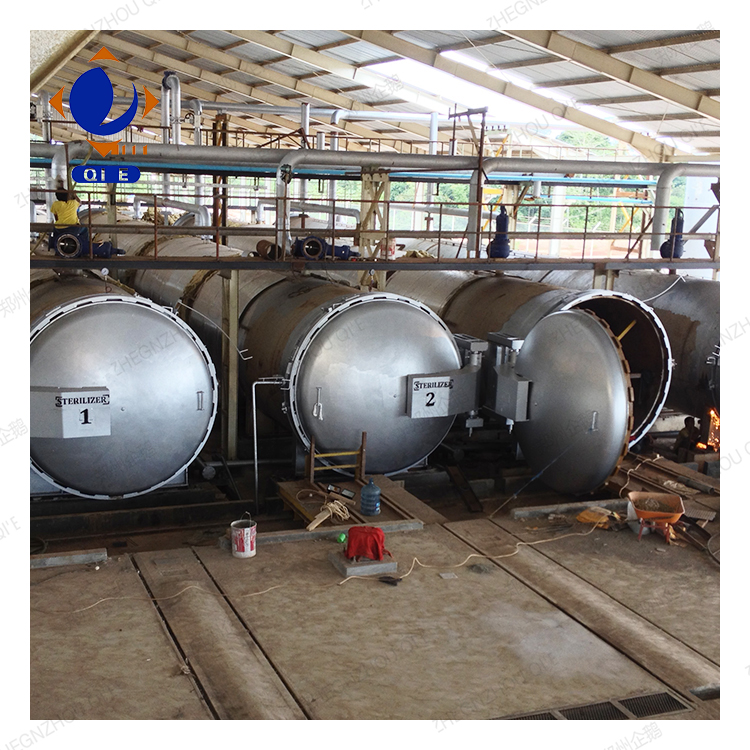
On the other hand, hot pressing is carried out at higher temperatures, often between 100 - 120°C. The raw materials are first heated, which helps to break down the cell walls of the oilseeds and release more oil. This results in a higher oil extraction rate, reaching up to 80 - 90%. However, the high temperature can cause some loss of nutrients and change the flavor of the oil. The process usually includes roasting the seeds, followed by pressing. Although it has a high yield, it also consumes more energy, about 30 - 50% more than cold pressing according to industry data.

When it comes to oil release rate, hot pressing clearly outperforms cold pressing. But in terms of nutritional retention, cold - pressed oils are superior. Cold - pressed oils are often preferred by health - conscious consumers and high - end food markets. For instance, cold - pressed flaxseed oil is rich in omega - 3 fatty acids, which are beneficial for heart health.
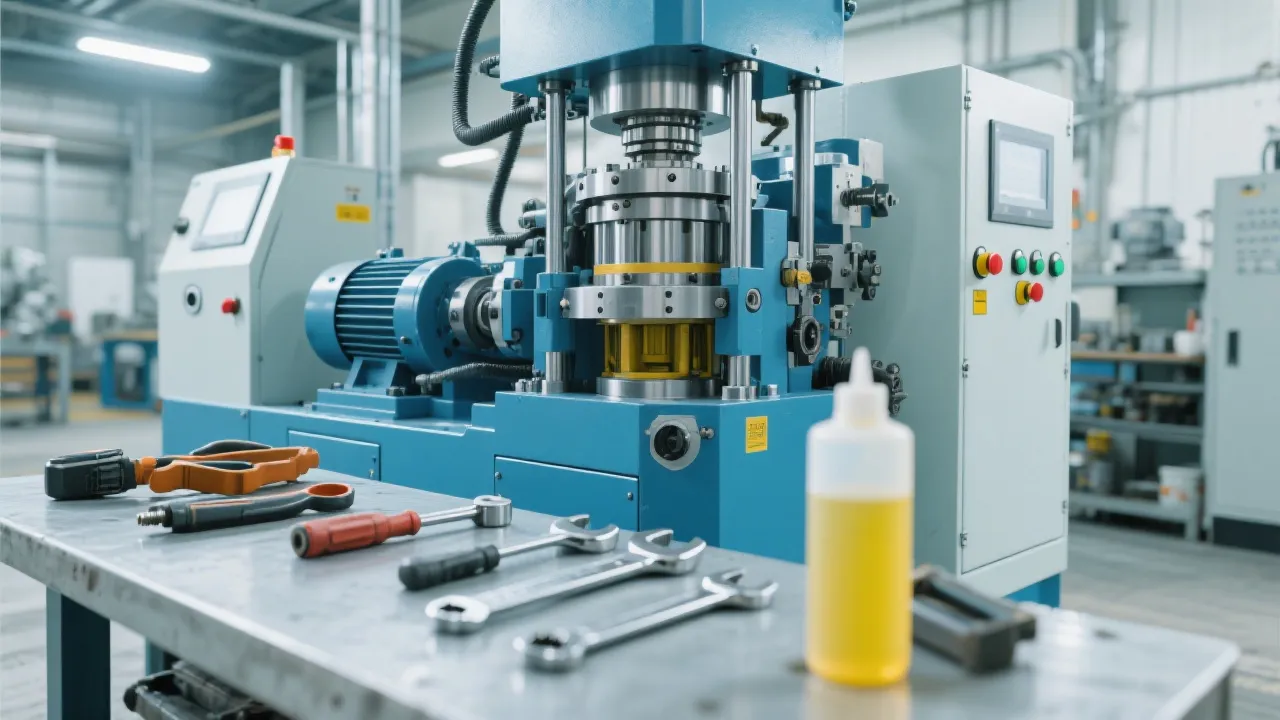
In terms of energy consumption, cold pressing is more energy - efficient. The lower temperature requires less heating, reducing the overall energy cost. However, hot pressing requires more energy for heating the raw materials and operating the presses at higher temperatures. As for equipment maintenance, hot pressing may cause more wear and tear on the equipment due to the high - temperature environment. The high temperature can accelerate the aging of mechanical parts, leading to more frequent maintenance and replacement.
For small - scale enterprises targeting the high - end market, cold pressing is a better choice. It can produce high - quality oils with rich nutrients, which can be sold at a premium price. For example, a small artisanal olive oil producer can use cold pressing to create a niche product for health - conscious consumers.
Medium - sized enterprises aiming for mass production and a wider market share may consider hot pressing. The higher oil yield can meet the large - scale demand, although they need to balance the energy cost and equipment maintenance. For instance, a soybean oil production company can use hot pressing to increase its output and reduce the unit cost of production.
Q: Is cold - pressed oil always healthier?
A: Generally, cold - pressed oil retains more nutrients. But it also depends on the raw materials. If the raw materials are of poor quality, even cold - pressed oil may not be very healthy.
Q: Can I use hot - pressed oil for cooking?
A: Yes, hot - pressed oil can be used for cooking. However, due to the loss of some nutrients, it may not be as healthy as cold - pressed oil for raw consumption.
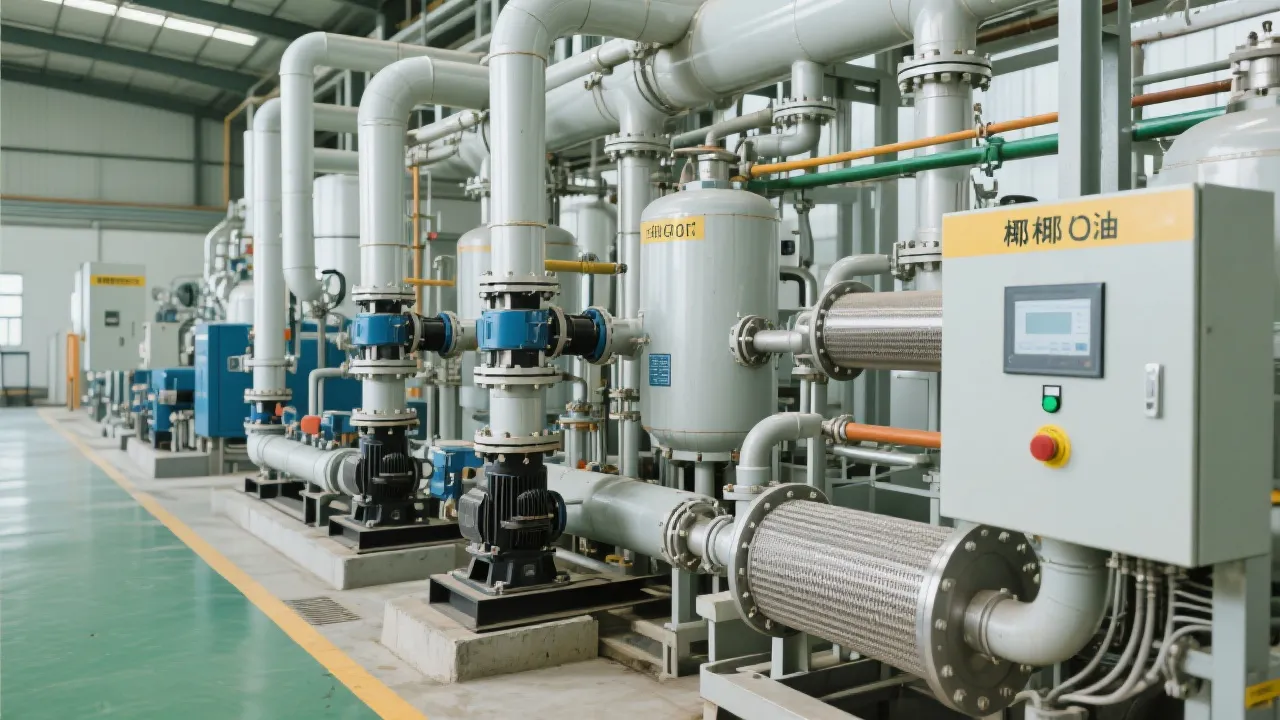
Choosing the right oil - pressing technology is a strategic decision for edible oil manufacturers. It can significantly impact product quality, production efficiency, and market competitiveness. Our company offers a range of high - quality oil - pressing equipment suitable for both cold and hot pressing processes. Our equipment is energy - efficient, easy to maintain, and can help you achieve optimal production results.
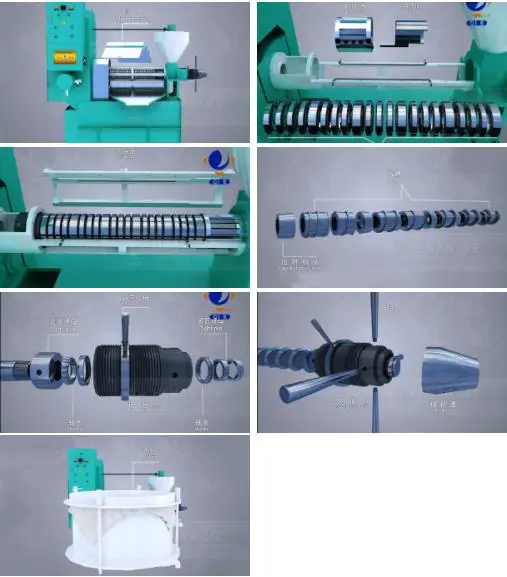
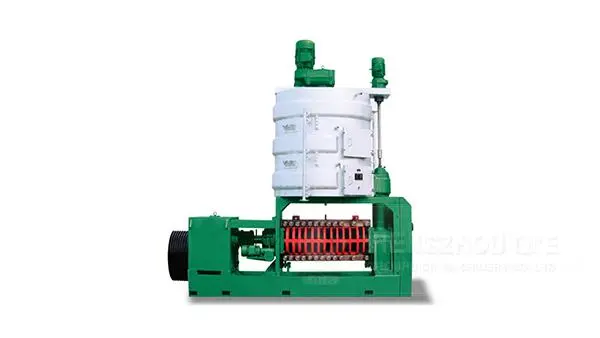
Explore Our Oil - Pressing Equipment Now! Vertical cake discharging mechanism
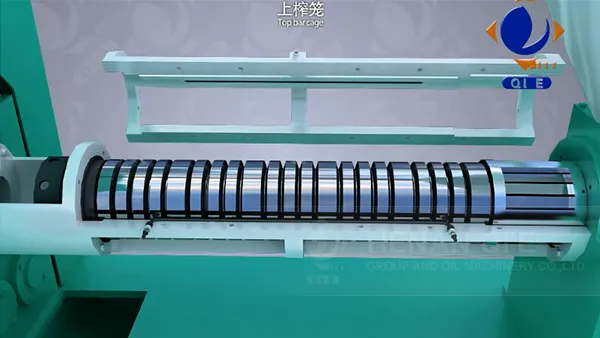
Segmented cage
Efficient oil discharge
Screw oil press stability
Optimization of hot and cold pressing processes
Screw oil press wear - resistant materials
Service life of oil press vulnerable parts
Efficient oil press equipment maintenance
Cold and hot pressing process equipment
Oil press key component materials
spiral oil press wear parts
oil press maintenance tips
oil press spare parts replacement
oil press failure prevention
oil press energy efficiency
Energy-efficient screw oil press
Double-screw shaft pressing technology
High-efficiency oil extraction
Cold and hot pressing process adaptation
Overseas after-sales service
Cold pressing technology advantages and disadvantages
Hot pressing oil extraction process comparison
Edible oil production process
Oilseed expeller
Energy - saving oil extraction equipment
Vertical cake discharging mechanism
Segmented cage
Efficient oil discharge
Screw oil press stability
Optimization of hot and cold pressing processes
Screw oil press wear - resistant materials
Service life of oil press vulnerable parts
Efficient oil press equipment maintenance
Cold and hot pressing process equipment
Oil press key component materials
spiral oil press wear parts
oil press maintenance tips
oil press spare parts replacement
oil press failure prevention
oil press energy efficiency
Energy-efficient screw oil press
Double-screw shaft pressing technology
High-efficiency oil extraction
Cold and hot pressing process adaptation
Overseas after-sales service
Cold pressing technology advantages and disadvantages
Hot pressing oil extraction process comparison
Edible oil production process
Oilseed expeller
Energy - saving oil extraction equipment





.png?x-oss-process=image/resize,h_100,m_lfit/format,webp)
.png?x-oss-process=image/resize,h_100,m_lfit/format,webp)
.png?x-oss-process=image/resize,h_100,m_lfit/format,webp)

.jpg?x-oss-process=image/resize,h_800,m_lfit/format,webp)