.jpg?x-oss-process=image/resize,h_3000,m_lfit/format,webp)
In the field of vegetable oil production, hydraulic oil presses play a crucial role. This article delves into the principle of solid and wax - bran separation technology in hydraulic oil presses and the application of vacuum filtration, aiming to help industrial users understand how to improve oil yield, optimize oil purity, and extend the service life of equipment through scientific pressing processes.
The separation of solids and wax - bran in hydraulic oil presses is based on the physical property differences of various components in the oil - bearing materials. For example, the specific gravity and particle size of solids and wax - bran are different from those of the oil. The high - pressure hydraulic system in the oil press can precisely regulate the pressure. By adjusting the pressure, it can effectively separate different components. Generally, a pressure range of 20 - 30 MPa is suitable for most oil - bearing materials. This pressure can break the cell walls of the materials, release the oil, and at the same time, facilitate the separation of solids and wax - bran.
.jpg)
Vacuum filtration is a key technology in the purification of vegetable oil. It can remove impurities such as solids and wax - bran in the oil while retaining the original flavor of the oil. The vacuum environment can effectively prevent the oxidation of oil, ensuring the quality of the oil. According to relevant data, using vacuum filtration technology can increase the purity of oil by 10% - 15% compared with traditional filtration methods.
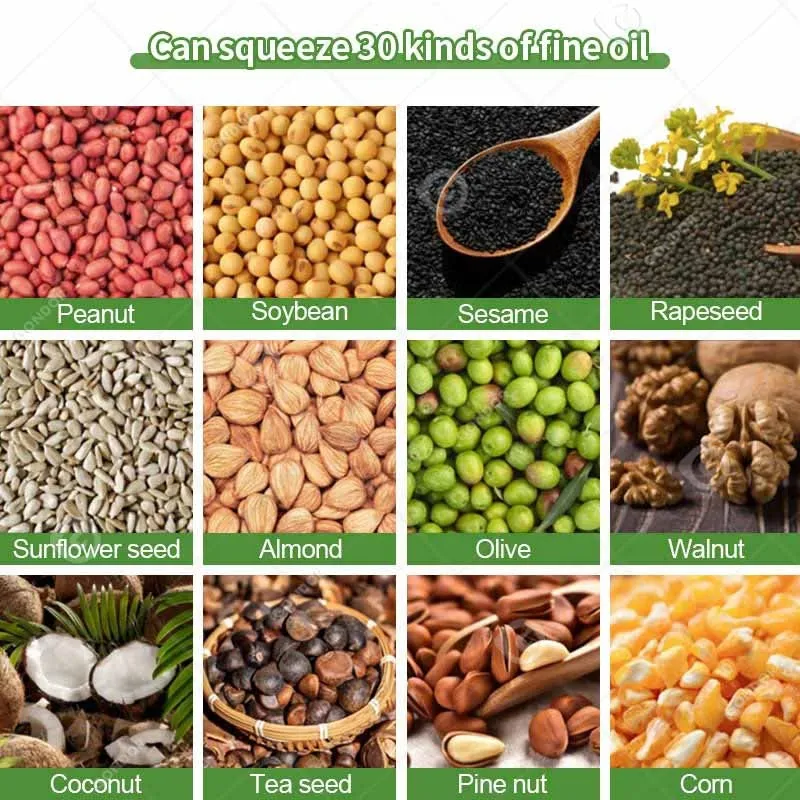
Different oil - bearing materials, such as peanuts and rapeseeds, have different wax components. Peanuts have relatively lower wax content, while rapeseeds have higher wax content. For rapeseeds, a more refined separation process is required. Usually, a multi - stage separation method can be adopted, first using a coarse filter to remove large particles of solids, and then using a fine - filter and vacuum filtration to remove wax - bran and fine impurities. This can effectively improve the quality of rapeseed oil.
.jpg)
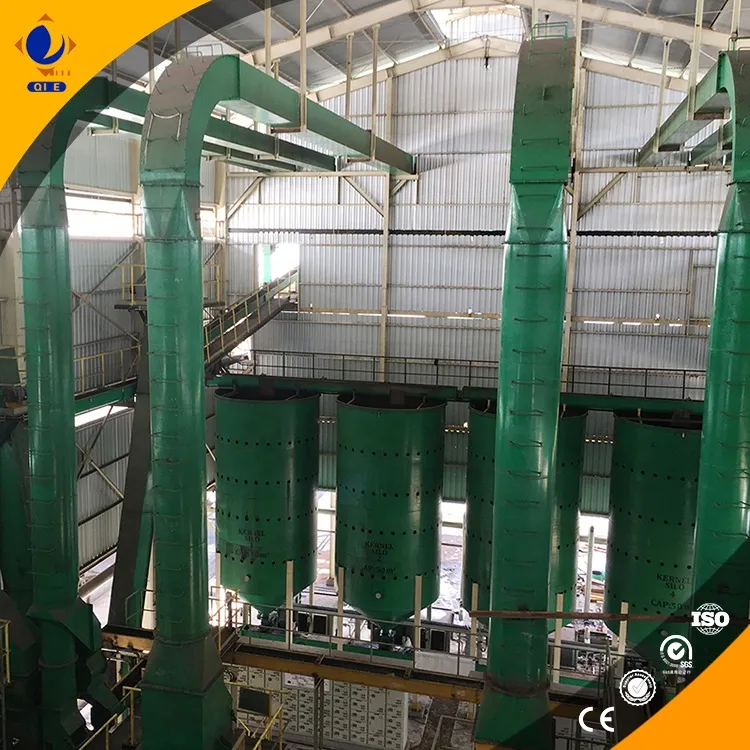
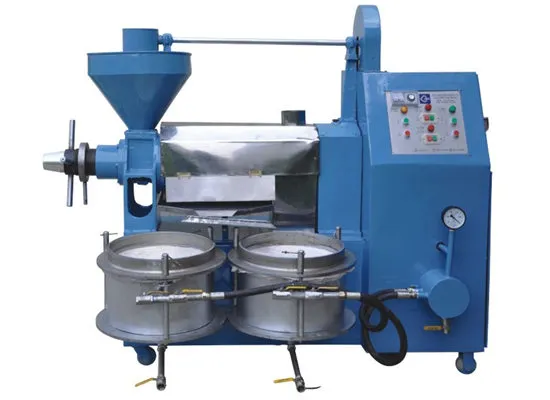
The internal structure of the hydraulic oil press is designed to support efficient separation. The residue export path is carefully designed to ensure that the separated solids and wax - bran can be smoothly discharged from the equipment. The wax - bran collection module can effectively collect the separated wax - bran, which is convenient for subsequent treatment. For example, some advanced hydraulic oil presses have a spiral residue export device, which can continuously and stably discharge residues, improving the working efficiency of the equipment.
In real - world factory scenarios, adjusting the operation process and setting parameters are crucial. For example, the temperature of the oil - bearing materials before pressing should be controlled at about 60 - 70°C, which can improve the fluidity of the oil and facilitate separation. In terms of daily maintenance, regular cleaning of the filter and inspection of the hydraulic system are necessary. This can ensure the long - term stable operation of the equipment and reduce the failure rate. According to statistics, regular maintenance can extend the service life of the equipment by 20% - 30%.
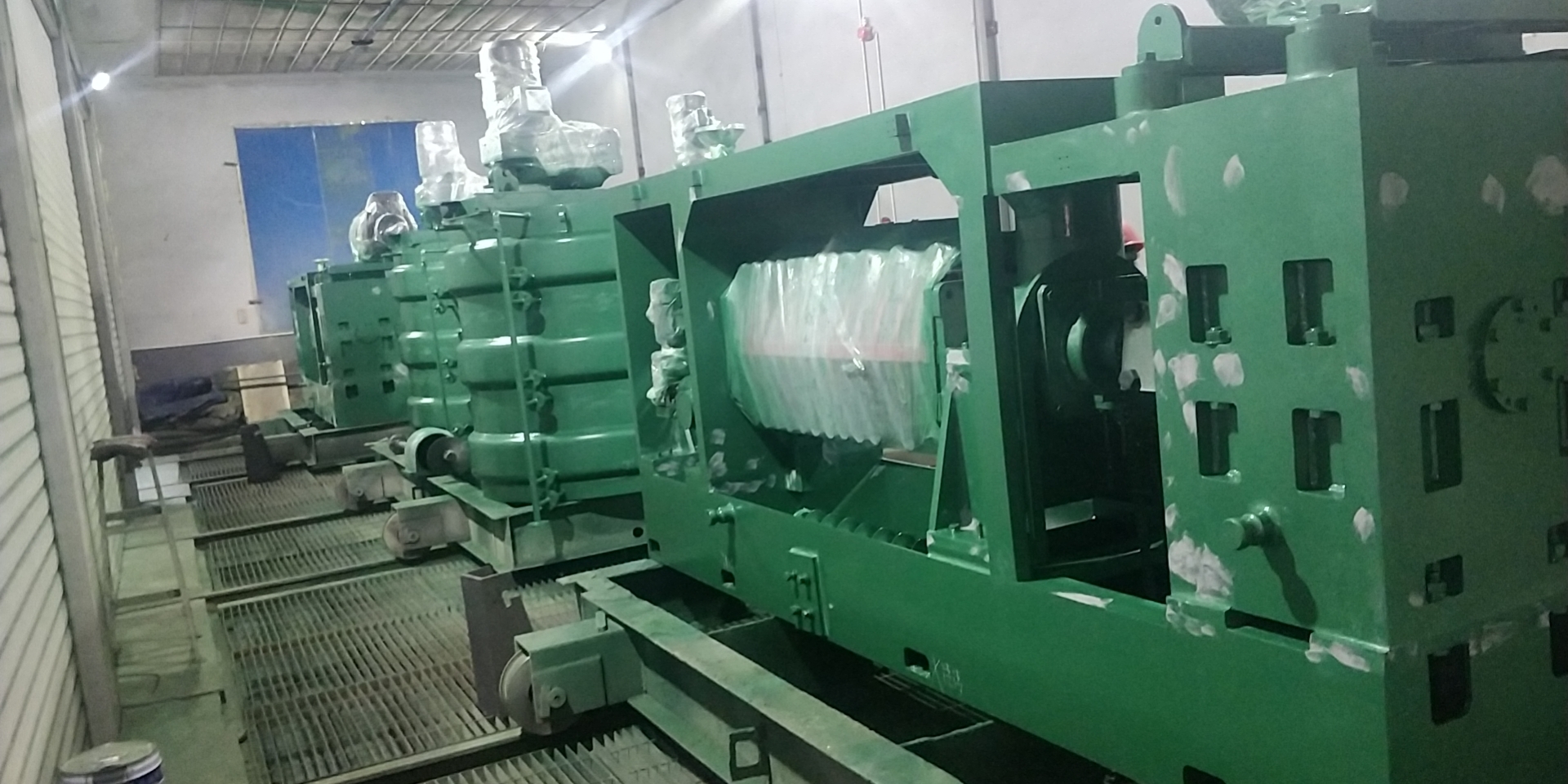
The stable operation of the hydraulic oil press is directly related to economic benefits. A well - maintained and properly operated oil press can not only improve oil yield and quality but also reduce energy consumption. In the long run, it can significantly improve the economic benefits of the enterprise. For example, using an energy - efficient high - pressure hydraulic oil press can reduce energy consumption by 15% - 20% compared with traditional oil presses.
Our energy - efficient high - pressure hydraulic oil press from QIE Group has integrated this advanced separation technology. If you want to learn more about the solutions for vegetable oil production, click here.
 peanut sesame oil press machine
physical oil pressing technology
cold press vs hot press
small workshop oil extraction
home oil processing solutions
Multi - stage fine filtration system
Edible oil processing
Oil purity
Nutrient retention in oil
Energy - saving technology for oil presses
cold pressing vs hot pressing
edible oil extraction methods
small scale oil press
oil processing technology
cold pressed oil benefits
Cold pressing technology advantages and disadvantages
Comparison of hot pressing oil extraction processes
Selection of cold and hot oil presses
Analysis of edible oil production processes
Energy - saving solutions for oil presses
vertical cake discharge mechanism
segmented bearing design
screw oil press efficiency
residue prevention in oil pressing
cold and hot oil pressing optimization
peanut sesame oil press machine
physical oil pressing technology
cold press vs hot press
small workshop oil extraction
home oil processing solutions
Multi - stage fine filtration system
Edible oil processing
Oil purity
Nutrient retention in oil
Energy - saving technology for oil presses
cold pressing vs hot pressing
edible oil extraction methods
small scale oil press
oil processing technology
cold pressed oil benefits
Cold pressing technology advantages and disadvantages
Comparison of hot pressing oil extraction processes
Selection of cold and hot oil presses
Analysis of edible oil production processes
Energy - saving solutions for oil presses
vertical cake discharge mechanism
segmented bearing design
screw oil press efficiency
residue prevention in oil pressing
cold and hot oil pressing optimization


.png?x-oss-process=image/resize,h_100,m_lfit/format,webp)
.png?x-oss-process=image/resize,h_100,m_lfit/format,webp)
.png?x-oss-process=image/resize,h_100,m_lfit/format,webp)

.jpg?x-oss-process=image/resize,h_800,m_lfit/format,webp)


.jpg?x-oss-process=image/resize,m_fill,h_800,w_800/format,webp)