
.jpg?x-oss-process=image/resize,h_3000,m_lfit/format,webp)
In the industrial production of vegetable oil, the separation of solids and wax bran in hydraulic oil presses is a crucial step that directly affects the purity, flavor, and overall quality of the oil. This article will delve into the core principles and application methods of this separation technology, as well as how vacuum filtration can significantly enhance oil purity and flavor retention.
Solid and wax bran separation plays a vital role in the oil extraction process. Impurities and wax in the oil can not only affect the taste and appearance of the oil but also reduce its shelf - life. By effectively separating solids and wax bran, the quality of the oil can be improved, and the economic benefits of production can be enhanced.
.jpg)
During the pressing process, pressure control is a key factor in solid - liquid separation. Appropriate pressure can ensure that the oil is effectively squeezed out while minimizing the mixing of solids. For example, in the pressing of peanuts, a pressure of about 30 - 50 MPa can achieve a better separation effect. If the pressure is too low, the oil yield will be reduced; if the pressure is too high, more solids may be forced into the oil, affecting its purity.
The vacuum filtration system is an effective method to remove impurities from the oil. Under vacuum conditions, the oil can pass through the filter medium more easily, and impurities such as solids and wax can be intercepted. This not only improves the purity of the oil but also helps to retain the natural flavor of the oil. According to practical production experience, the use of a vacuum filtration system can increase the oil purity by about 95% - 98%.
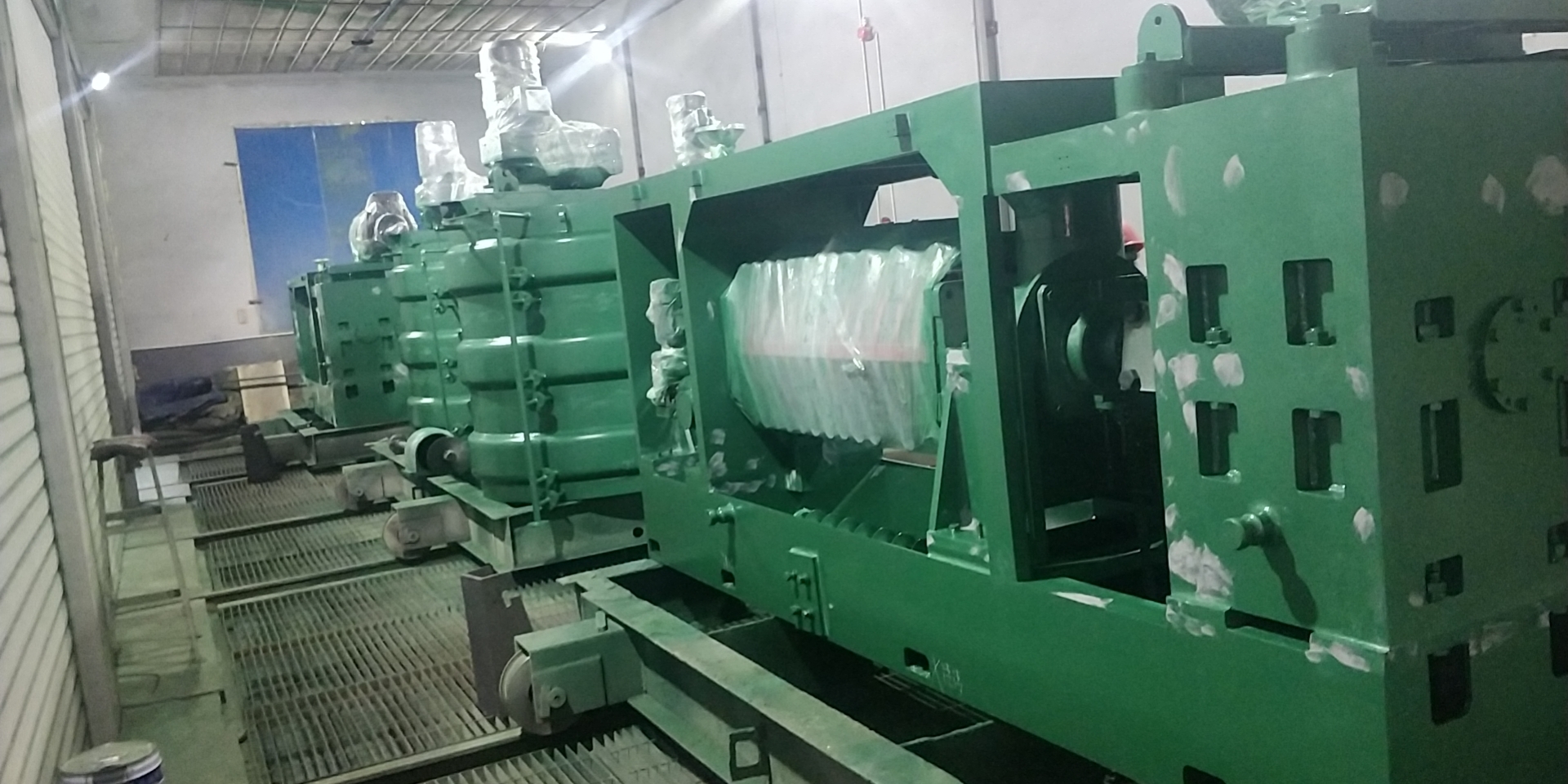
Different oilseeds, such as peanuts, rapeseeds, and walnuts, have different wax contents. Peanuts generally have a relatively low wax content, while rapeseeds have a higher wax content. For oilseeds with high wax content, more advanced separation and filtration methods are required. For example, a pre - treatment process can be added to reduce the wax content before pressing.
The internal structure design of the equipment is crucial for efficient separation and flexible switching. A well - designed equipment structure can ensure that different oilseeds can be processed effectively. For example, some advanced hydraulic oil presses have adjustable pressing chambers and filter systems, which can be adjusted according to different oilseeds and production requirements.
In actual production, operators need to follow a specific operation process. First, the oilseeds need to be pre - treated, such as cleaning and roasting. Then, the appropriate pressing pressure and filtration parameters need to be set according to the type of oilseeds. During the operation, continuous monitoring and adjustment are required to ensure the stability of the production process.
Regular maintenance is essential for extending the service life of the equipment and ensuring its stable operation. For example, the filter medium needs to be replaced regularly, and the pressing chamber and other components need to be cleaned and lubricated. By doing so, the performance of the equipment can be maintained at a high level, and the production efficiency can be improved.
.jpg)
Let's take a real - world case as an example. A vegetable oil production company implemented the solid and wax bran separation technology and vacuum filtration system in its hydraulic oil presses. After the implementation, the oil purity increased from 90% to 96%, and the oil yield increased by about 5%. This not only improved the quality of the products but also increased the economic benefits of the company.
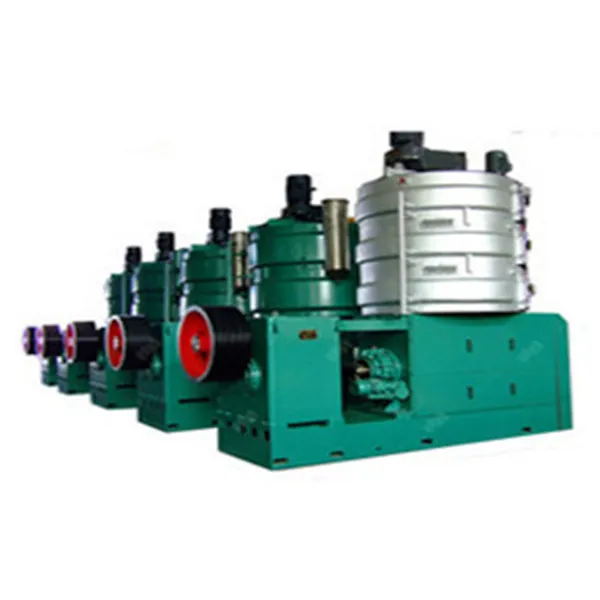
Our energy - efficient high - pressure hydraulic oil press from Penguin Group has integrated this advanced technology solution, which can help customers achieve stable and high - yield production. If you want to learn more about how this technology can transform your oil production process, click here to explore further.
Do you have any questions about solid and wax bran separation technology in hydraulic oil presses? Feel free to leave your comments below!
 Oil press maintenance
Energy - saving and power - saving techniques
Extend service life
How to clean a household oil press
How to avoid material jamming in oil presses
oil press installation and debugging
civil engineering cooperation requirements
electrical wiring specifications
screw oil press after - sales support
oil press test - run process
spiral oil press installation
oil press civil construction
electrical wiring standards
oil press trial run
equipment commissioning support
multi-stage filtration system
edible oil processing
oil purity improvement
shelf life extension
energy-efficient oil press
Screw pressing technology
Soybean oil yield improvement
Energy - saving oil press principle
Oil extraction technology
Oil equipment maintenance
Oil press maintenance
Energy - saving and power - saving techniques
Extend service life
How to clean a household oil press
How to avoid material jamming in oil presses
oil press installation and debugging
civil engineering cooperation requirements
electrical wiring specifications
screw oil press after - sales support
oil press test - run process
spiral oil press installation
oil press civil construction
electrical wiring standards
oil press trial run
equipment commissioning support
multi-stage filtration system
edible oil processing
oil purity improvement
shelf life extension
energy-efficient oil press
Screw pressing technology
Soybean oil yield improvement
Energy - saving oil press principle
Oil extraction technology
Oil equipment maintenance

.jpg?x-oss-process=image/resize,h_800,m_lfit/format,webp)
.jpg?x-oss-process=image/resize,h_800,m_lfit/format,webp)


.jpg?x-oss-process=image/resize,h_800,m_lfit/format,webp)


.png?x-oss-process=image/resize,h_100,m_lfit/format,webp)
.png?x-oss-process=image/resize,h_100,m_lfit/format,webp)
.png?x-oss-process=image/resize,h_100,m_lfit/format,webp)
.jpg?x-oss-process=image/resize,h_800,m_lfit/format,webp)

.jpg?x-oss-process=image/resize,m_fill,h_800,w_800/format,webp)