In the realm of small - scale oil processing, whether it's a home - based operation or a small workshop, achieving high oil yield while maintaining quality is the ultimate goal. This guide will take you through the ins and outs of physical pressing technology, helping you make the most of your peanut and sesame oil presses.
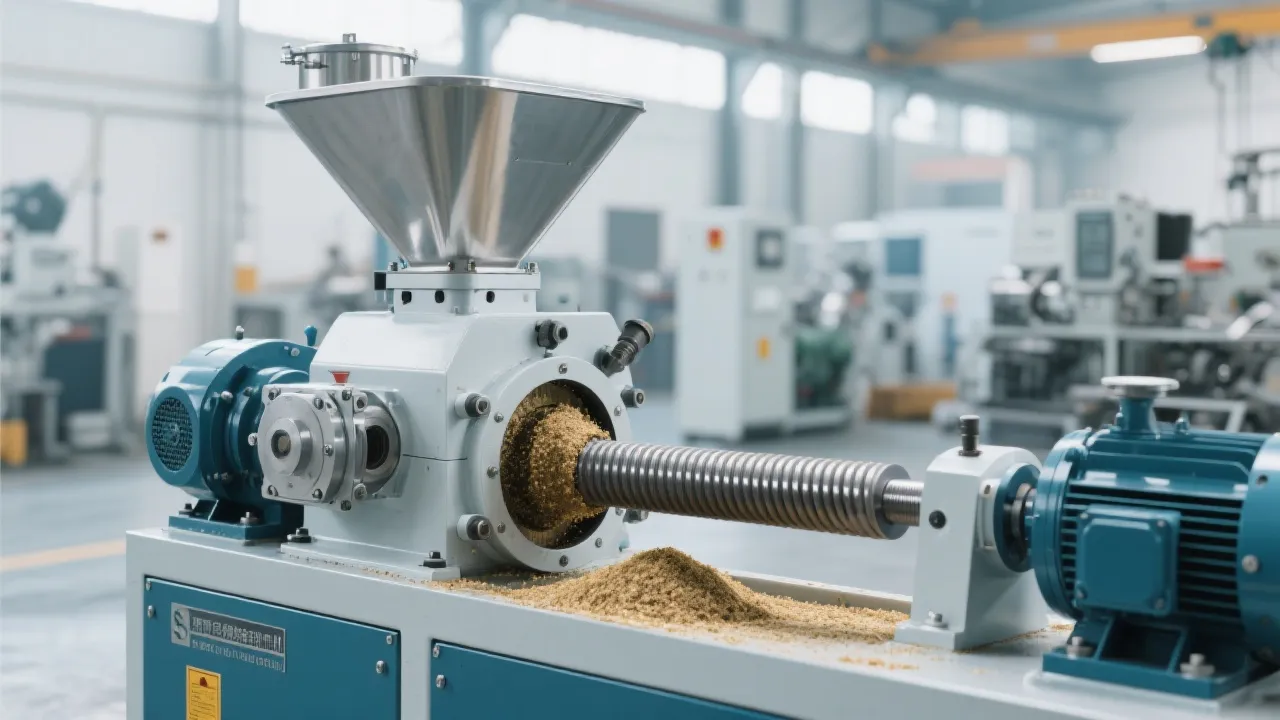
Physical pressing technology is the cornerstone of efficient oil extraction. By applying mechanical force, it squeezes oil out of raw materials without the use of chemical solvents. In small - scale settings, this method offers several advantages. For instance, it ensures a more natural and pure oil product, which is highly sought after in the market. Moreover, it reduces the risk of chemical residues, making it a safer choice for consumers.
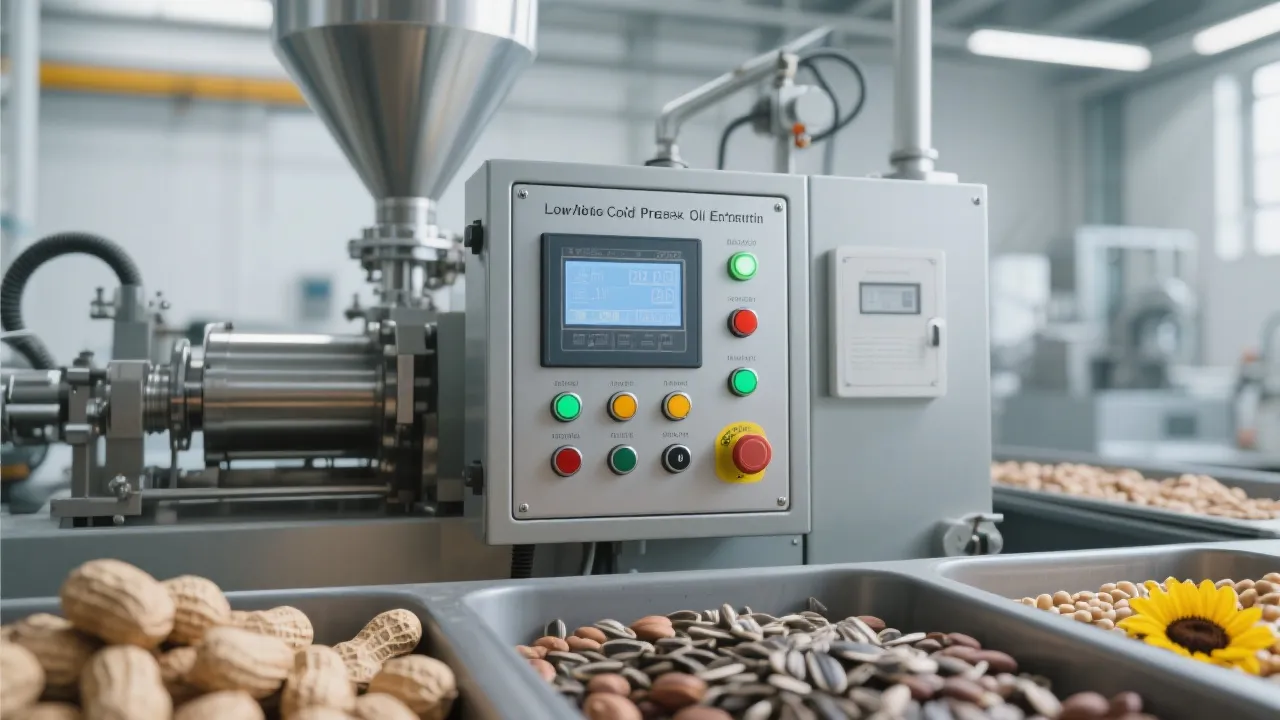
The choice between cold pressing and hot pressing can significantly impact your oil yield, oil purity, and energy consumption. Cold pressing is carried out at lower temperatures, typically below 60°C. This process preserves the natural nutrients and flavors of the oil, resulting in a higher - quality product. However, the oil yield is generally lower, around 10 - 15% less compared to hot pressing. On the other hand, hot pressing involves heating the raw materials before pressing. This softens the cell walls of the seeds, allowing for easier oil extraction. It can increase the oil yield by up to 30% or more, but it may also lead to a slight loss of some heat - sensitive nutrients. In terms of energy consumption, hot pressing usually consumes 20 - 30% more electricity due to the heating process.
Different raw materials have unique characteristics that require specific equipment settings. For example, peanuts with a higher moisture content need to be dried properly before pressing. If the moisture content is too high, it can not only reduce the oil yield but also cause the oil to become cloudy. Generally, peanuts should be dried to a moisture content of around 8 - 10%. As for the particle size, smaller particles can increase the contact area between the raw material and the pressing mechanism, leading to a higher oil yield. However, if the particles are too small, they may clog the filter system. By adjusting the feeding speed, pressing pressure, and other parameters according to the raw material characteristics, you can optimize the oil extraction process.
The multi - stage filtration system plays a crucial role in ensuring the purity of the extracted oil. It removes impurities such as solids, gums, and waxes from the oil. Regular maintenance of this system is essential for the long - term efficient operation of the oil press. You should clean the filters at least once a week, depending on the frequency of use. Replace the filter elements every 3 - 6 months to ensure optimal filtration performance. Do you ever encounter the problem of unclear filtered oil? If so, it might be time to check and maintain your filtration system.
Many users make mistakes when selecting oil presses, which can lead to sub - optimal performance. One common mistake is choosing a machine with insufficient capacity for the production volume. This can result in longer processing times and lower overall efficiency. Another mistake is ignoring the quality of the pressing components. Inferior components can wear out quickly, leading to frequent breakdowns and increased maintenance costs. By being aware of these common pitfalls, you can make a more informed decision when purchasing an oil press.
We've consulted industry engineers to get their professional opinions. They emphasize the importance of regular equipment maintenance and proper raw material preparation. According to them, by following the correct operating procedures and using high - quality raw materials, you can achieve consistent oil quality and high yields.
Are you ready to take your oil processing to the next level? With the knowledge and tips provided in this guide, you can easily master the secrets of high - efficiency oil extraction and bid farewell to inefficient operations. Let every single seed of your raw material be fully utilized. Click here to explore our range of high - performance peanut and sesame oil presses and start your journey towards higher profits and better - quality oil production!
 screw oil press working principle
dual spiral shaft meshing technology
peanut oil extraction rate
energy efficient oil press
cold and hot pressing adaptability
fully automatic oil press
cold and hot pressing technology
medium-scale oil mill solutions
energy-efficient oil extraction
oil yield optimization
spiral oil press wear-resistant materials
oil press component durability
hardness and toughness in machinery
oil press maintenance best practices
energy-efficient oil extraction equipment
screw oil press optimization
vertical cake discharge mechanism
segmented retaining cage design
cold pressing vs hot pressing
oil press maintenance reduction
vertical cake discharge mechanism
segmented bearing support
screw oil press efficiency
oil extraction optimization
international compliance in oil pressing
screw oil press working principle
dual spiral shaft meshing technology
peanut oil extraction rate
energy efficient oil press
cold and hot pressing adaptability
fully automatic oil press
cold and hot pressing technology
medium-scale oil mill solutions
energy-efficient oil extraction
oil yield optimization
spiral oil press wear-resistant materials
oil press component durability
hardness and toughness in machinery
oil press maintenance best practices
energy-efficient oil extraction equipment
screw oil press optimization
vertical cake discharge mechanism
segmented retaining cage design
cold pressing vs hot pressing
oil press maintenance reduction
vertical cake discharge mechanism
segmented bearing support
screw oil press efficiency
oil extraction optimization
international compliance in oil pressing






.png?x-oss-process=image/resize,h_100,m_lfit/format,webp)
.png?x-oss-process=image/resize,h_100,m_lfit/format,webp)
.png?x-oss-process=image/resize,h_100,m_lfit/format,webp)

.jpg?x-oss-process=image/resize,h_800,m_lfit/format,webp)