
.jpg?x-oss-process=image/resize,h_3000,m_lfit/format,webp)
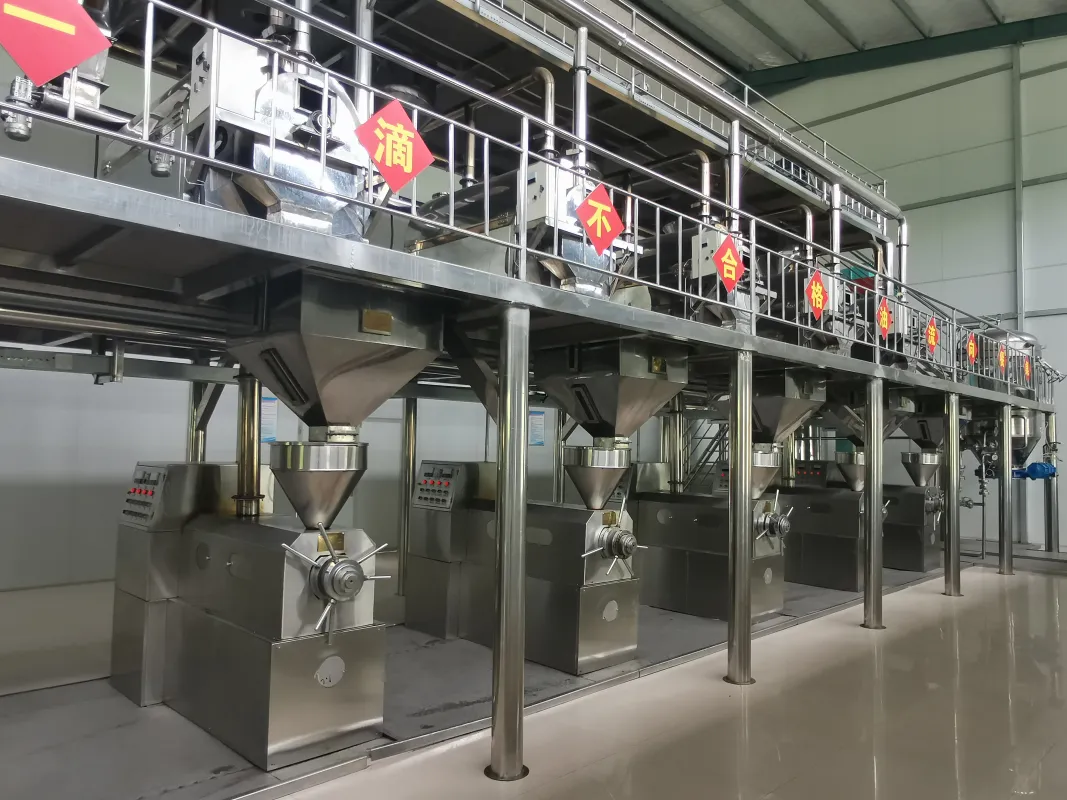
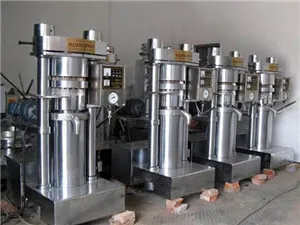
Are you looking for ways to operate an industrial rapeseed hydraulic oil press efficiently and reduce energy consumption? This guide will walk you through the entire operation process, from raw material pre - treatment to pressing control. By leveraging the advantages of high - pressure hydraulic technology and intelligent automatic control systems, you can improve the oil yield by more than 10% and reduce power consumption by about 15%, achieving energy - saving, cost - reduction, and stable production.
Proper raw material preparation is crucial for a successful pressing process. First, you need to control the moisture content of rapeseeds. The ideal moisture content should be around 8% - 10%. Too much moisture can lead to low oil yield and affect the quality of the oil, while too little moisture may cause the rapeseeds to be too dry and difficult to press. Second, you must clean the rapeseeds to remove impurities such as stones, dust, and other foreign objects. This can improve the efficiency of the oil press and protect the equipment from damage.
Technical Point: Maintaining the right moisture content and removing impurities can significantly improve the oil yield and the quality of the final product.
.jpg)
Before starting the oil press, you need to set the pressure and adjust the vacuum parameters. The appropriate pressure setting depends on the type of rapeseeds and the desired oil yield. Generally, a pressure range of 30 - 50 MPa is suitable for most rapeseed varieties. Adjusting the vacuum parameters can help remove air from the pressing chamber, which is beneficial for improving the oil extraction efficiency. Compared with traditional equipment, the Penguin Group industrial rapeseed hydraulic oil press can complete the startup and debugging process more quickly and accurately, thanks to its advanced intelligent control system.
Technical Point: Accurate pressure and vacuum parameter settings are key to achieving high - efficiency oil extraction.
During the pressing process, you need to monitor the oil temperature and the oil content in the residue in real - time. The optimal oil temperature is around 60 - 80°C. If the temperature is too high, it may cause the oil to oxidize and affect the quality; if the temperature is too low, the oil yield may be reduced. By monitoring the oil content in the residue, you can adjust the pressing process in time to ensure a high oil yield. The Penguin Group oil press is equipped with advanced sensors that can provide real - time data on these parameters, allowing you to make timely adjustments.
Technical Point: Real - time monitoring of oil temperature and residue oil content can help you optimize the pressing process and improve the oil yield.
.jpg)
After the pressing is completed, you need to detect the quality of the oil. You can refer to industry standards such as GB/T 1535 - 2017. Regular daily maintenance of the oil press is also essential. This includes cleaning the equipment, checking the hydraulic system, and lubricating the moving parts. The Penguin Group oil press features low - speed energy - saving technology and high - temperature - resistant components, which support stable operation and reduce the frequency of maintenance.
Technical Point: Regular oil quality detection and daily maintenance can ensure the long - term stable operation of the oil press and the quality of the oil.
Here is a checklist for your operation of the industrial rapeseed hydraulic oil press:
If you want to learn more about how to optimize your rapeseed oil production process and take advantage of the advanced features of the Penguin Group industrial rapeseed hydraulic oil press, click here to explore further solutions.
 peanut sesame oil press machine
physical oil pressing technology
cold press vs hot press
small workshop oil extraction
home oil processing solutions
compact oil press machine
multi-seed oil extraction
small space oil mill
modular oil processing equipment
flexible oilseed compatibility
automatic oil press machine
cold and hot press technology
edible oil production efficiency
energy-saving oil extraction equipment
multi-stage filtration system
compact oil press machine
small space oil processing
family oil mill equipment
oil extraction efficiency
multi-material oil press
automatic oil press machine
cold and hot press oil extraction
small oil mill equipment
energy-efficient oil processing
oil seed pressing technology
peanut sesame oil press machine
physical oil pressing technology
cold press vs hot press
small workshop oil extraction
home oil processing solutions
compact oil press machine
multi-seed oil extraction
small space oil mill
modular oil processing equipment
flexible oilseed compatibility
automatic oil press machine
cold and hot press technology
edible oil production efficiency
energy-saving oil extraction equipment
multi-stage filtration system
compact oil press machine
small space oil processing
family oil mill equipment
oil extraction efficiency
multi-material oil press
automatic oil press machine
cold and hot press oil extraction
small oil mill equipment
energy-efficient oil processing
oil seed pressing technology
.jpg?x-oss-process=image/resize,h_800,m_lfit/format,webp)



.jpg?x-oss-process=image/resize,h_800,m_lfit/format,webp)
.jpg?x-oss-process=image/resize,h_800,m_lfit/format,webp)
.jpg?x-oss-process=image/resize,h_800,m_lfit/format,webp)


.png?x-oss-process=image/resize,h_100,m_lfit/format,webp)
.png?x-oss-process=image/resize,h_100,m_lfit/format,webp)
.png?x-oss-process=image/resize,h_100,m_lfit/format,webp)



.jpg?x-oss-process=image/resize,m_fill,h_800,w_800/format,webp)