

In the realm of vegetable oil production, the industrial rapeseed hydraulic oil press plays a crucial role. This article, brought to you by the Penguin Group, delves into the full - process operation of this equipment, aiming to help technicians and managers enhance oil output, ensure oil quality, and reduce production energy consumption.
The pretreatment of raw materials has a significant impact on oil extraction efficiency. For rapeseed, moisture control and impurity cleaning are two key aspects. Research shows that rapeseed with a moisture content of around 8% - 10% can achieve an optimal oil - extraction rate. When the moisture is too high, it can lead to lower oil yield and affect the quality of the oil. As for impurity cleaning, removing debris, stones, and other foreign objects can prevent damage to the oil press and improve the overall quality of the oil.
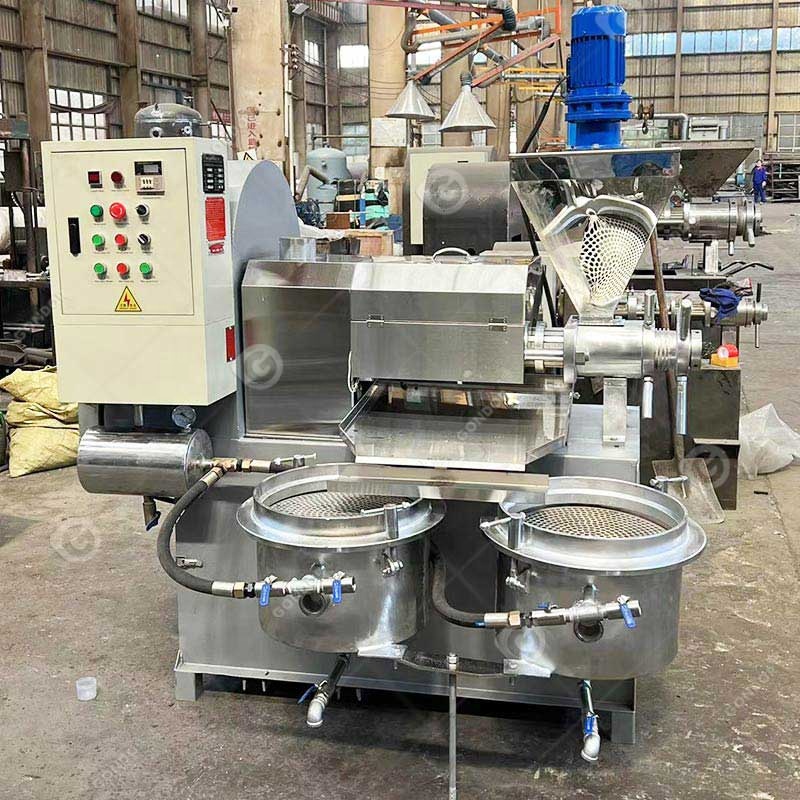
During the startup and debugging phase, setting the key parameters correctly is essential. The pressure adjustment of the hydraulic system and the regulation of the vacuum filtration system are critical. For example, the optimal pressure for the hydraulic system in the rapeseed oil press is usually between 30 - 40 MPa. Incorrect parameter settings can lead to low oil output or even equipment damage. Here is an example of an incorrect operation: a factory once set the pressure too high, which not only damaged the hydraulic components but also caused the oil to have a burnt smell.
Real - time monitoring during the pressing process is vital. Technicians need to keep an eye on the oil temperature, oil output rate, and the oil content in the residue. Generally, the suitable oil temperature during the pressing process is around 60 - 80°C. By monitoring these parameters, users can optimize production energy efficiency. For instance, if the oil output rate suddenly drops, it may indicate a problem with the equipment or the raw materials.
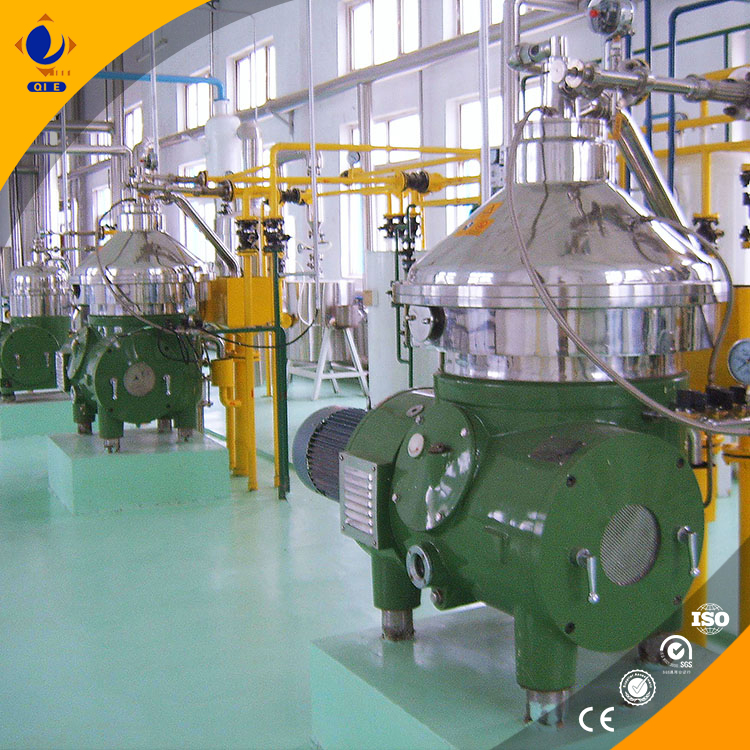
There are several sensory determination methods for oil quality. The color, smell, and clarity of the oil can reflect its quality. High - quality rapeseed oil should have a golden - yellow color, a pleasant smell, and be clear without impurities. Regularly checking the oil quality can ensure that the final product meets the industry standards.
Proper maintenance can extend the service life of the equipment. Regularly cleaning the equipment, checking the hydraulic system, and replacing worn - out parts are necessary steps. For example, the hydraulic oil should be replaced every 6 - 12 months depending on the usage frequency.
.jpg)
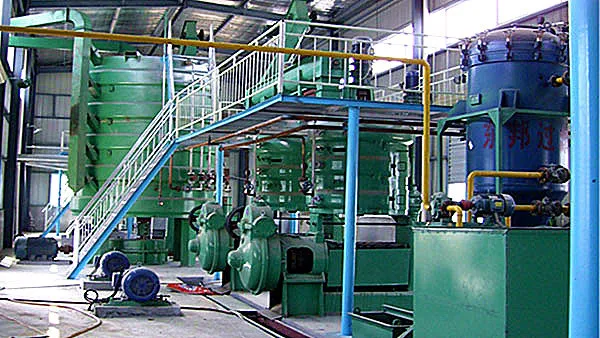
The industrial rapeseed hydraulic oil press from the Penguin Group is equipped with advanced high - pressure hydraulic technology and a vacuum filtration system. These technologies not only improve the oil output rate but also save energy. Compared with traditional oil presses, it can reduce energy consumption by about 20% - 30%. User feedback shows that many factories have achieved significant cost savings after using this equipment.
If you are looking for a high - efficiency and energy - saving rapeseed oil press solution, click here to learn more about the industrial rapeseed hydraulic oil press from the Penguin Group.
 oil press maintenance
energy-saving tips
extend machine lifespan
household oil press cleaning
prevent oil press jamming
multi-stage oil filtration system
edible oil refining process
oil purification technology
production efficiency in oil processing
energy-efficient oil press machine
rural oil processing energy - saving transformation
small soybean oil press power - saving solutions
oil processing power - saving tips
energy - saving equipment selection for small and medium - sized oil mills
application of screw pressing technology
fully automatic oil press
hot and cold pressing technology
medium - sized edible oil production
energy - saving oil - pressing equipment
oilseed pressing mode selection
cold pressing technology
hot pressing technology
oilseed expeller
edible oil production
energy-efficient oil extraction
oil press maintenance
energy-saving tips
extend machine lifespan
household oil press cleaning
prevent oil press jamming
multi-stage oil filtration system
edible oil refining process
oil purification technology
production efficiency in oil processing
energy-efficient oil press machine
rural oil processing energy - saving transformation
small soybean oil press power - saving solutions
oil processing power - saving tips
energy - saving equipment selection for small and medium - sized oil mills
application of screw pressing technology
fully automatic oil press
hot and cold pressing technology
medium - sized edible oil production
energy - saving oil - pressing equipment
oilseed pressing mode selection
cold pressing technology
hot pressing technology
oilseed expeller
edible oil production
energy-efficient oil extraction




.jpg?x-oss-process=image/resize,h_800,m_lfit/format,webp)


.png?x-oss-process=image/resize,h_100,m_lfit/format,webp)
.png?x-oss-process=image/resize,h_100,m_lfit/format,webp)
.png?x-oss-process=image/resize,h_100,m_lfit/format,webp)

.jpg?x-oss-process=image/resize,m_fill,h_800,w_800/format,webp)