
.jpg?x-oss-process=image/resize,h_3000,m_lfit/format,webp)
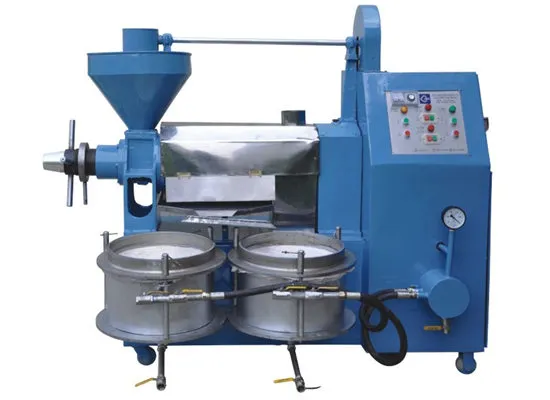
In the process of using the Penguin Group industrial rapeseed hydraulic oil press, proper raw material preparation is the first crucial step. The moisture content of rapeseeds significantly affects the pressing efficiency and the flavor of the final oil. Generally, the optimal moisture content of rapeseeds should be maintained between 8% - 12%. If the moisture content is too high, it will reduce the pressing efficiency, and the oil may have an unpleasant odor. On the other hand, if the moisture content is too low, the oil yield will decrease. For example, when the moisture content is above 15%, the pressing efficiency may drop by about 10% compared to the optimal state, and the energy consumption will increase by about 15%.
Additionally, thoroughly cleaning impurities from rapeseeds is essential. Impurities not only damage the press components but also affect the oil quality. You should ensure that the impurity content of raw materials is less than 1%. By doing so, you can effectively reduce mechanical wear and improve the oil quality.
.jpg)
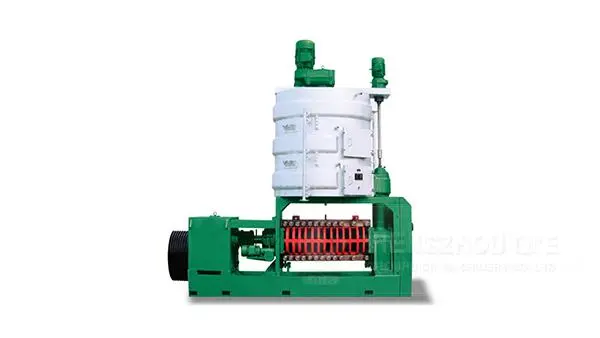
Before starting the press, accurate setting of hydraulic pressure and vacuum parameters is vital. The appropriate hydraulic pressure for the Penguin Group industrial rapeseed hydraulic oil press usually ranges from 30 - 50 MPa. If the pressure is too low, the oil yield will be insufficient; if it is too high, it may cause damage to the equipment. For instance, when the pressure exceeds 60 MPa, the risk of equipment failure may increase by about 20%.
When adjusting vacuum parameters, the vacuum degree should be maintained at around -0.08 - -0.09 MPa. This can effectively remove air and moisture in the oil, improving the oil quality. A common mistake during debugging is setting the pressure and vacuum parameters without referring to the equipment's operating manual, which can lead to sub - optimal performance or even equipment damage.
During the pressing process, real - time monitoring of oil temperature, residue oil content, and oil yield is necessary to optimize unit energy consumption output. The ideal oil temperature should be controlled between 60 - 80°C. If the temperature is too high, it may cause the oil to deteriorate; if it is too low, the fluidity of the oil will be poor, affecting the oil yield. The Penguin Group oil press is equipped with a high - precision temperature sensor, which can ensure accurate temperature control.
Regularly check the residue oil content. Generally, the residue oil content after pressing should be less than 7%. If the residue oil content is too high, it indicates that the pressing efficiency is low, and you may need to adjust the pressing parameters. By optimizing the pressing process, you can increase the oil yield by about 5 - 8% while reducing energy consumption by about 10%.
.jpg)
After pressing, use the sensory judgment method to detect the oil quality. Observe the color, smell, and clarity of the oil. High - quality rapeseed oil should have a clear and transparent appearance, a mild rapeseed flavor, and no peculiar smell. In addition, regular maintenance of the oil press is essential. For example, lubricate moving parts every 20 working hours and replace worn - out parts every 3 - 6 months. This can effectively extend the service life of the equipment.
The Penguin Group industrial rapeseed hydraulic oil press features a low - speed design, which can reduce mechanical wear and energy consumption. Low - speed operation can reduce energy consumption by about 15% compared to high - speed operation.合理分配负载 and manage motor heat are also important energy - saving measures. For example, avoid overloading the equipment and ensure good ventilation of the motor to prevent overheating.
When operating the industrial rapeseed hydraulic oil press, it is necessary to comply with relevant industry standards, such as GB/T 1535 - 2017. Adhering to industry standards can ensure the quality and safety of the oil production process.
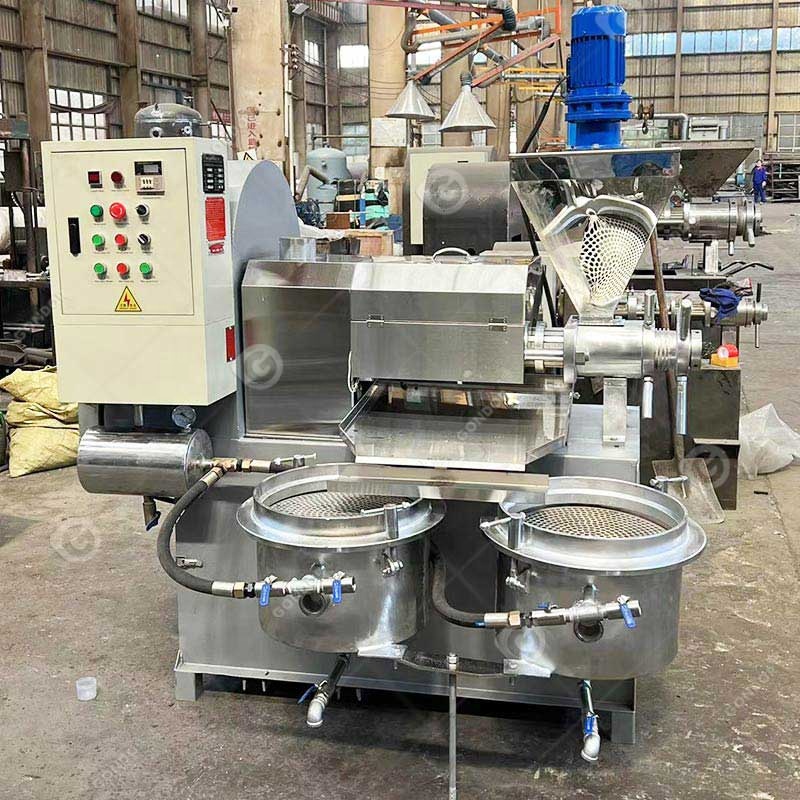
Discover more about the Penguin Group industrial rapeseed hydraulic oil press and take your rapeseed oil production to the next level. Click here to learn more.
 Screw pressing technology
Soybean oil yield improvement
Energy - saving oil press principle
Small and medium - sized oil mill oil press
Vegetable oil processing
Energy - saving oil press
Small soybean oil press
Rural oil processing equipment
Energy - saving transformation of small - medium oil mills
Screw pressing technology
automatic oil press machine
cold and hot press oil expeller
edible oil production equipment
small to medium oil mill solution
energy-efficient oil extraction
Physical pressing
Food - grade oils
Additive - free soybean oil
Screw pressing technology
Oil press energy - saving
Peanut and sesame oil press selection
High - efficiency oil pressing equipment
Physical pressing technology
Home oil processing solutions
Judging the efficiency of oil presses
Screw pressing technology
Soybean oil yield improvement
Energy - saving oil press principle
Small and medium - sized oil mill oil press
Vegetable oil processing
Energy - saving oil press
Small soybean oil press
Rural oil processing equipment
Energy - saving transformation of small - medium oil mills
Screw pressing technology
automatic oil press machine
cold and hot press oil expeller
edible oil production equipment
small to medium oil mill solution
energy-efficient oil extraction
Physical pressing
Food - grade oils
Additive - free soybean oil
Screw pressing technology
Oil press energy - saving
Peanut and sesame oil press selection
High - efficiency oil pressing equipment
Physical pressing technology
Home oil processing solutions
Judging the efficiency of oil presses

.jpg?x-oss-process=image/resize,h_800,m_lfit/format,webp)
.jpg?x-oss-process=image/resize,h_800,m_lfit/format,webp)



.jpg?x-oss-process=image/resize,h_800,m_lfit/format,webp)


.png?x-oss-process=image/resize,h_100,m_lfit/format,webp)
.png?x-oss-process=image/resize,h_100,m_lfit/format,webp)
.png?x-oss-process=image/resize,h_100,m_lfit/format,webp)

.jpg?x-oss-process=image/resize,m_fill,h_800,w_800/format,webp)