In the realm of edible oil production, the choice between cold and hot pressing oil extraction processes significantly impacts the quality and quantity of the final product. This article aims to provide a comprehensive analysis of these two processes, offering practical insights for small and medium - sized edible oil enterprises.
Let's first understand the basic principles of these two processes. Cold pressing involves extracting oil at a relatively low temperature, typically below 60°C. This gentle process helps to preserve the natural nutrients and flavors of the oilseeds. On the other hand, hot pressing uses higher temperatures, usually between 100 - 120°C, to increase the oil release rate.
The temperature difference between cold and hot pressing directly affects the oil extraction mechanism. In cold pressing, the low temperature slows down the chemical reactions within the oilseeds, preventing the degradation of nutrients such as vitamins, antioxidants, and essential fatty acids. For example, cold - pressed olive oil can retain up to 90% of its natural antioxidants, compared to only 60% in hot - pressed olive oil.
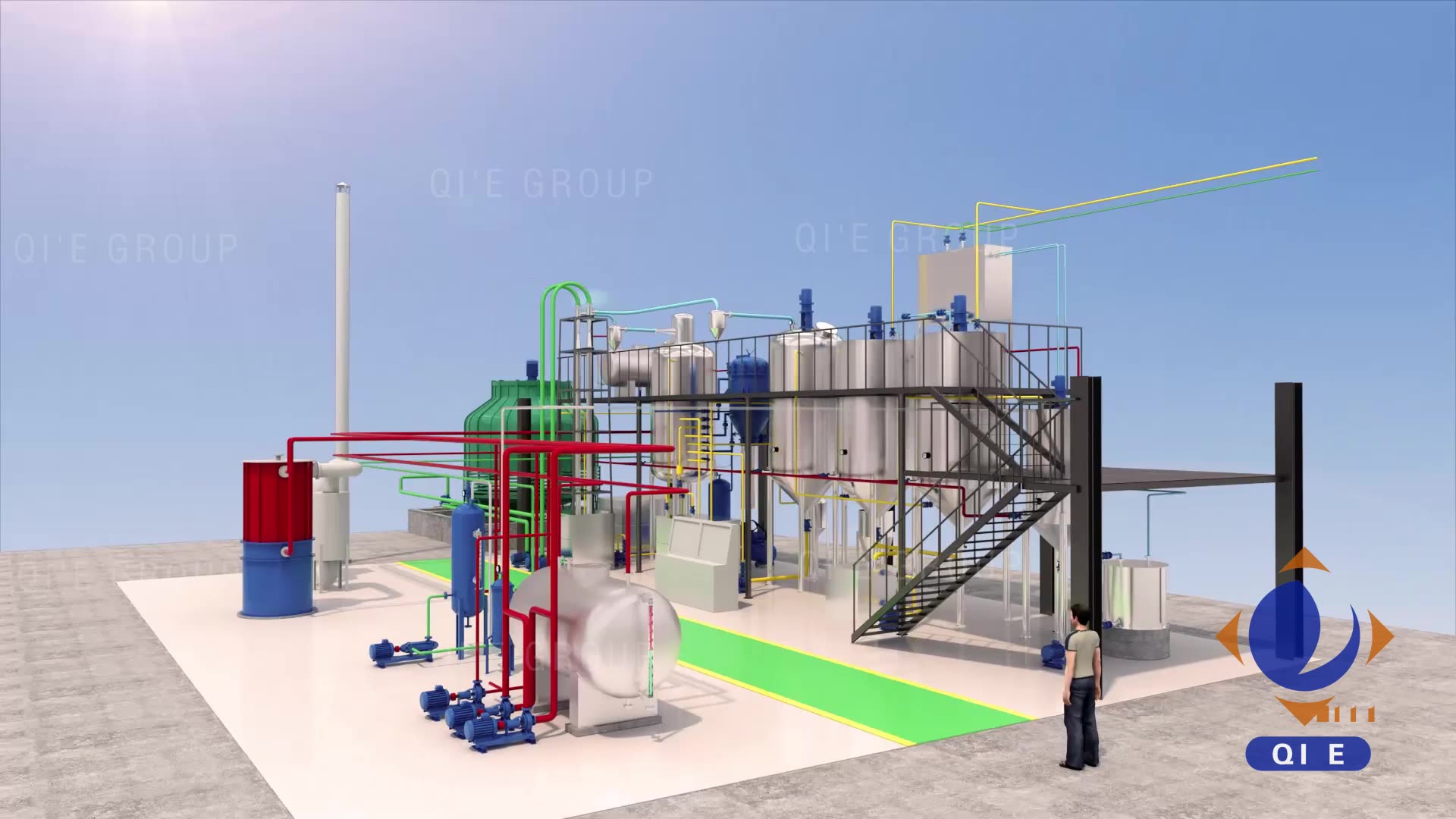
Hot pressing, however, breaks down the cell walls of the oilseeds more effectively, leading to a higher oil release rate. On average, hot pressing can increase the oil yield by 10 - 15% compared to cold pressing. But this comes at the cost of some nutrient loss.
Nutrient Retention: Cold pressing is the clear winner in terms of nutrient retention. As mentioned earlier, it can preserve a higher percentage of vitamins and antioxidants. This makes cold - pressed oils more appealing to health - conscious consumers.
Oil Yield: Hot pressing offers a significant advantage in oil yield. For small and medium - sized enterprises looking to maximize production, hot pressing can be a more suitable choice.
Energy Consumption: Cold pressing generally consumes less energy as it operates at lower temperatures. In contrast, hot pressing requires more energy to heat the oilseeds, which can increase production costs.
Equipment Maintenance: Cold - pressing equipment is often less complex and easier to maintain. Hot - pressing equipment, due to the high - temperature operation, may require more frequent maintenance and replacement of parts.
Based on the above analysis, small and medium - sized edible oil enterprises need to make a careful choice between cold and hot pressing. If the target market is focused on high - end, health - conscious consumers, cold pressing may be the better option. For example, a small - scale olive oil producer targeting the European market, where consumers value natural and nutrient - rich products, should consider cold pressing.
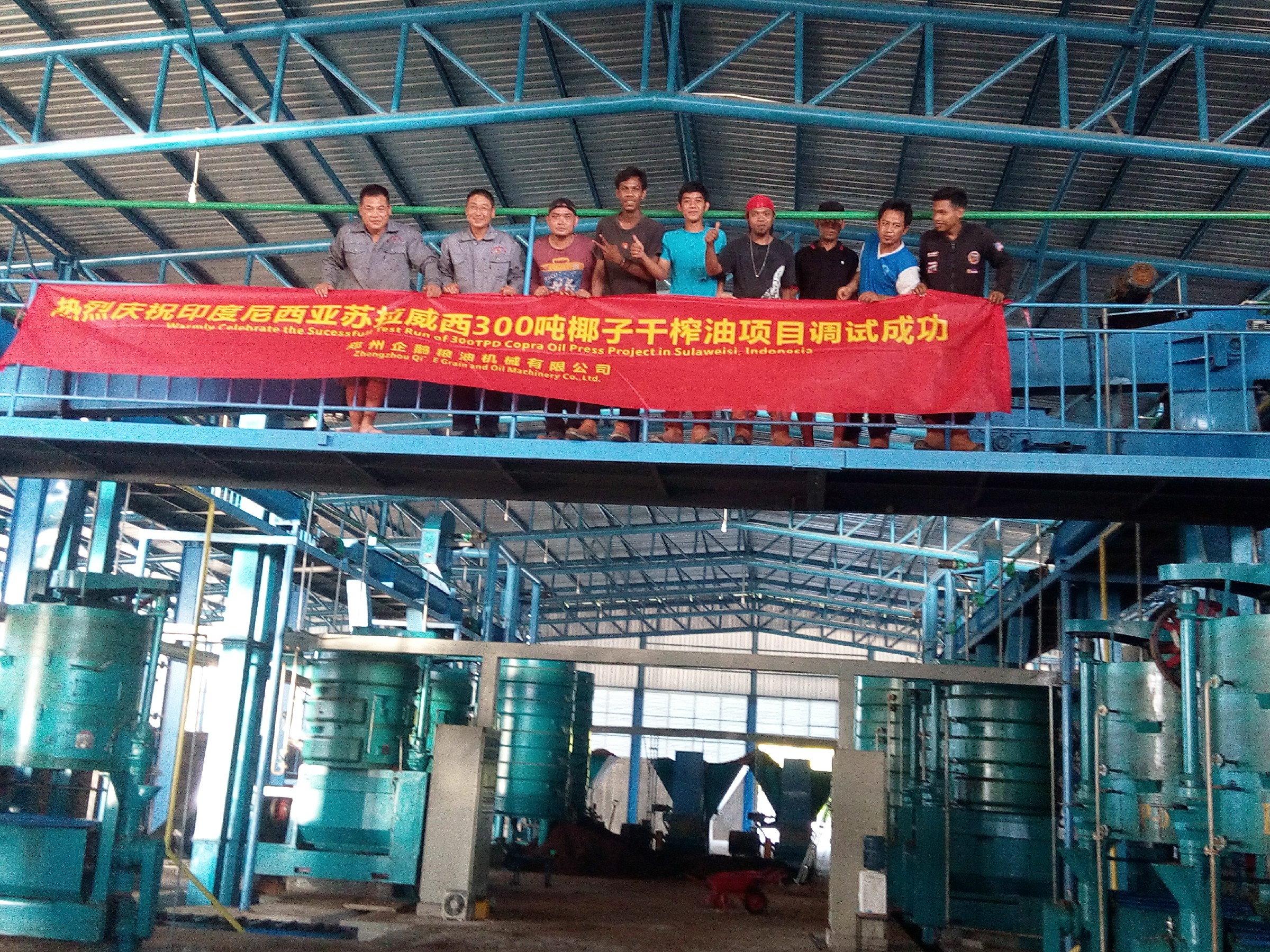
On the other hand, if the enterprise aims to increase market share through high - volume production, hot pressing can be more appropriate. A medium - sized soybean oil producer supplying large supermarkets may benefit from the higher oil yield of hot pressing.
To enhance user engagement, here are some common questions and answers:
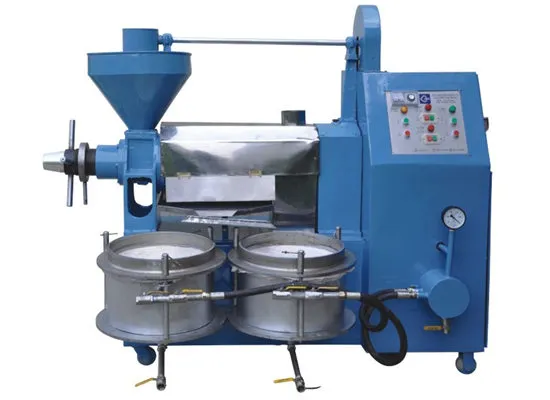
At the end of this exploration, we'd like to introduce our company's fully automatic cold and hot oilseed press. This advanced machine is designed to meet the diverse needs of small and medium - sized edible oil enterprises. It can efficiently extract high - quality oil using both cold and hot pressing methods, helping your business enhance productivity and product quality. Click here to learn more.


.png?x-oss-process=image/resize,h_100,m_lfit/format,webp)
.png?x-oss-process=image/resize,h_100,m_lfit/format,webp)
.png?x-oss-process=image/resize,h_100,m_lfit/format,webp)