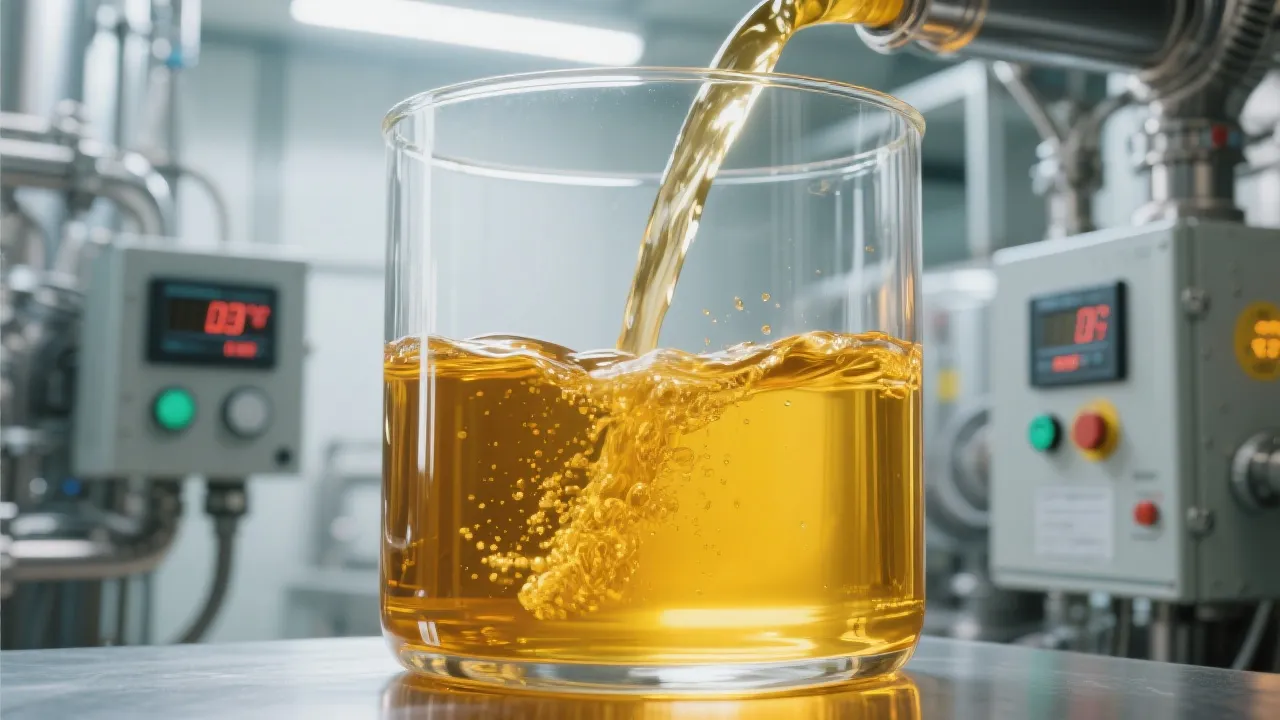
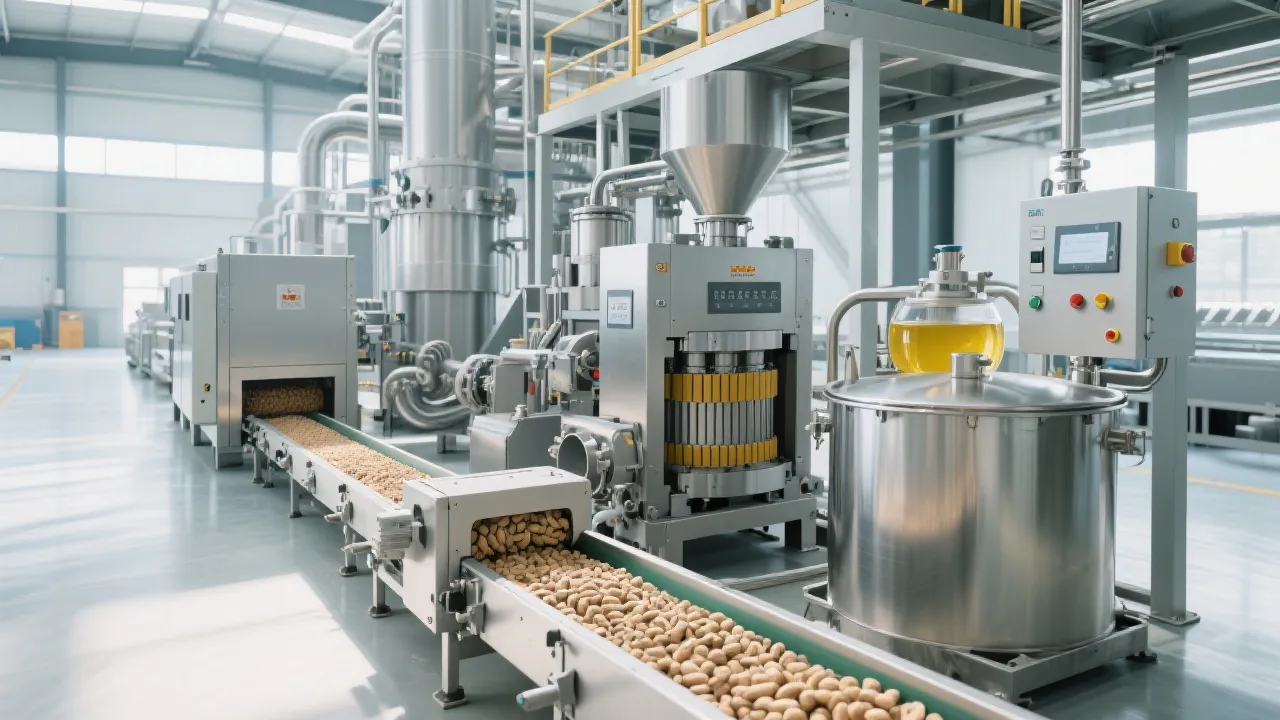
In today’s competitive edible oil market, mid-sized producers face a constant pressure to reduce operational costs while maintaining or improving product quality. One often overlooked yet highly impactful solution lies in upgrading to a multi-stage filtration system. This technology isn’t just about cleaner oil—it’s a strategic lever for reducing downtime, cutting labor expenses, and enhancing overall production efficiency.
Industry Insight: Over 65% of mid-sized edible oil plants report unplanned maintenance due to clogged filters or inconsistent filtration—costing an average of $8,000–$12,000 per incident in lost production time.
A typical multi-stage filtration process includes three key stages:
By systematically removing contaminants at each level, this method ensures oil purity without overloading any single filter stage—leading to longer equipment life and fewer replacements.
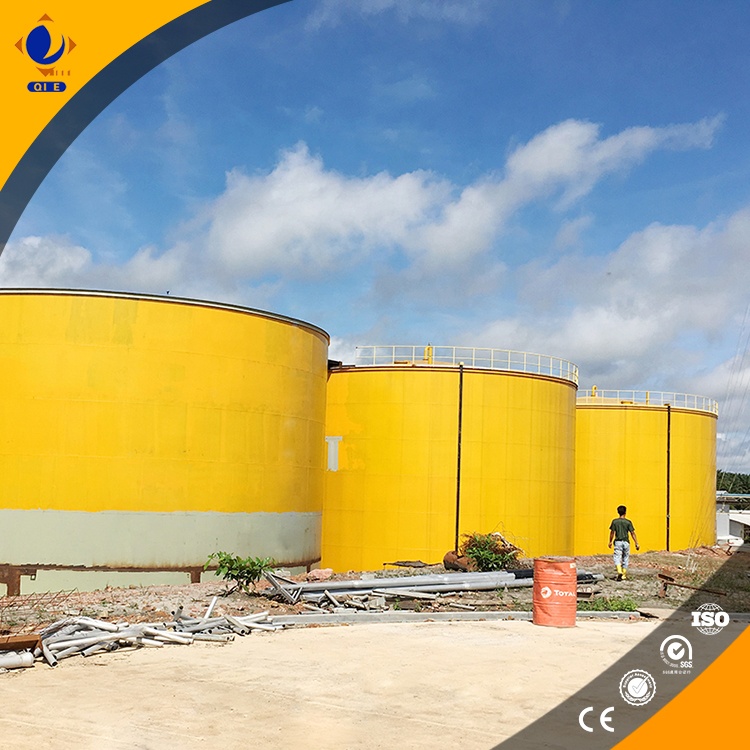
According to field data from over 30 mid-sized edible oil processors who adopted multi-stage systems:
These results translate directly into higher throughput and better margins—especially critical for companies operating on tight profit margins.
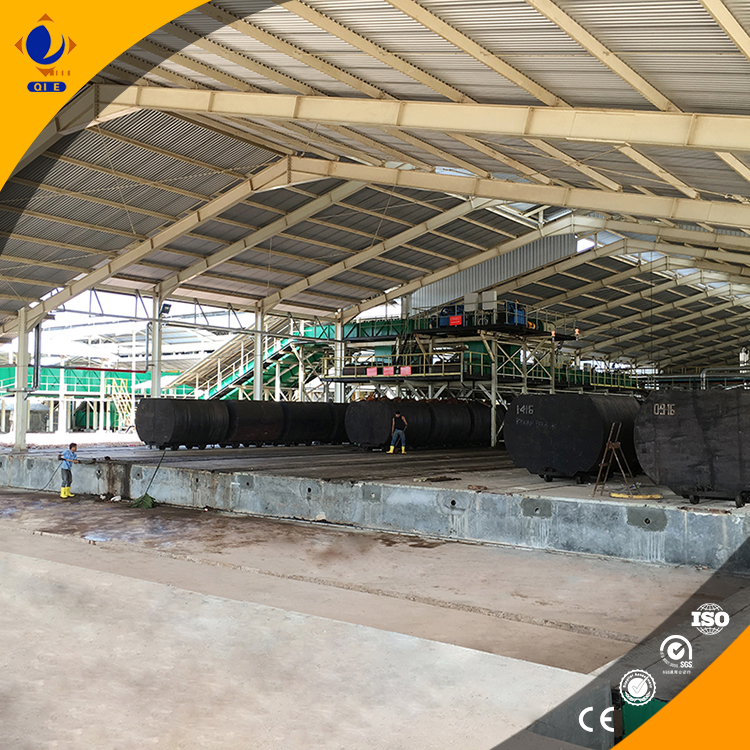
Moreover, consistent oil clarity and reduced sediment not only meet international standards (like ISO 29170) but also enhance brand reputation among B2B buyers looking for reliable, high-quality suppliers.
As global buyers increasingly demand transparency and sustainability, efficient filtration becomes more than just a technical upgrade—it’s a value proposition. Companies that invest early in smart filtration gain first-mover advantages in export markets where quality consistency is non-negotiable.
CTA Callout:
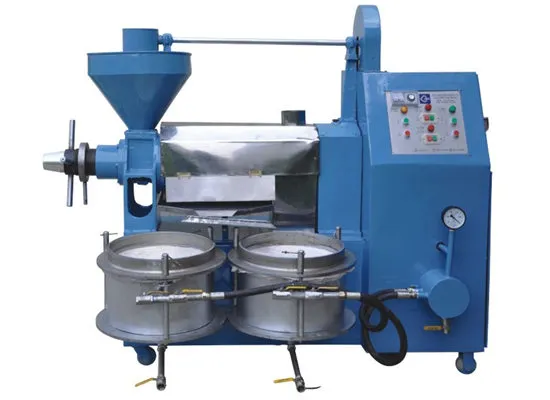
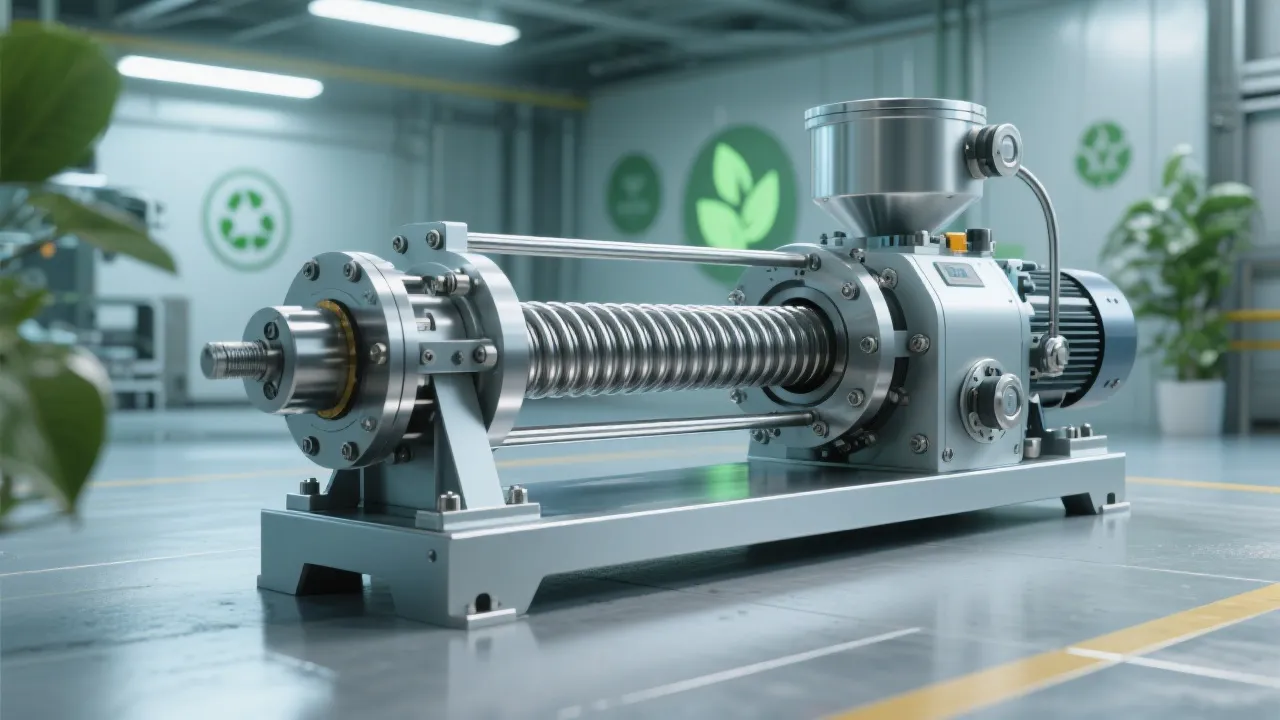
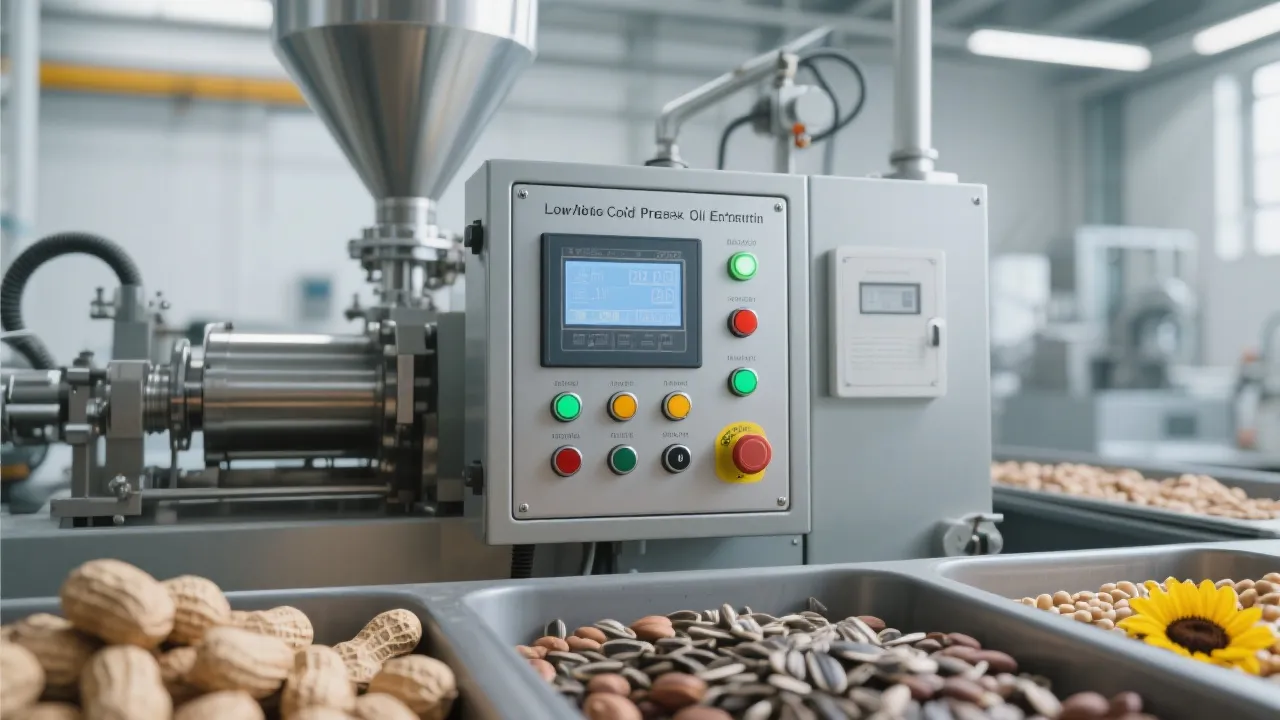
Want to transform your edible oil production line with intelligent, low-maintenance filtration? Explore Our Energy-Efficient Cold & Hot Press Oil Machines
 segmented cage
vertical cake discharge
efficient oil discharge
spiral oil press stability
hot and cold pressing optimization
Cold pressing technology advantages and disadvantages
Comparison of hot pressing oil processes
Cold and hot press dual-mode oil press
Selection of edible oil production equipment
High-efficiency oil press recommendation
Cold-pressing technology pros and cons
Comparison of hot-pressing oil extraction process
Cold-pressing oil press
Edible oil production process
Fully automatic oil press
spiral oil press machine design
dual screw intermeshing technology
efficient oil extraction rate
cold press vs hot press oil extraction
self-cleaning oil press
spiral oil press
dual spiral shaft technology
high-efficiency oil extraction
cold and hot pressing
oil press maintenance
segmented cage
vertical cake discharge
efficient oil discharge
spiral oil press stability
hot and cold pressing optimization
Cold pressing technology advantages and disadvantages
Comparison of hot pressing oil processes
Cold and hot press dual-mode oil press
Selection of edible oil production equipment
High-efficiency oil press recommendation
Cold-pressing technology pros and cons
Comparison of hot-pressing oil extraction process
Cold-pressing oil press
Edible oil production process
Fully automatic oil press
spiral oil press machine design
dual screw intermeshing technology
efficient oil extraction rate
cold press vs hot press oil extraction
self-cleaning oil press
spiral oil press
dual spiral shaft technology
high-efficiency oil extraction
cold and hot pressing
oil press maintenance


.jpg?x-oss-process=image/resize,h_800,m_lfit/format,webp)



.png?x-oss-process=image/resize,h_100,m_lfit/format,webp)
.png?x-oss-process=image/resize,h_100,m_lfit/format,webp)
.png?x-oss-process=image/resize,h_100,m_lfit/format,webp)