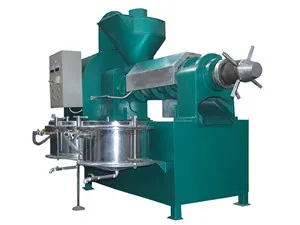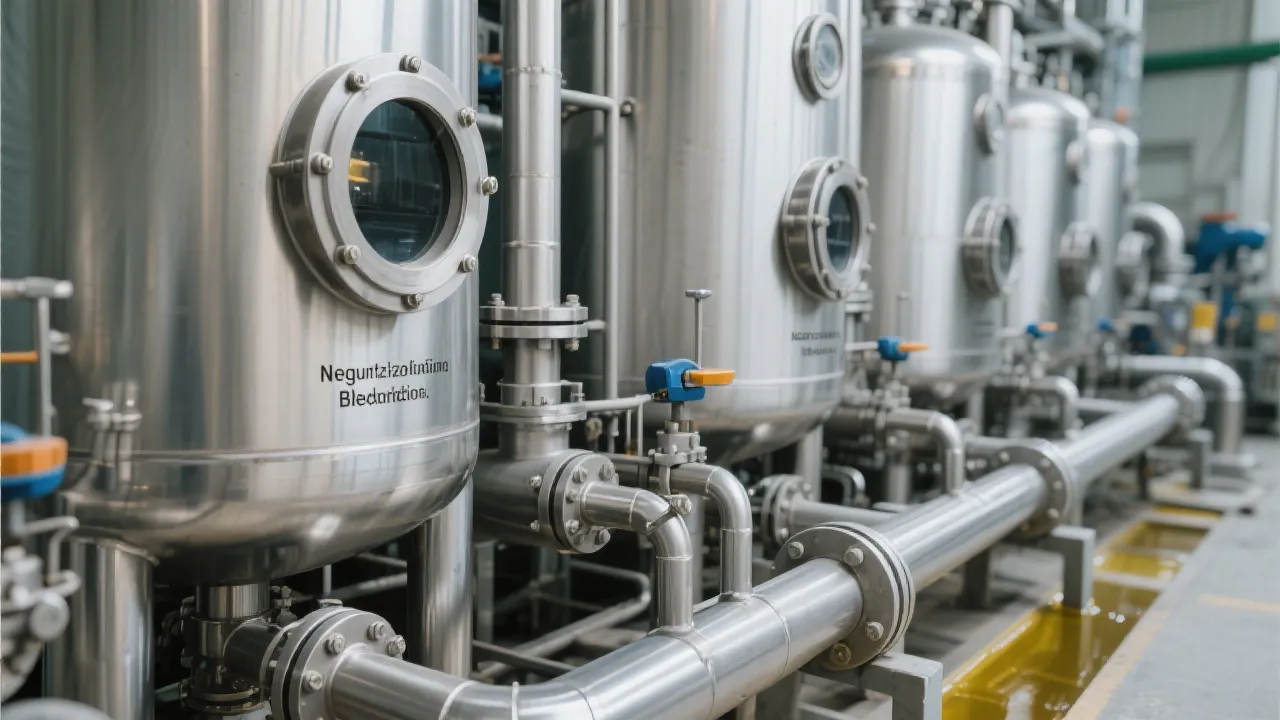
In today’s competitive edible oil market, quality isn’t just about purity—it’s about preserving flavor, nutrients, and shelf life. For mid-sized producers aiming to scale sustainably, adopting a multi-stage filtration system can be the difference between stagnation and growth.
Unlike single-pass filters that remove only large particles, multi-stage systems use sequential stages—coarse, fine, and activated carbon—to target contaminants at different levels. According to industry data from the International Association of Oilseed Processors (IAOP), this method increases oil clarity by up to 92% compared to traditional methods while reducing free fatty acid content by 15–20%. The result? Cleaner oil with better taste, fewer odors, and improved stability during storage.
| Stage | Purpose | Typical Efficiency |
|---|---|---|
| Coarse Filter | Removes debris, seeds, and sediment | ~75% |
| Fine Filter | Captures colloidal impurities | ~85% |
| Activated Carbon | Eliminates odor-causing compounds | ~90% |
More importantly, these systems help retain heat-sensitive nutrients like vitamin E and polyphenols—key factors in premium oil branding. A case study from a Malaysian palm oil processor showed a 12% increase in tocopherol retention after switching to a 3-stage filtration setup, directly boosting consumer perception of “natural” and “healthy” qualities.
For plant managers, efficiency is equally critical. Multi-stage filters reduce downtime by minimizing clogging—a common issue in older systems. One Indian sunflower oil facility reported a 40% drop in maintenance calls within six months post-installation. Additionally, automated controls cut labor costs by an estimated 25%, freeing staff for higher-value tasks such as quality checks or process optimization.
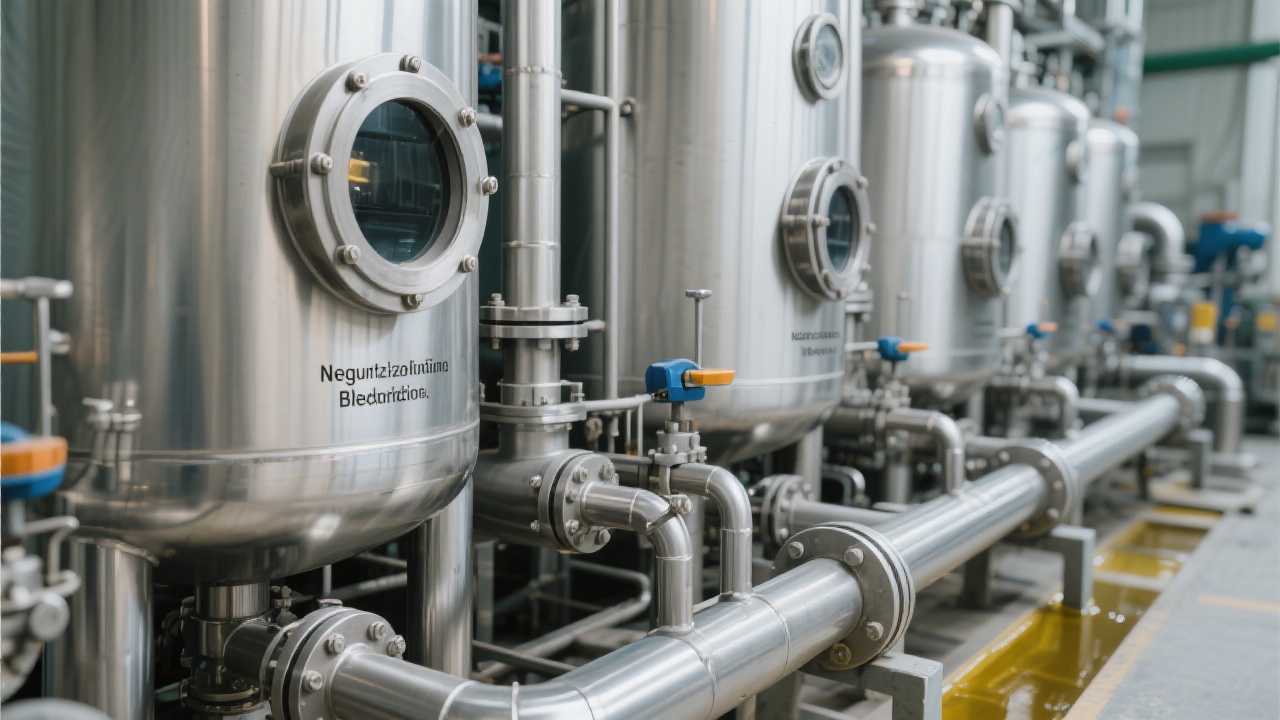
What makes this technology especially appealing to growing manufacturers is its scalability. Whether you’re producing 5 tons or 50 tons per day, modular designs allow seamless integration without overhauling your entire line.
If you're serious about improving consistency, reducing waste, and standing out in a crowded global market, it's time to explore how advanced filtration can become part of your production DNA—not just a one-time upgrade.
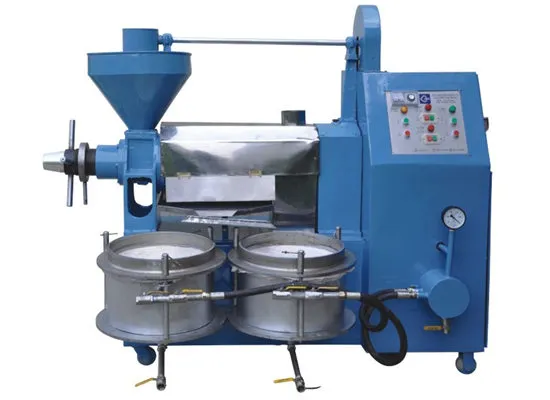
Discover how our energy-efficient榨油机 equipment delivers superior filtration performance—without compromising on cost or ease of operation.
Explore Energy-Efficient Oil Press Solutions


.png?x-oss-process=image/resize,h_100,m_lfit/format,webp)
.png?x-oss-process=image/resize,h_100,m_lfit/format,webp)
.png?x-oss-process=image/resize,h_100,m_lfit/format,webp)