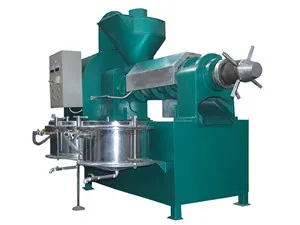
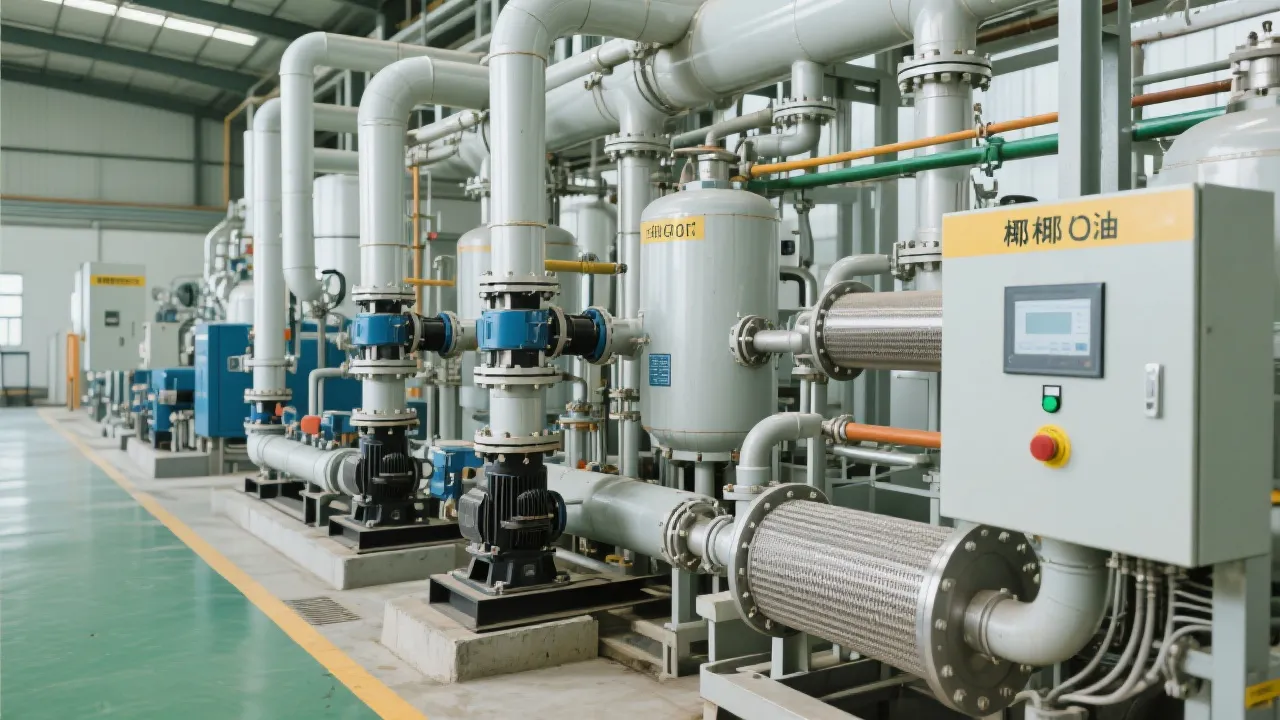
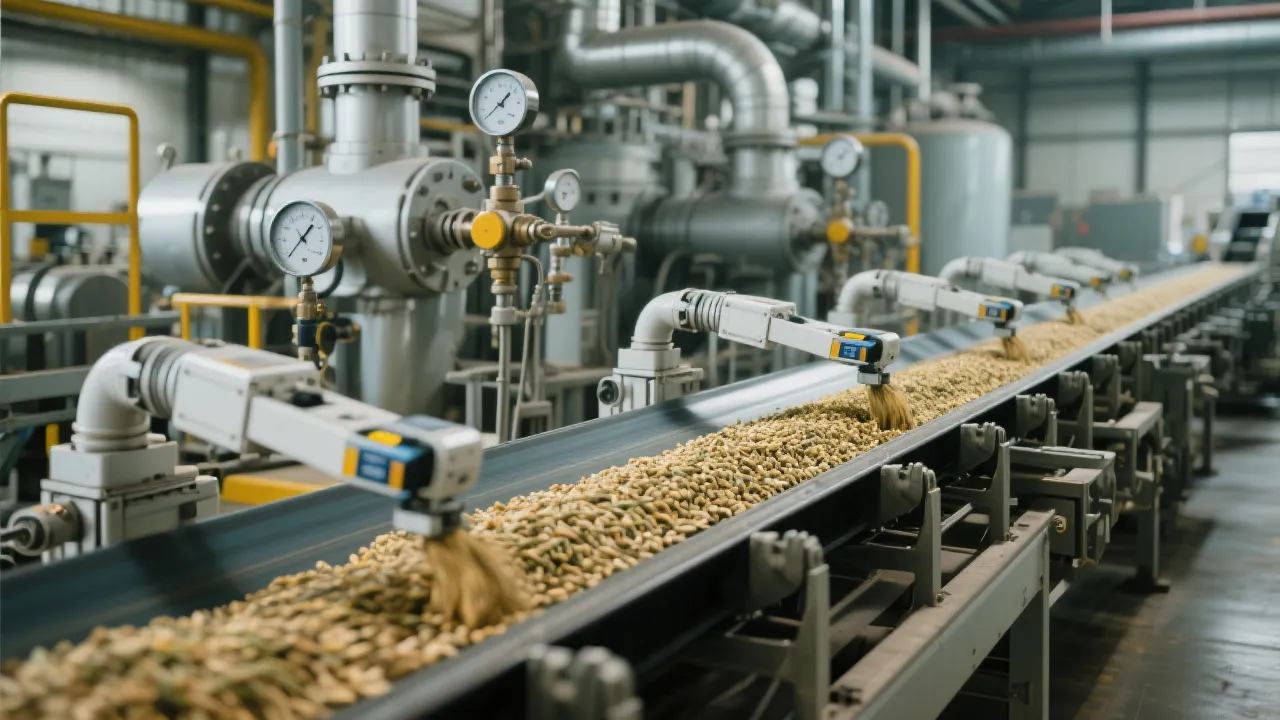
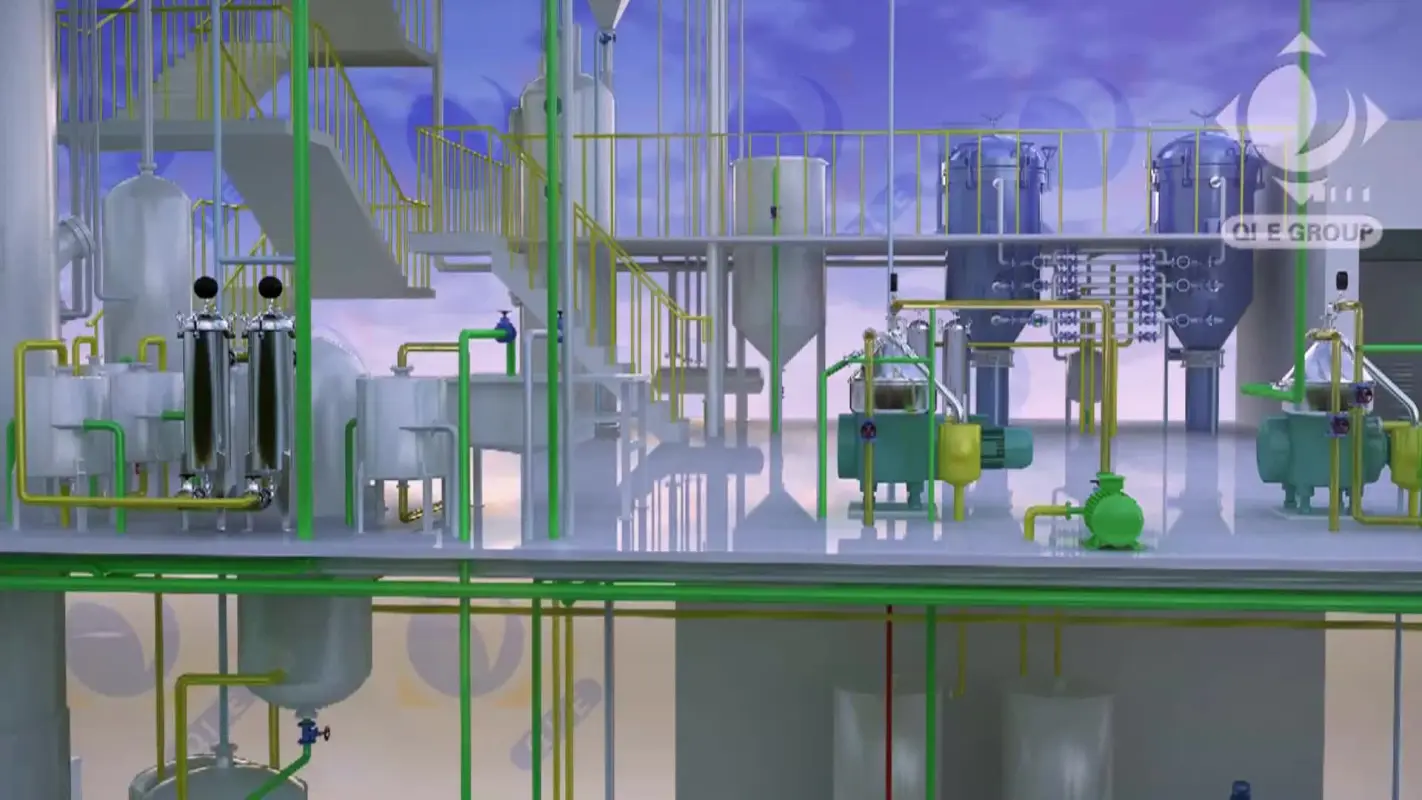
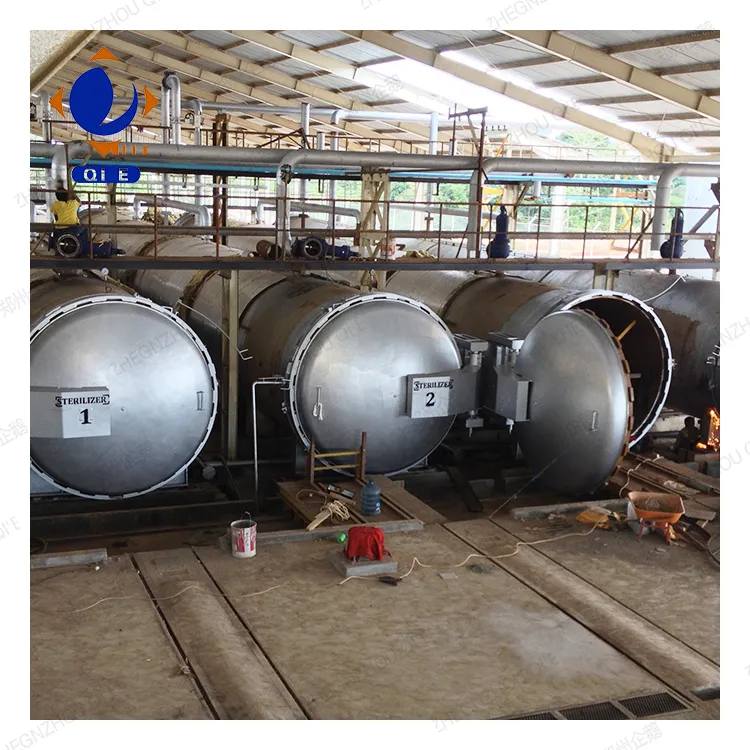
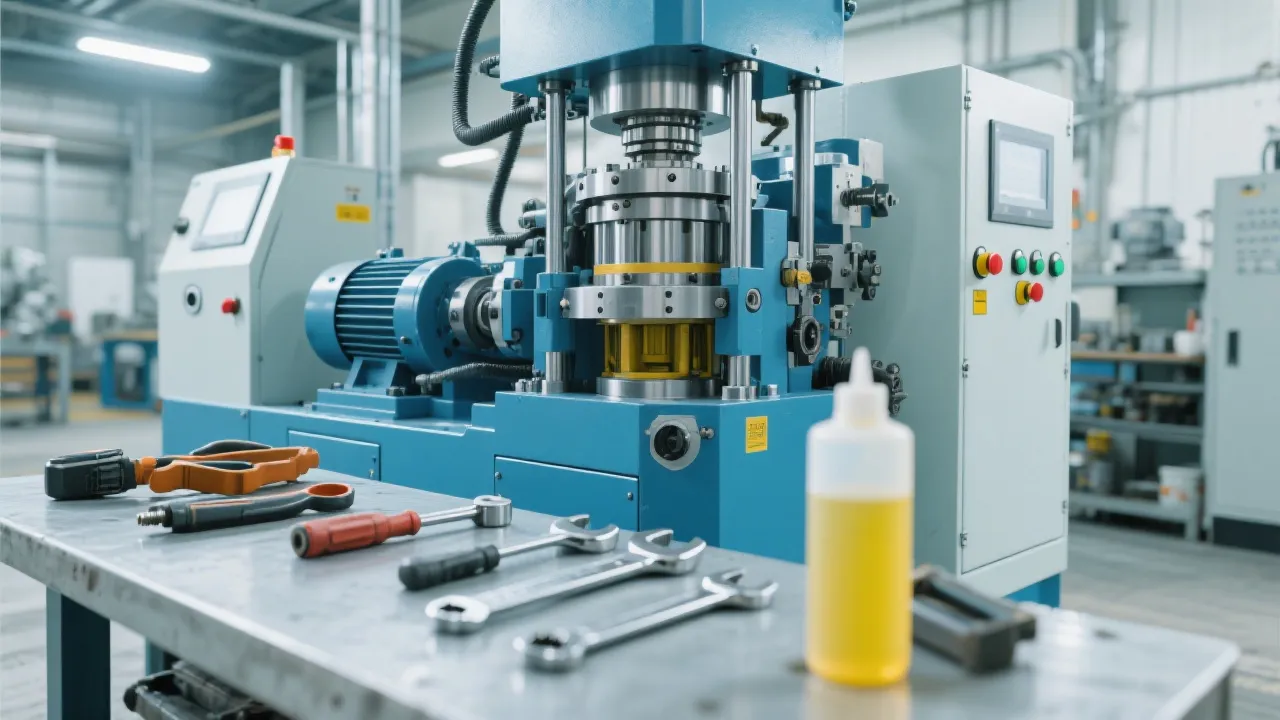
The multi - stage fine filtration system in edible oil production is a sophisticated process that starts from primary coarse filtration and progresses to precision filtration. This sequential process is designed based on a particle -分级 removal mechanism. In the primary coarse filtration stage, large - sized impurities such as husks and large debris are removed. As the oil moves through the system, it undergoes secondary and tertiary filtration, where smaller and smaller particles are gradually removed. This step - by - step approach ensures that particles of different sizes are effectively captured, greatly improving the purity of the oil. For example, particles as small as 1 - 5 microns can be removed in the precision filtration stage, which is almost impossible for traditional single - stage filtration systems.
When it comes to practical applications, the multi - stage fine filtration system shows excellent performance with common oilseeds like peanuts and rapeseeds. In peanut oil production, the system can achieve an impurity removal rate of up to 98%. This high removal rate not only makes the oil clearer but also significantly improves the oil yield. By removing impurities, the oil can flow more smoothly during the extraction process, and the oil yield can be increased by about 5 - 10% compared to traditional methods. Similarly, in rapeseed oil production, the system can effectively remove fine impurities, resulting in a cleaner and more flavorful oil.
Compared with traditional single - stage filtration, the multi - stage fine filtration system has several outstanding advantages. Firstly, it provides better protection for the nutritional components in the oil. Since the filtration process is more gentle and targeted, essential nutrients such as vitamins and unsaturated fatty acids are better preserved. Secondly, it reduces the frequency of equipment maintenance. With fewer impurities in the oil, the wear and tear on the equipment are significantly reduced. This means that the maintenance frequency can be decreased by about 50%, saving a lot of time and cost. Thirdly, it saves labor costs. The automated multi - stage filtration process requires less manual intervention, reducing the need for a large number of workers.
Let's take a look at some real - world cases. A small - to - medium - sized peanut oil mill implemented the multi - stage fine filtration system. After the upgrade, the shelf - life of their peanut oil was extended by 30%. This not only reduced product waste but also increased customer satisfaction. Another rapeseed oil factory reported a 50% reduction in equipment failures after adopting the new filtration technology. These data clearly demonstrate the effectiveness of the multi - stage fine filtration system in improving production efficiency and product quality.
For medium - sized edible oil production enterprises looking to upgrade their product quality, the multi - stage fine filtration system is a worthy investment. When considering equipment upgrades, enterprises should first assess their production scale and the types of oilseeds they process. Then, they can choose the appropriate multi - stage fine filtration equipment based on their specific needs. It is also recommended to consult with professional suppliers to get the most suitable solution.
 multi-stage precision filtration
oilseed pressing machine
edible oil filtration technology
oil purity improvement
maintenance reduction
Screw oil press wear-resistant materials
Maintenance of oil press vulnerable parts
High - efficiency oil extraction equipment
Applications in hot and cold pressing processes
Oil press maintenance tips
screw oil press maintenance
segmented cage design
vertical cake discharge
oil press efficiency
industrial oil extraction optimization
energy-efficient oil press equipment
intelligent temperature control oil press
thermal energy recovery technology
energy-saving oil processing
eco-friendly oil pressing machinery
fully automated oil press machine
cold and hot pressing technology
mid-sized edible oil plant solutions
energy-saving oil extraction equipment
multi-stage filtration system
multi-stage precision filtration
oilseed pressing machine
edible oil filtration technology
oil purity improvement
maintenance reduction
Screw oil press wear-resistant materials
Maintenance of oil press vulnerable parts
High - efficiency oil extraction equipment
Applications in hot and cold pressing processes
Oil press maintenance tips
screw oil press maintenance
segmented cage design
vertical cake discharge
oil press efficiency
industrial oil extraction optimization
energy-efficient oil press equipment
intelligent temperature control oil press
thermal energy recovery technology
energy-saving oil processing
eco-friendly oil pressing machinery
fully automated oil press machine
cold and hot pressing technology
mid-sized edible oil plant solutions
energy-saving oil extraction equipment
multi-stage filtration system


.png?x-oss-process=image/resize,h_100,m_lfit/format,webp)
.png?x-oss-process=image/resize,h_100,m_lfit/format,webp)
.png?x-oss-process=image/resize,h_100,m_lfit/format,webp)

.jpg?x-oss-process=image/resize,h_800,m_lfit/format,webp)