In today’s competitive edible oil market, purity, consistency, and efficiency are no longer optional—they’re essential. For mid-sized producers aiming to meet global food safety standards while reducing operational costs, multi-stage filtration systems have emerged as a game-changer.
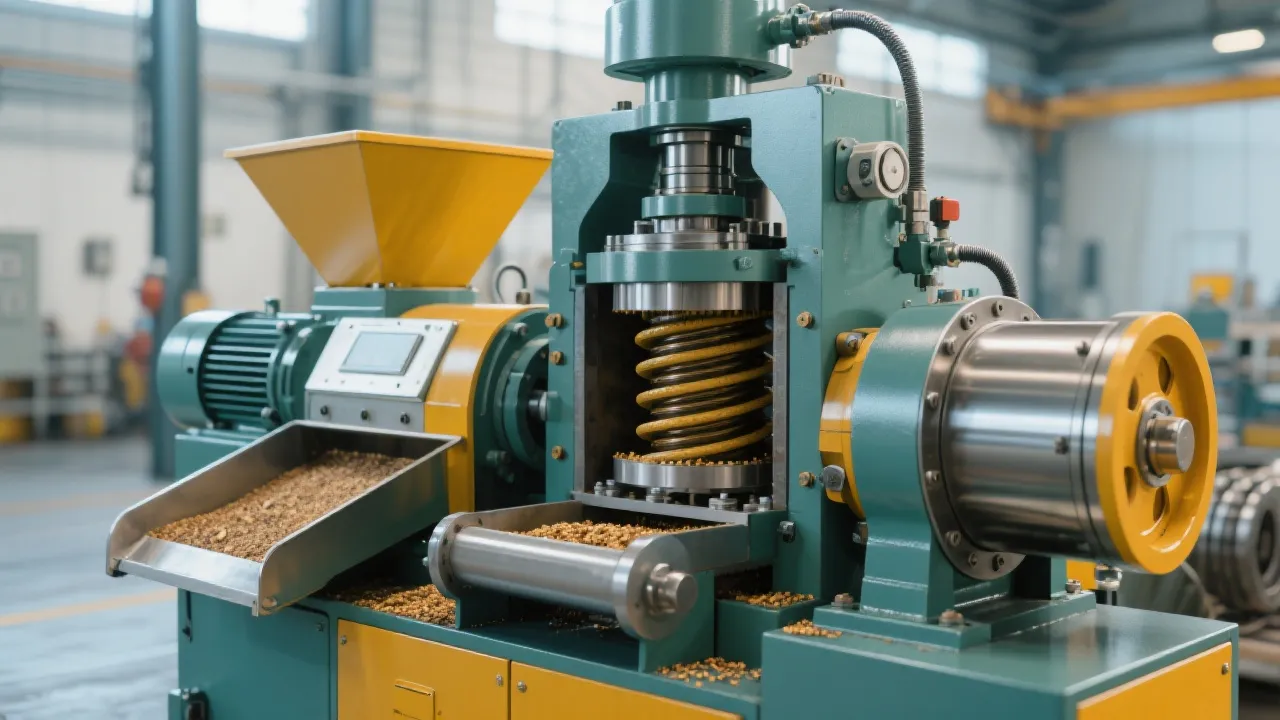
Unlike single-pass filters that miss fine particles, multi-stage filtration uses sequential stages—coarse mesh, activated carbon, and ceramic microfilters—to remove impurities at different sizes. According to industry data from the International Association of Food Processing (IAFP), this method can reduce suspended solids by up to 95%, significantly improving shelf life and sensory quality.
For example, one Indian sunflower oil producer reported a 30% drop in customer complaints about "off-taste" after implementing a three-stage system—proof that cleaner oil = better consumer trust.
| Benefit | Impact |
|---|---|
| Oil Clarity | +70% improvement in visual clarity (measured via haze test) |
| Maintenance Frequency | Reduced by 40% per year |
| Labor Cost Savings | ~$2,500/month for a 10-ton/day facility |
Smaller factories often face tight margins—but they also benefit most from smart upgrades. With less capital than large corporations, these businesses need solutions that deliver quick ROI. That’s where integrated systems shine: fewer breakdowns mean more uptime, and automated monitoring reduces manual labor without sacrificing quality.
A case study from a Thai soybean processor showed a 25% increase in daily output within just two months post-installation—thanks to reduced downtime and consistent throughput across all production lines.
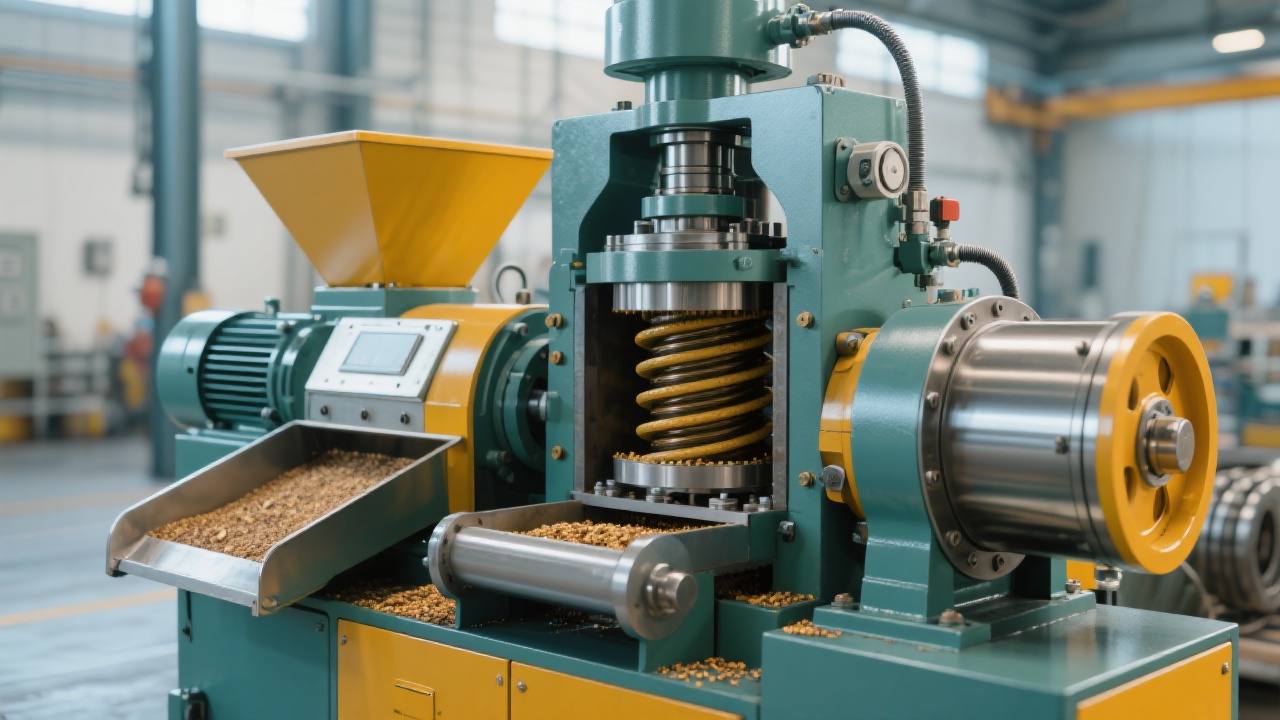
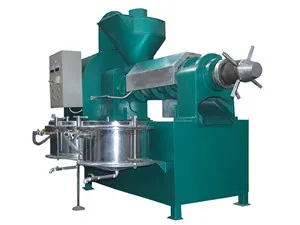
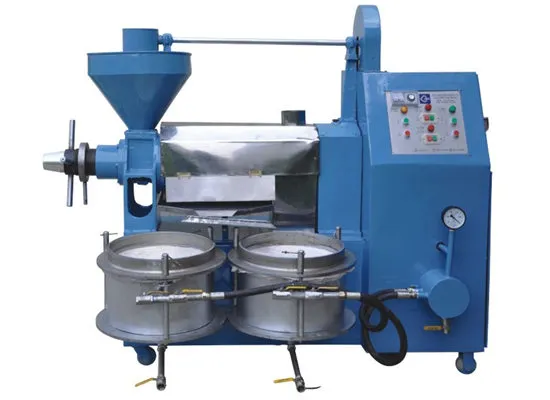
While filtration improves oil quality, it’s only part of the equation. The real leap comes when you pair it with energy-efficient equipment like our fully automatic cold-press and hot-press oilseed expeller. Designed for medium-scale operations, this machine cuts power consumption by up to 22% compared to older models—without compromising yield or speed.
One client in Nigeria saw their monthly electricity bill drop by $600 after switching to a modernized setup—including both filtration and press. And because the system runs cooler, maintenance intervals extended naturally—another win for productivity.
“We used to lose 3–5 days a month to cleaning and repairs. Now we run smoothly—and customers notice the difference.”
— Rajesh Mehta, Operations Manager, Gujarat Oils Ltd.


.png?x-oss-process=image/resize,h_100,m_lfit/format,webp)
.png?x-oss-process=image/resize,h_100,m_lfit/format,webp)
.png?x-oss-process=image/resize,h_100,m_lfit/format,webp)

.jpg?x-oss-process=image/resize,h_800,m_lfit/format,webp)