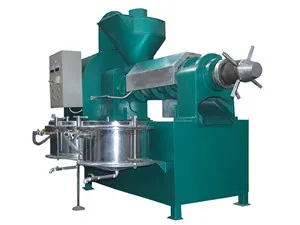
For medium-sized edible oil producers aiming to improve product quality while reducing downtime and labor costs, multi-stage filtration is no longer just an option—it’s a strategic necessity.
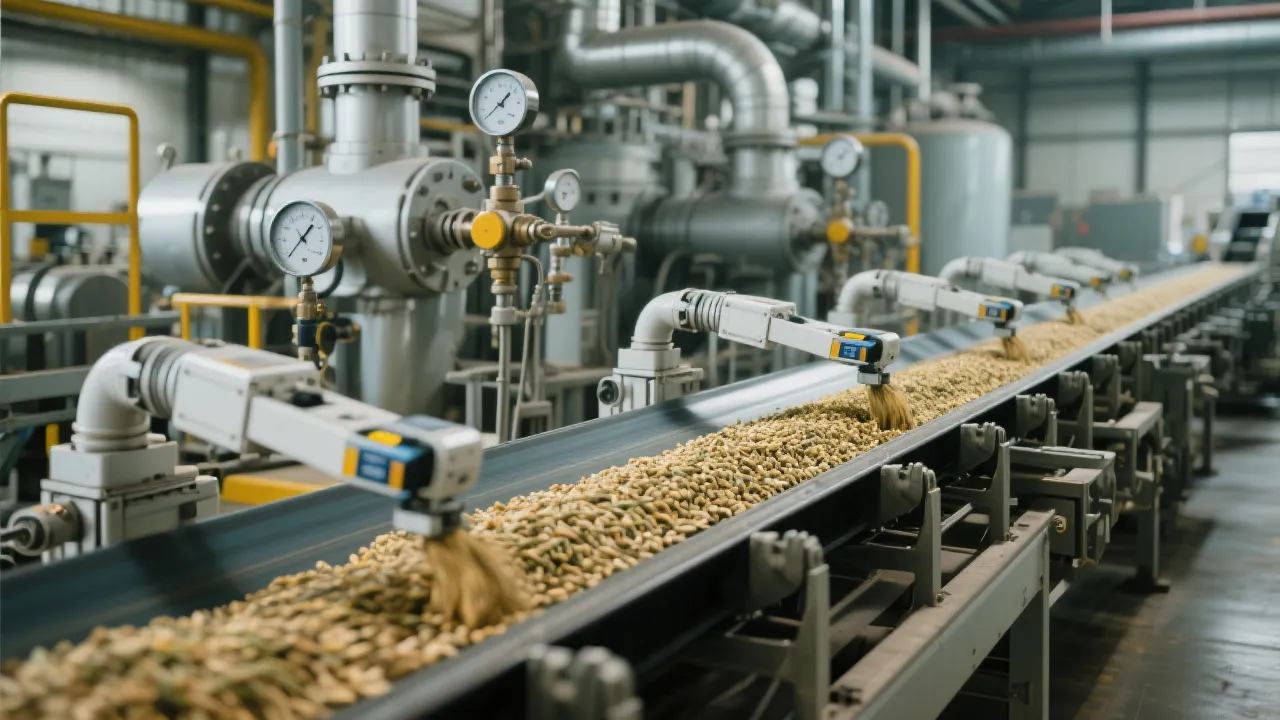
Unlike single-stage filters that struggle with fine particles, a multi-stage system uses progressively finer mesh layers—typically 10μm, 5μm, and 1μm—to remove impurities such as phospholipids, free fatty acids, and micro-particles from crude oil. According to industry data from the International Olive Council (IOC), this staged approach improves oil clarity by up to 92% compared to traditional methods.
This level of purity directly impacts shelf life—studies show oils filtered through three stages retain their oxidative stability for at least 6 months longer than those treated with basic filtration alone.
A 10-ton-per-day palm oil plant in Binh Duong Province adopted a 3-stage filtration setup in Q2 2023. Within four months:
| Metric | Before | After |
|---|---|---|
| Daily Filter Cleaning Time | 120 min | 25 min |
| Oil Quality Consistency (Rancidity Index) | 7.8 ppm | 3.2 ppm |
| Annual Maintenance Cost | $4,200 | $2,600 |
The results speak for themselves—not only did they reduce waste and energy use, but they also gained buyer trust due to consistent, food-safe output.
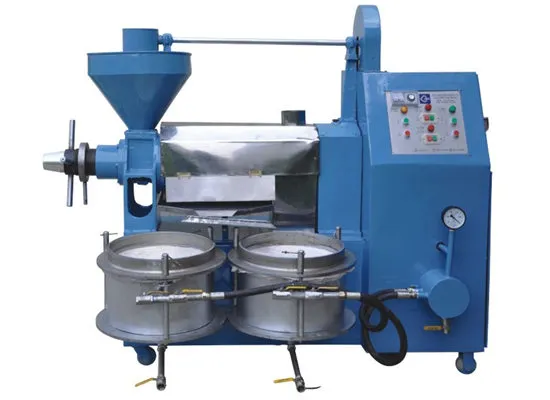
Explore our range of energy-efficient oil presses designed to work seamlessly with modern multi-stage filtration systems—delivering higher throughput, lower operating costs, and better yields.
See How Our Smart Presses Can Transform Your Output multi-stage filtration system
edible oil processing technology
oil refining efficiency
automatic oil press filtration
nutrient retention in oil
edible oil filtration system
multi-stage oil filter
oil purification technology
cold press oil machine
hot press oil machine
Screw oil press wear - resistant materials
Wear - resistant material selection
Equipment lifespan improvement
Screw shaft materials
Oil press maintenance tips
screw oil press efficiency
vertical cake discharge mechanism
segmented retaining frame
oil press stability
cold press vs hot press optimization
screw press wear resistance
high durability materials in oil presses
screw shaft maintenance
cake discharge mechanism wear protection
extending industrial equipment life
multi-stage filtration system
edible oil processing technology
oil refining efficiency
automatic oil press filtration
nutrient retention in oil
edible oil filtration system
multi-stage oil filter
oil purification technology
cold press oil machine
hot press oil machine
Screw oil press wear - resistant materials
Wear - resistant material selection
Equipment lifespan improvement
Screw shaft materials
Oil press maintenance tips
screw oil press efficiency
vertical cake discharge mechanism
segmented retaining frame
oil press stability
cold press vs hot press optimization
screw press wear resistance
high durability materials in oil presses
screw shaft maintenance
cake discharge mechanism wear protection
extending industrial equipment life


.jpg?x-oss-process=image/resize,h_800,m_lfit/format,webp)



.png?x-oss-process=image/resize,h_100,m_lfit/format,webp)
.png?x-oss-process=image/resize,h_100,m_lfit/format,webp)
.png?x-oss-process=image/resize,h_100,m_lfit/format,webp)


.jpg?x-oss-process=image/resize,h_800,m_lfit/format,webp)