For edible oil producers, purity isn’t just a quality benchmark—it’s a market differentiator. In today’s competitive B2B landscape, even minor impurities can lead to rejected batches, shorter shelf life, and lost customer trust. That’s where multi-stage filtration systems shine.
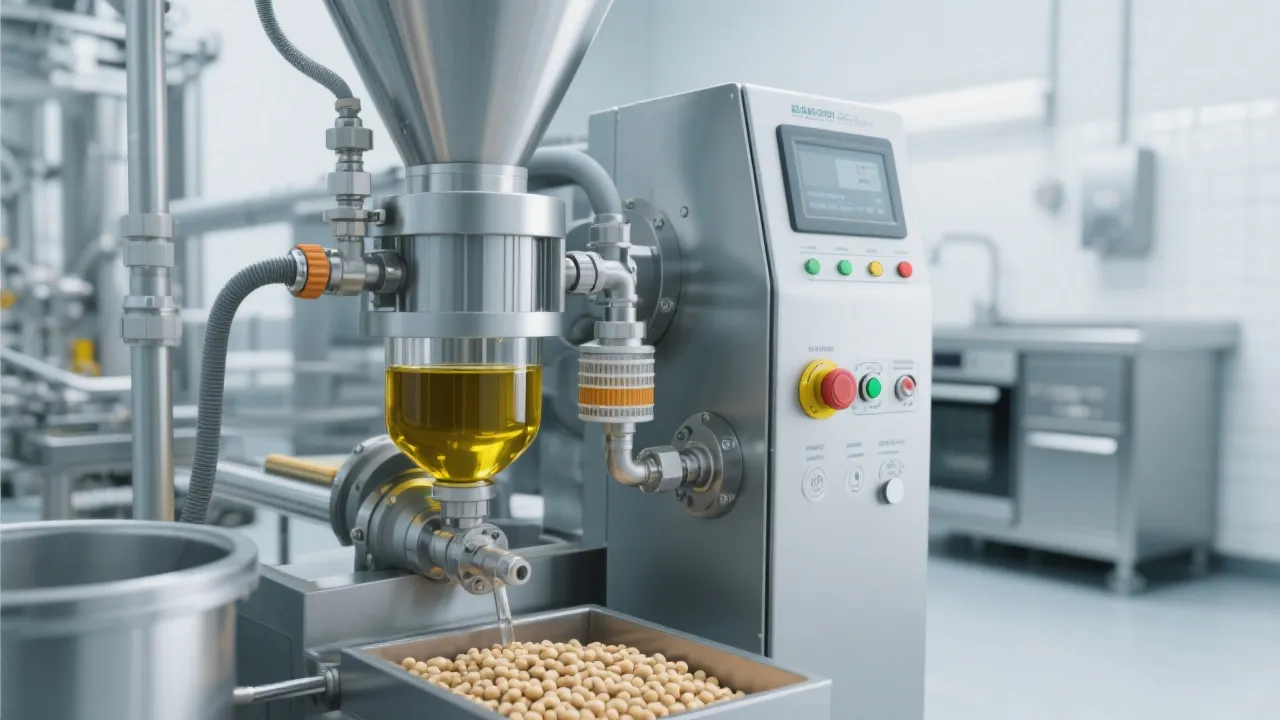
A well-designed multi-stage filtration system typically includes three core stages:
Real Impact: One mid-sized Chinese soybean oil producer reported a 78% reduction in total polar compounds after implementing a 3-stage system—extending shelf life from 12 months to 18+ months.
Manual filtration is not only labor-intensive but also inconsistent. Automated multi-stage systems reduce human error by up to 65%, according to a 2023 study by the International Oil Processing Association. This means:
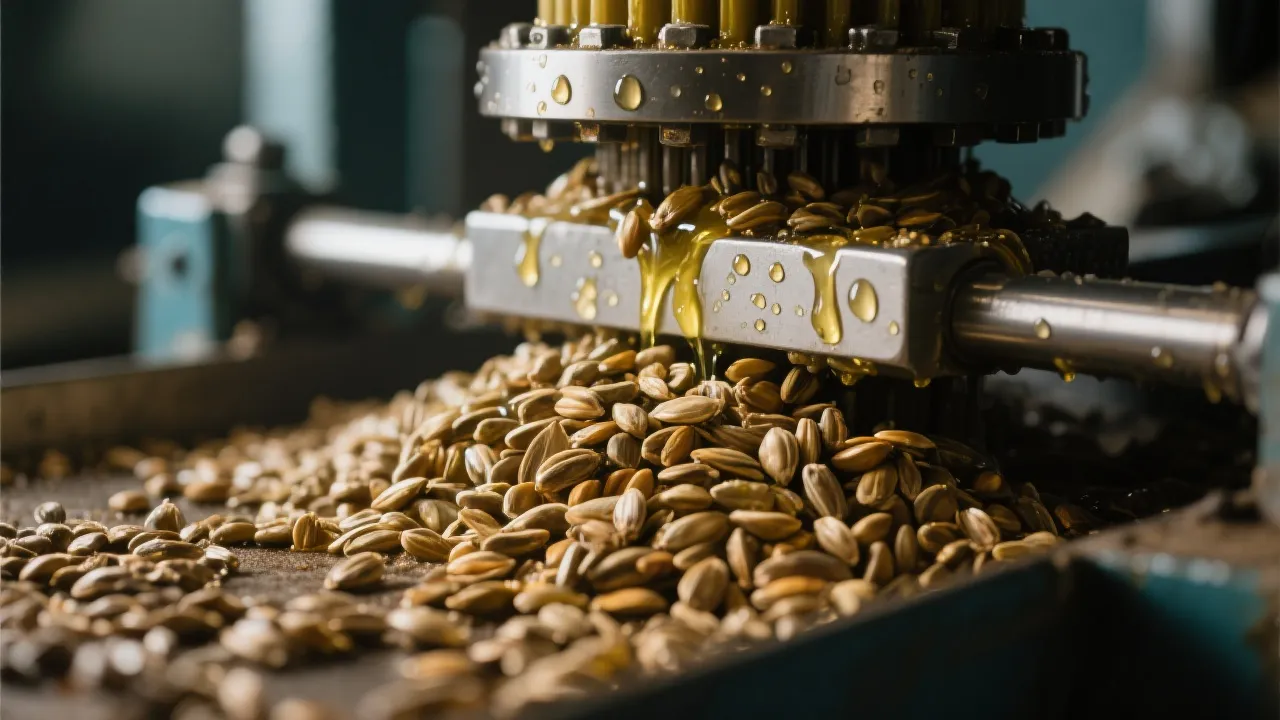
Whether you’re running a cold-pressed flaxseed operation or a hot-press sesame plant, this technology adapts seamlessly across applications—from raw oil clarification to final polishing before packaging.
You may be asking: “Is my current setup meeting global standards?” If your oil still shows signs of cloudiness, has inconsistent viscosity, or fails on acid value tests, it’s time to revisit your filtration strategy.
In industries where food safety compliance is non-negotiable—like EU, US FDA, or GCC markets—multi-stage filtration isn’t optional. It’s foundational. Companies that invest early see faster ROI through reduced waste, fewer rejections, and stronger buyer confidence.
And here’s what really matters: modern systems are energy-efficient too. Some models use 15–20% less power than older alternatives while delivering superior results—a win-win for both sustainability and profitability.
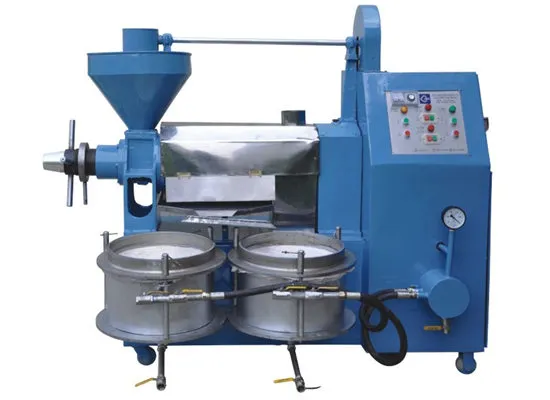
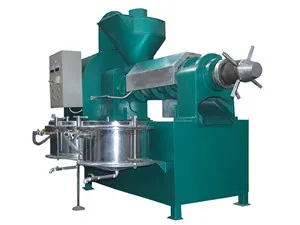
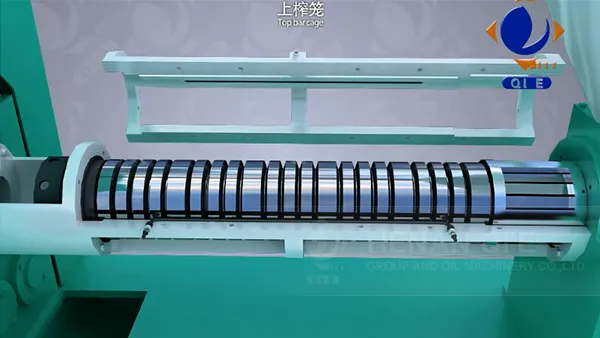
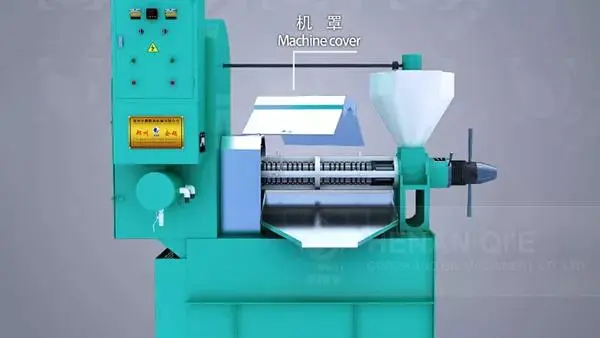
Discover how our fully automatic cold & hot press oil machines integrate advanced multi-stage filtration into every batch—ensuring purity, consistency, and compliance.
立即了解更多关于全自动冷热压榨油机的多级精滤技术细节,开启高效安全的油脂生产新体验! spiral榨油机 efficiency
vertical cake unloading mechanism
segmented bushing design
oil extraction optimization
cold hot pressing technology
Screw oil press
Wear-resistant materials
Equipment lifespan
Operational stability
Maintenance and care
Screw oil press wear - resistant materials
Wear - resistant material selection
Equipment lifespan improvement
Screw shaft materials
Oil press maintenance tips
Cold pressing technology advantages and disadvantages
Comparison of hot pressing oil processes
Cold and hot press dual-mode oil press
Selection of edible oil production equipment
High-efficiency oil press recommendation
cold press oil extraction
hot press oil processing
oilseed expeller machine
edible oil production optimization
efficient oil pressing technology
spiral榨油机 efficiency
vertical cake unloading mechanism
segmented bushing design
oil extraction optimization
cold hot pressing technology
Screw oil press
Wear-resistant materials
Equipment lifespan
Operational stability
Maintenance and care
Screw oil press wear - resistant materials
Wear - resistant material selection
Equipment lifespan improvement
Screw shaft materials
Oil press maintenance tips
Cold pressing technology advantages and disadvantages
Comparison of hot pressing oil processes
Cold and hot press dual-mode oil press
Selection of edible oil production equipment
High-efficiency oil press recommendation
cold press oil extraction
hot press oil processing
oilseed expeller machine
edible oil production optimization
efficient oil pressing technology





.png?x-oss-process=image/resize,h_100,m_lfit/format,webp)
.png?x-oss-process=image/resize,h_100,m_lfit/format,webp)
.png?x-oss-process=image/resize,h_100,m_lfit/format,webp)