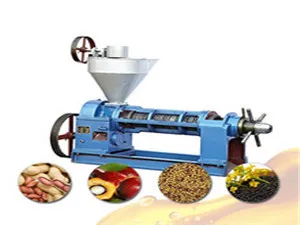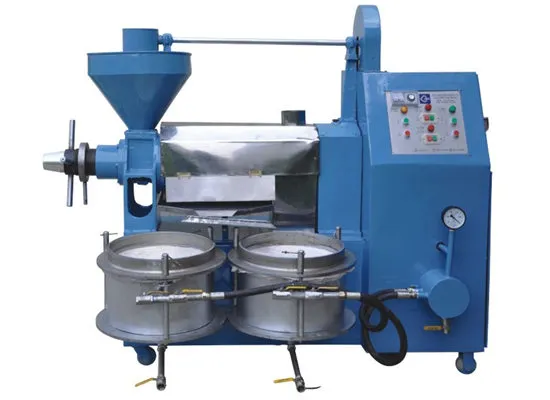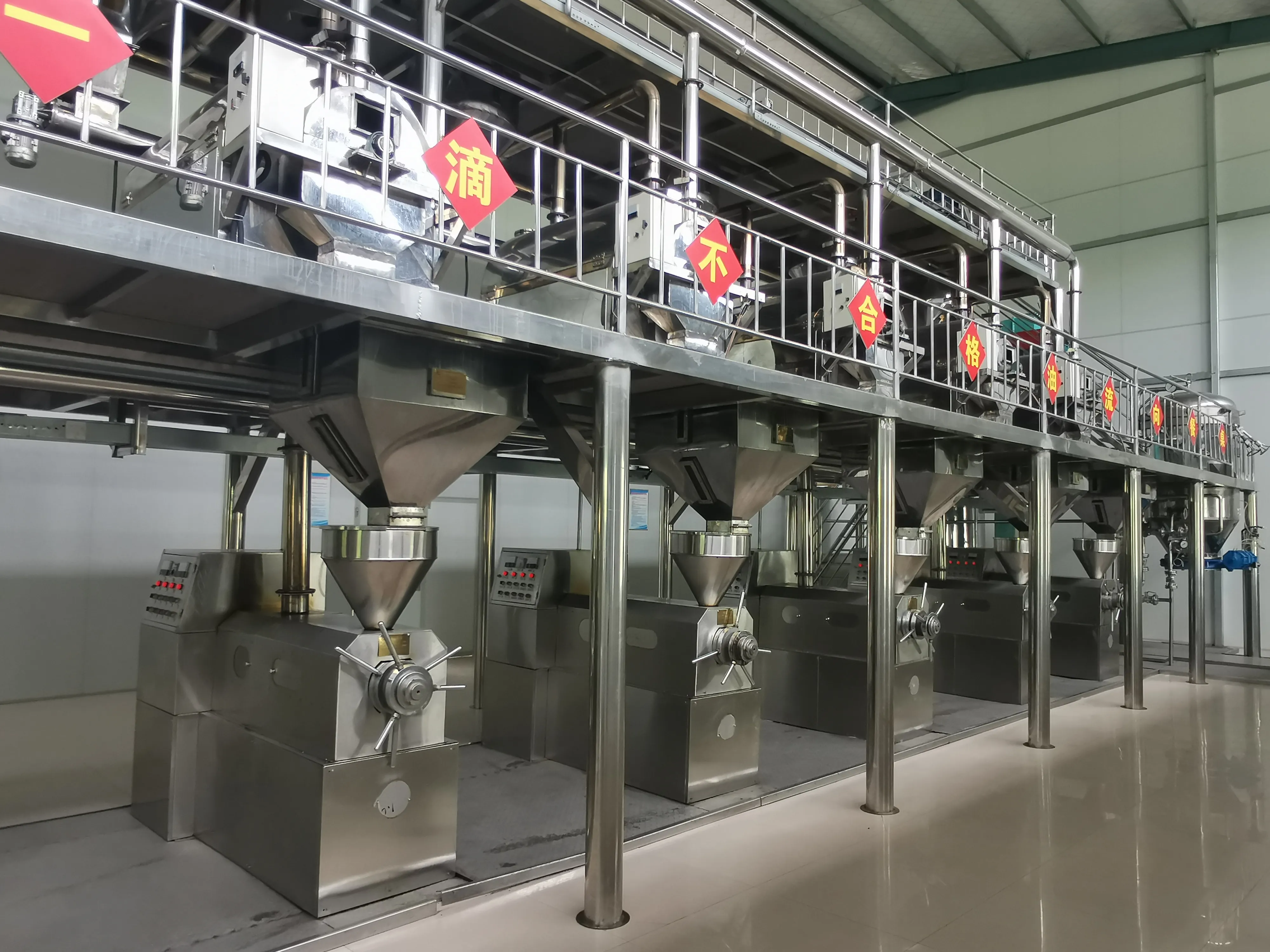
In the realm of oil extraction, the multi - stage filtration system plays a crucial role in energy - efficient single - oil hydraulic presses. This article delves deep into its significance and the essential points of daily maintenance, aiming to help small workshops and household users understand how to extend the equipment lifespan and ensure pure and stable oil quality through scientific maintenance.
The multi - stage filtration system in an oil press is designed based on advanced physical pressing technology. It effectively removes impurities from the oil during the pressing process, ensuring the purity of the extracted oil. According to industry data, a well - designed multi - stage filtration system can increase the oil purity by up to 95%, significantly improving the overall quality of the oil product.
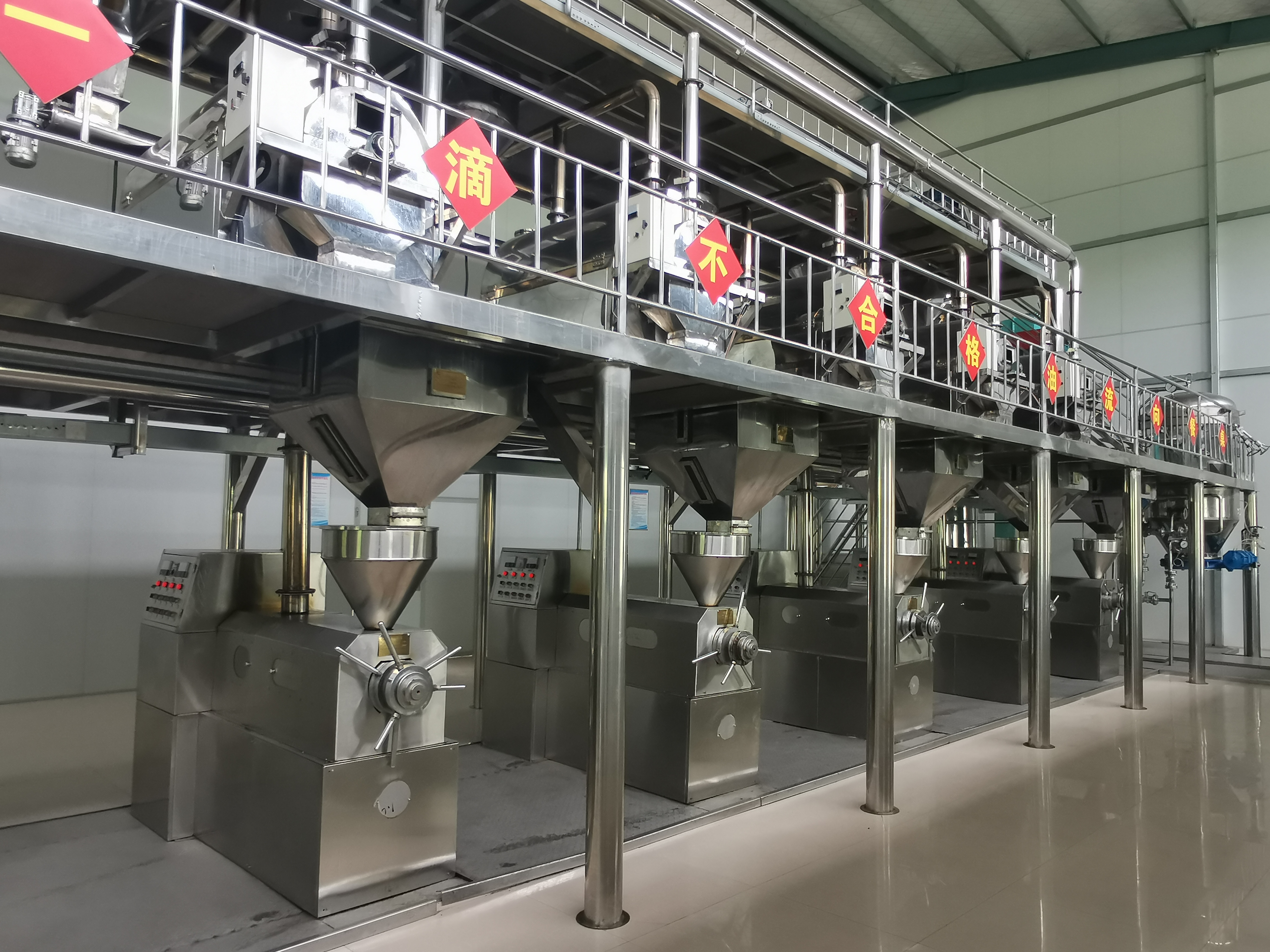
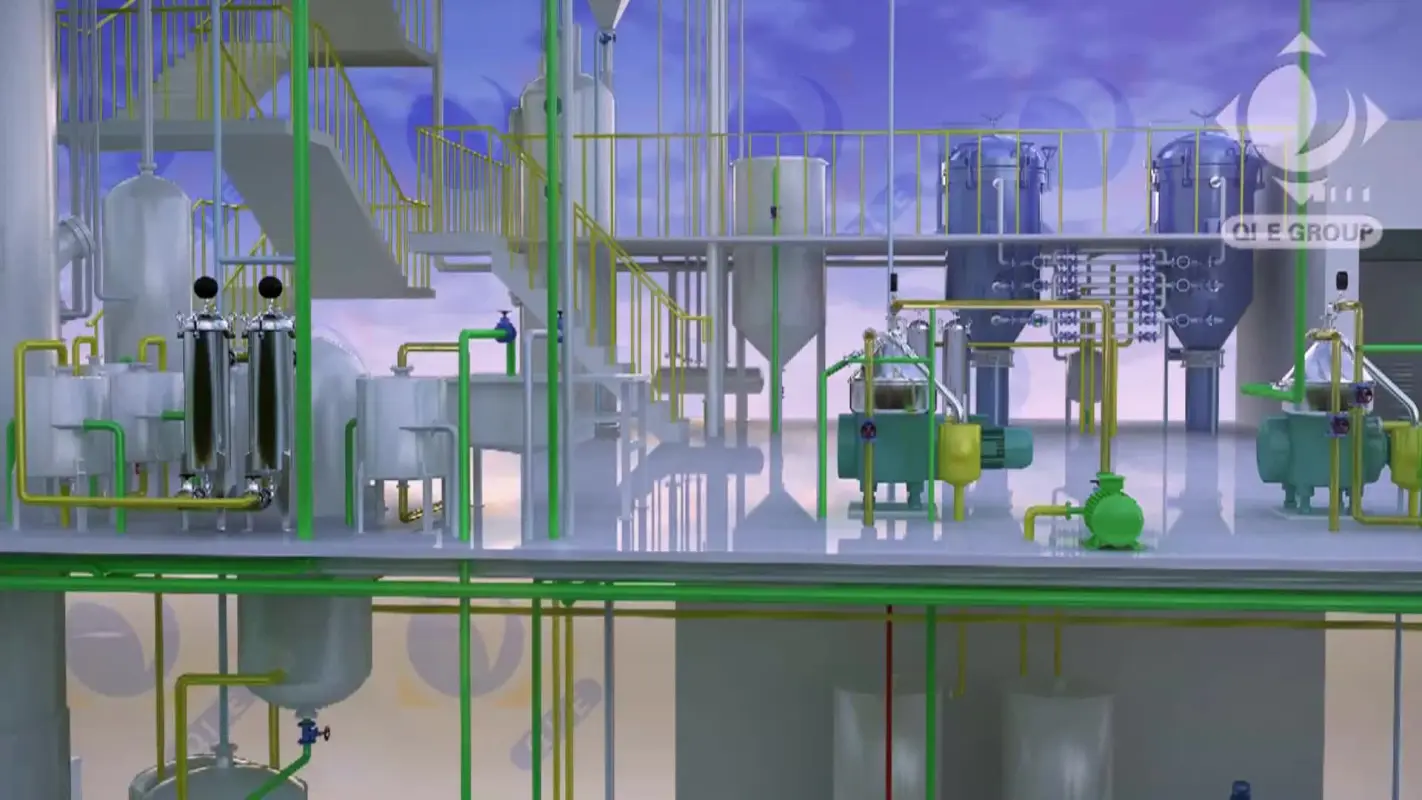
The multi - stage filtration system consists of several key components, including primary filters, secondary filters, and fine filters. The primary filter is responsible for removing large - sized impurities, such as solid particles and debris. The secondary filter further refines the oil by removing smaller impurities. Finally, the fine filter ensures the oil reaches a high level of purity.
The working process is a dynamic and hierarchical one. As the oil passes through each filter layer, the impurities are gradually removed, and the oil quality is continuously improved. Understanding this process can help users better appreciate the importance of each filter stage.
Regular cleaning is a vital part of maintaining the multi - stage filtration system. It is recommended to clean the filters at least once a week for small - scale users. For more frequent use, such as in small workshops, the cleaning frequency should be increased to 2 - 3 times a week. This can prevent filter clogging and ensure the normal operation of the filtration system.
The replacement cycle of the filters also needs attention. Generally, the primary filter should be replaced every 3 - 6 months, while the secondary and fine filters may need to be replaced every 6 - 12 months, depending on the usage intensity. When replacing the filters, it is necessary to use high - quality filters that match the equipment specifications to ensure the filtration effect.
In addition, users should master the skills of troubleshooting common blockages and abnormal phenomena. For example, if the oil output decreases or the oil quality deteriorates, it may be due to filter blockage. By checking the filters and removing the blockages in time, the normal operation of the equipment can be restored.
Scientific maintenance of the multi - stage filtration system can significantly reduce the failure rate of the energy - efficient oil press. According to practical experience, proper maintenance can reduce the equipment failure rate by about 30%, which means lower repair costs and less downtime. Moreover, it can extend the equipment lifespan, allowing users to get more value from their investment.
This article provides practical and guiding content, suitable for household and small - workshop operators and equipment managers. By following the maintenance methods described in this article, users can improve the equipment efficiency and reduce operating costs.
 dual spiral shaft technology
screw press oil extraction efficiency
energy-saving oil press machine
cold pressing vs hot pressing
oilseed processing equipment
segmented retaining frame
vertical cake discharge mechanism
screw oil press stability
cold and hot pressing optimization
efficient oil extraction
cold press technology advantages
hot pressing vs cold pressing
edible oil export processing
cold press oil machine application
energy efficient oil pressing equipment
multistage oil filtration system
edible oil purification technology
cold press oil filter
hot press oil filtration
industrial oil refining equipment
Hot pressing oil extraction process comparison
Advantages and disadvantages of cold - pressing technology
Edible oil production process
Oil extraction efficiency
Energy - saving of oil extraction equipment
dual spiral shaft technology
screw press oil extraction efficiency
energy-saving oil press machine
cold pressing vs hot pressing
oilseed processing equipment
segmented retaining frame
vertical cake discharge mechanism
screw oil press stability
cold and hot pressing optimization
efficient oil extraction
cold press technology advantages
hot pressing vs cold pressing
edible oil export processing
cold press oil machine application
energy efficient oil pressing equipment
multistage oil filtration system
edible oil purification technology
cold press oil filter
hot press oil filtration
industrial oil refining equipment
Hot pressing oil extraction process comparison
Advantages and disadvantages of cold - pressing technology
Edible oil production process
Oil extraction efficiency
Energy - saving of oil extraction equipment





.png?x-oss-process=image/resize,h_100,m_lfit/format,webp)
.png?x-oss-process=image/resize,h_100,m_lfit/format,webp)
.png?x-oss-process=image/resize,h_100,m_lfit/format,webp)