
In today's competitive edible oil market, achieving superior oil purity and prolonged shelf life is paramount for consumer trust and brand integrity. Multi-stage precision filtration systems play a critical role in elevating oil quality through advanced, targeted removal of contaminants at various processing stages. By integrating these systems into both cold and hot pressing workflows, mid-sized oil manufacturers can significantly enhance product consistency, reduce operational costs, and meet stringent international food safety standards.
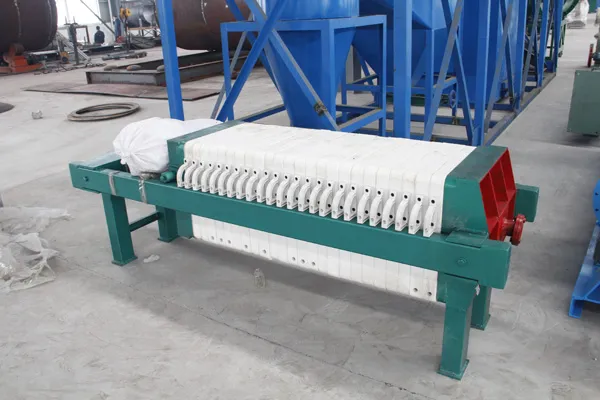
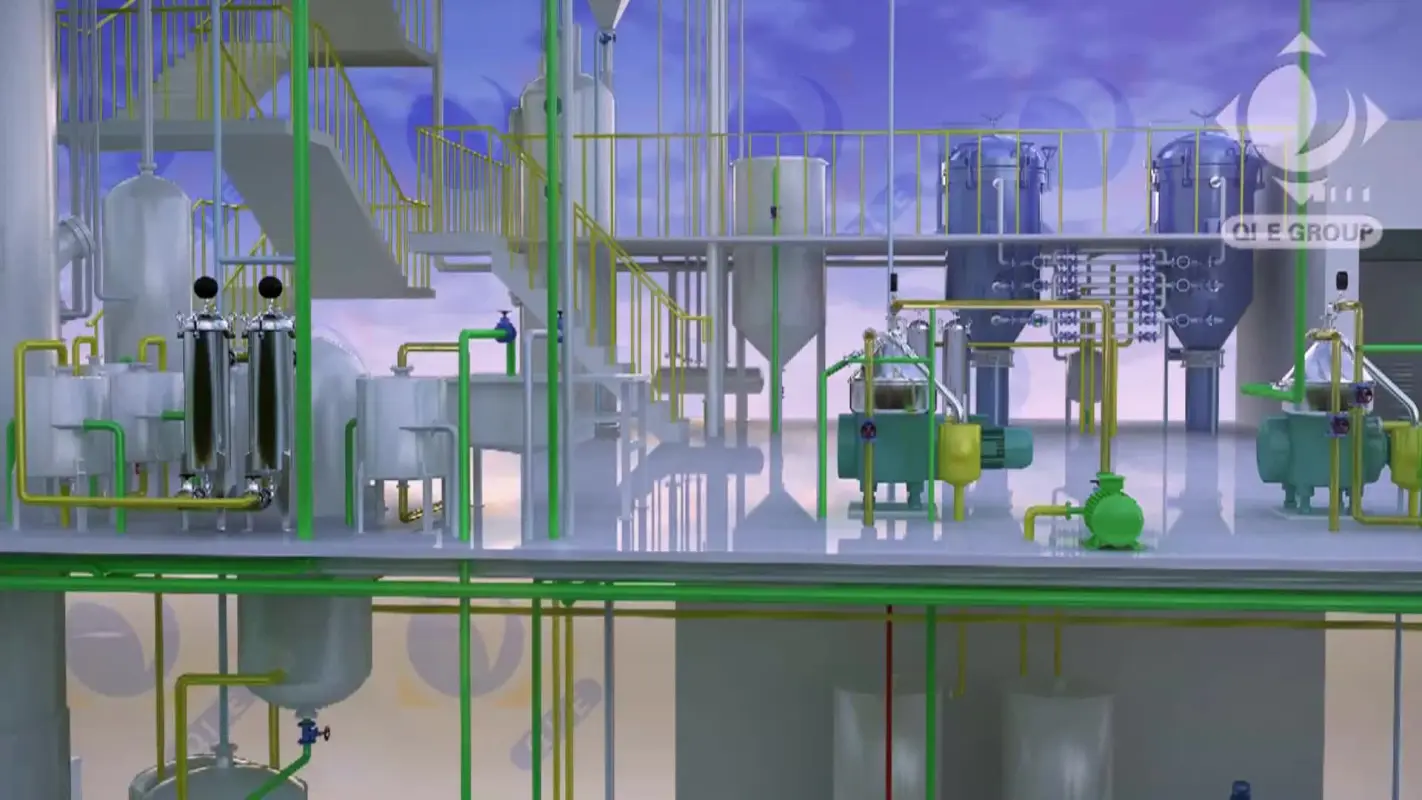
Multi-stage filtration typically involves three sequential phases:
This graduated approach ensures a comprehensive removal of impurities without compromising vital nutrients or organoleptic properties. Evidence shows that filtration precision at this stage can improve oil transparency by over 30% and reduce free fatty acid content, directly impacting shelf life—which can be extended up to 6 months under optimal conditions.
Compliance with global hygiene regulations—including Codex Alimentarius and FDA standards—demands that edible oils meet strict contamination thresholds. Multi-stage filtering systems efficiently meet these requirements by drastically lowering particulate contamination and microbial loads.
Furthermore, consistent filtration contributes to oxidative stability, preventing rancidity that often results from residual impurities. Tests document a 20-25% reduction in peroxide values post-multistage filtration, an essential quality indicator that reassures consumers and regulatory bodies alike.
Practical implementations in peanut oil and rapeseed oil manufacturing display the system's dual advantage: flavor preservation and nutrient retention, particularly of sensitive compounds like tocopherols and polyphenols. In these scenarios, multi-stage filtration upheld a 15-18% improvement in antioxidant retention compared to single-stage filters.
Producers also reported more stable sensory characteristics and consistent product batches, enabling premium positioning in consumer markets focused on health and authenticity.
Modern multi-stage filtration systems integrate automated backflushing and self-cleaning functions, drastically cutting downtime. Based on industry benchmarks, equipment maintenance intervals can be extended by up to 40%, and labor costs reduced by nearly 30% due to minimized manual intervention.
This reliability supports continuous operation runs, enabling mid-scale oil producers to boost output without proportional increases in overhead.
"The transition to multi-stage filtration is not just a technical improvement, but a strategic advantage that enables producers to meet evolving consumer expectations and regulatory demands with confidence." – Dr. Elena Martinez, Food Science Expert, Global Oil Markets Report 2023
User testimonials consistently emphasize multifaceted benefits—combining enhanced oil quality, operational efficiency, and regulatory compliance. Industry-wide adoption correlates with increased profitability margins and brand loyalty.
 cold pressing technology advantages
hot pressing oil extraction comparison
edible oil production equipment
oilseed expeller machine
oil extraction methods
Screw oil press wear-resistant materials
Maintenance of oil press vulnerable parts
High - efficiency oil extraction equipment
Applications in hot and cold pressing processes
Oil press maintenance tips
segmented cage design
residue reduction in screw oil press
oil press maintenance optimization
cold and hot pressing efficiency
screw press equipment durability
cold press oil extraction
hot press oil processing
oilseed expeller machine
edible oil production optimization
efficient oil pressing technology
energy-efficient screw oil press
dual spiral shaft technology
oil extraction efficiency
green oil processing
cold press hot press oilseed processing
cold pressing technology advantages
hot pressing oil extraction comparison
edible oil production equipment
oilseed expeller machine
oil extraction methods
Screw oil press wear-resistant materials
Maintenance of oil press vulnerable parts
High - efficiency oil extraction equipment
Applications in hot and cold pressing processes
Oil press maintenance tips
segmented cage design
residue reduction in screw oil press
oil press maintenance optimization
cold and hot pressing efficiency
screw press equipment durability
cold press oil extraction
hot press oil processing
oilseed expeller machine
edible oil production optimization
efficient oil pressing technology
energy-efficient screw oil press
dual spiral shaft technology
oil extraction efficiency
green oil processing
cold press hot press oilseed processing


.png?x-oss-process=image/resize,h_100,m_lfit/format,webp)
.png?x-oss-process=image/resize,h_100,m_lfit/format,webp)
.png?x-oss-process=image/resize,h_100,m_lfit/format,webp)


.jpg?x-oss-process=image/resize,h_800,m_lfit/format,webp)
.jpg?x-oss-process=image/resize,h_800,m_lfit/format,webp)



.jpg?x-oss-process=image/resize,h_800,m_lfit/format,webp)
