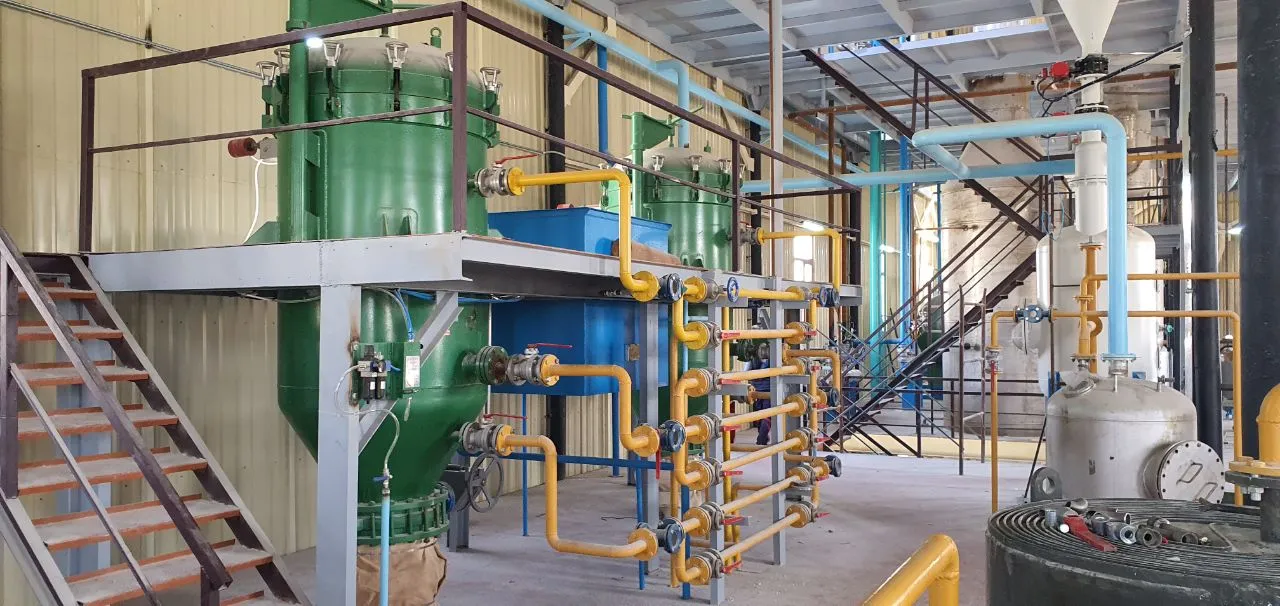
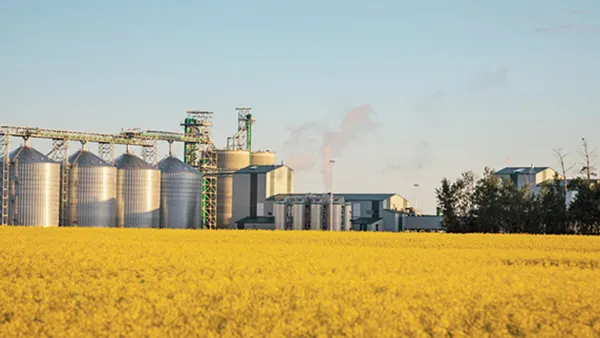
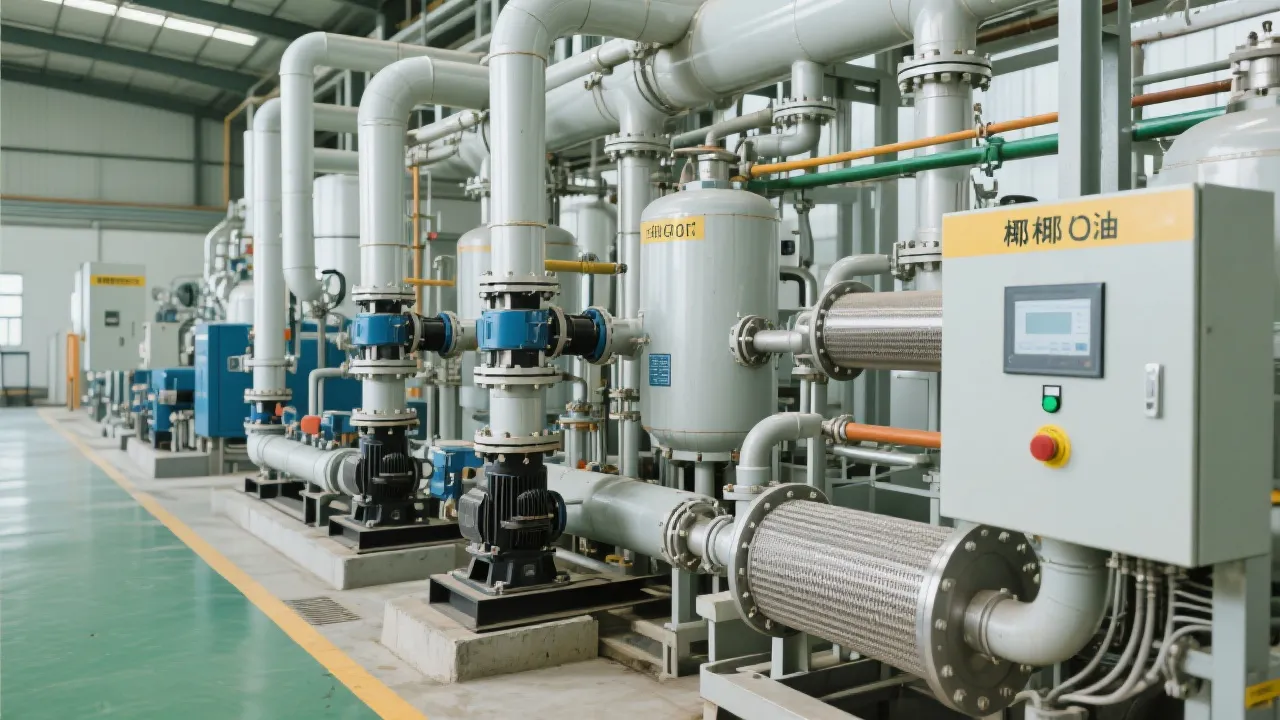
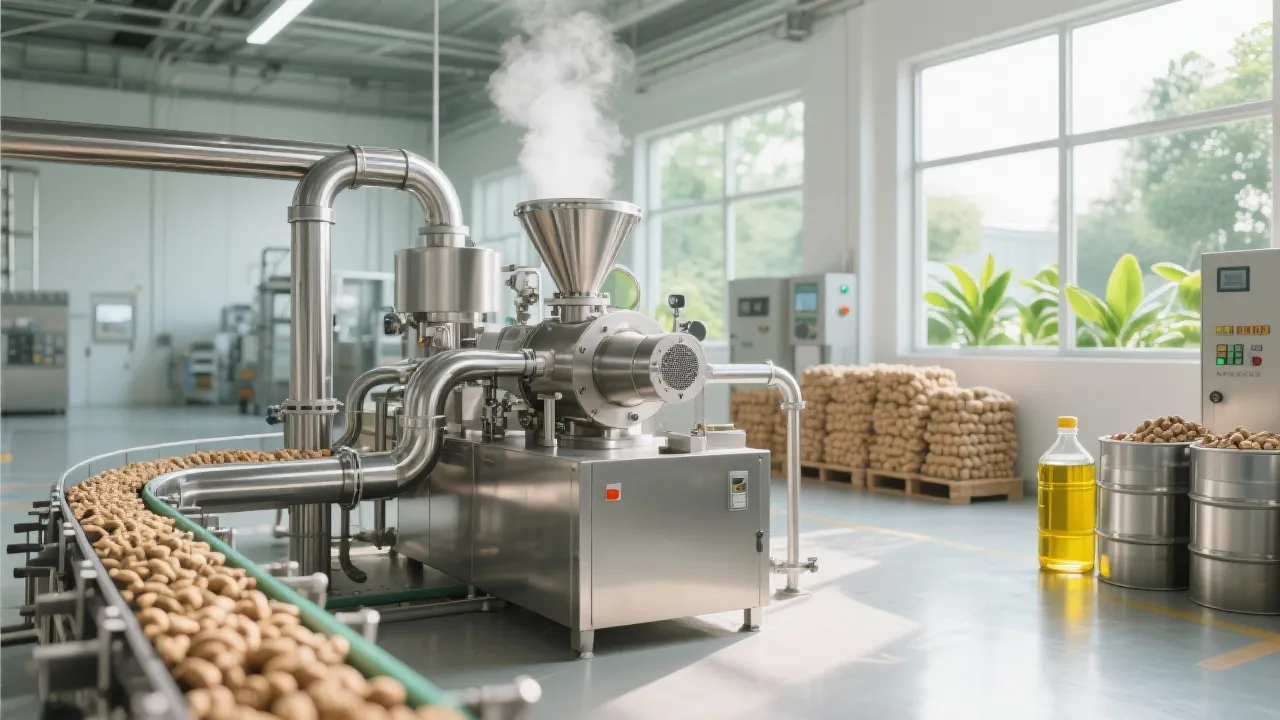
In the competitive landscape of edible oil production, ensuring a high standard of oil purity and meeting rigorous safety criteria is paramount. Multistage precision filtration systems have emerged as the technological cornerstone for modern edible oil processors, deftly removing contaminants at a microscopic level, boosting flavor profiles, preserving nutritional integrity, and extending shelf life.
Multistage filtration operates on a principle of progressive contaminant removal, where each stage targets particles of diminishing size. Typically, the system consists of a primary coarse filter removing particulate matter larger than 50 microns, followed by secondary stages that capture mid-range impurities between 5 to 50 microns, and finally ultrafiltration membranes that filter out submicron sediments and colloidal substances.
This tiered approach not only ensures comprehensive elimination of physical impurities but also reduces turbidity to below 1 NTU (Nephelometric Turbidity Units) levels, a benchmark for premium edible oil clarity. The cascading filters are optimized for flow rate efficiency, commonly handling throughput of 2-5 tons per hour per unit, translating into scalable capacity for mid-sized production facilities.
By eradicating impurities and oxidative precursors, multistage filtration significantly preserves the oil’s natural flavor nuances and protects volatile nutrients such as tocopherols and polyunsaturated fatty acids. Independent laboratory tests have demonstrated a retention improvement of up to 20% in essential antioxidants compared to single-stage filtration methods.
Moreover, the filtered oils exhibit a 20-30% longer shelf life under ambient conditions due to reduced rancidity acceleration factors. This translates into less frequent product recalls and lower quality degradation risk during transportation and storage, ultimately enhancing brand reputation and consumer trust.
Beyond product quality, multistage filtration systems contribute to operational efficiency. The modular design allows for targeted cleaning cycles—ultrafiltration membranes require backwashing every 48-72 hours, while coarse filters can operate up to one week before conventional cleaning. This scheduled maintenance reduces unplanned downtime by approximately 35% compared to traditional single-filter units.
Automation options, including PLC-controlled valve sequencing and remote monitoring, further decrease manual intervention, freeing personnel for other critical processes and lowering labor costs by an estimated 15-20%. Such automation safeguards against human error, thereby enhancing consistent output quality.
A mid-sized edible oil producer in Southeast Asia integrated a three-stage precision filtration system in 2022. Since implementation, the company recorded:
This operational uplift enabled the company to expand export volumes by 40% within one year, backed by enhanced safety certifications attributable to the filtration upgrade.
The diagram below outlines a typical multistage filtration workflow:
Stage 1: Coarse Filtration (50+ microns) → Stage 2: Intermediate Filtration (5-50 microns) → Stage 3: Ultrafiltration (submicron) → Polishing Filters (Activated Carbon/Adsorption)
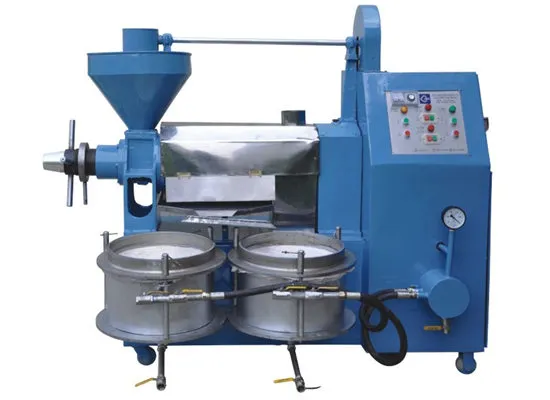
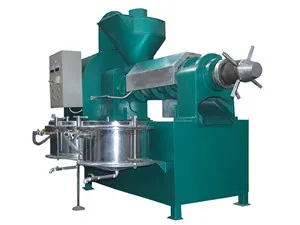
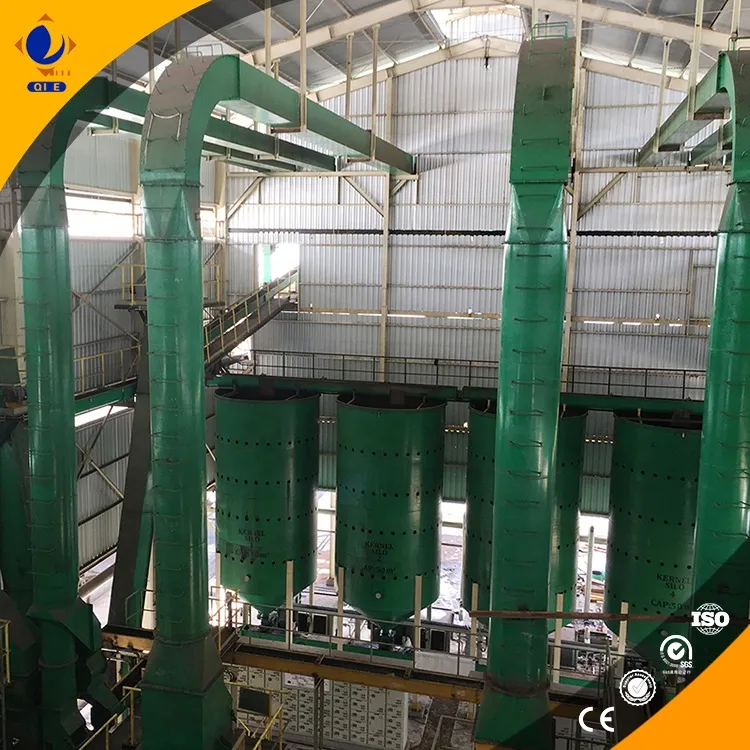
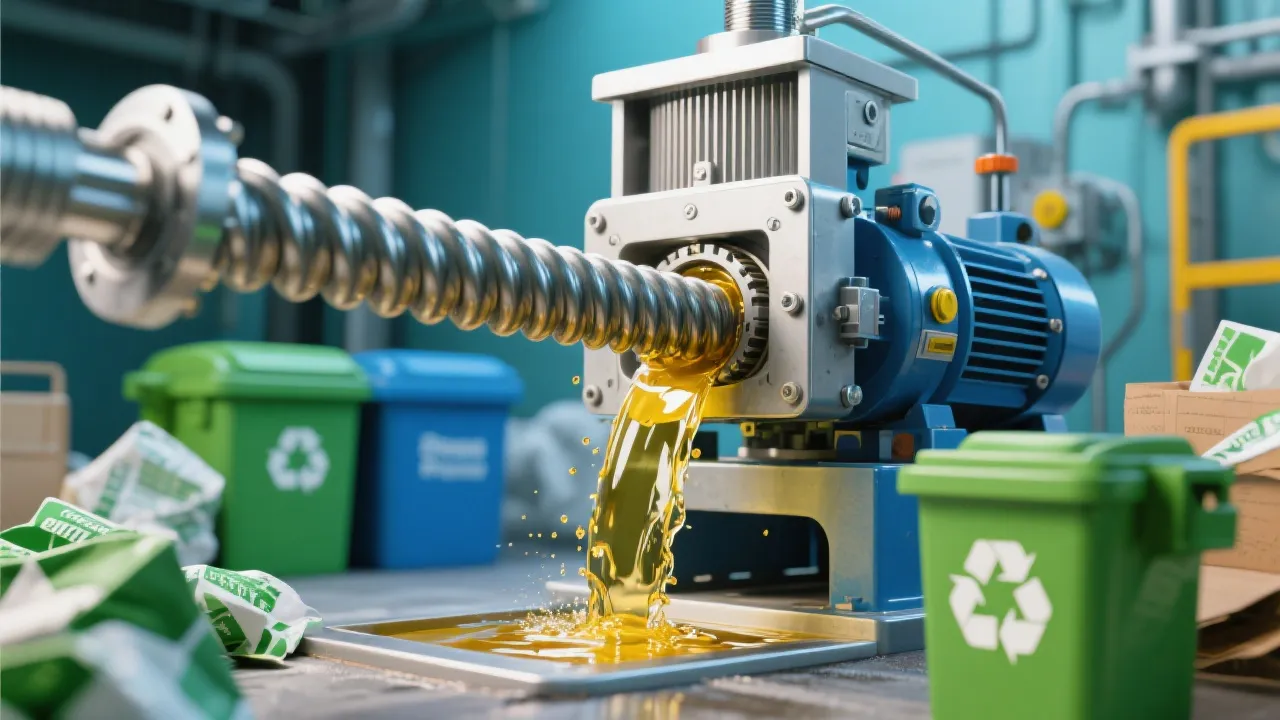
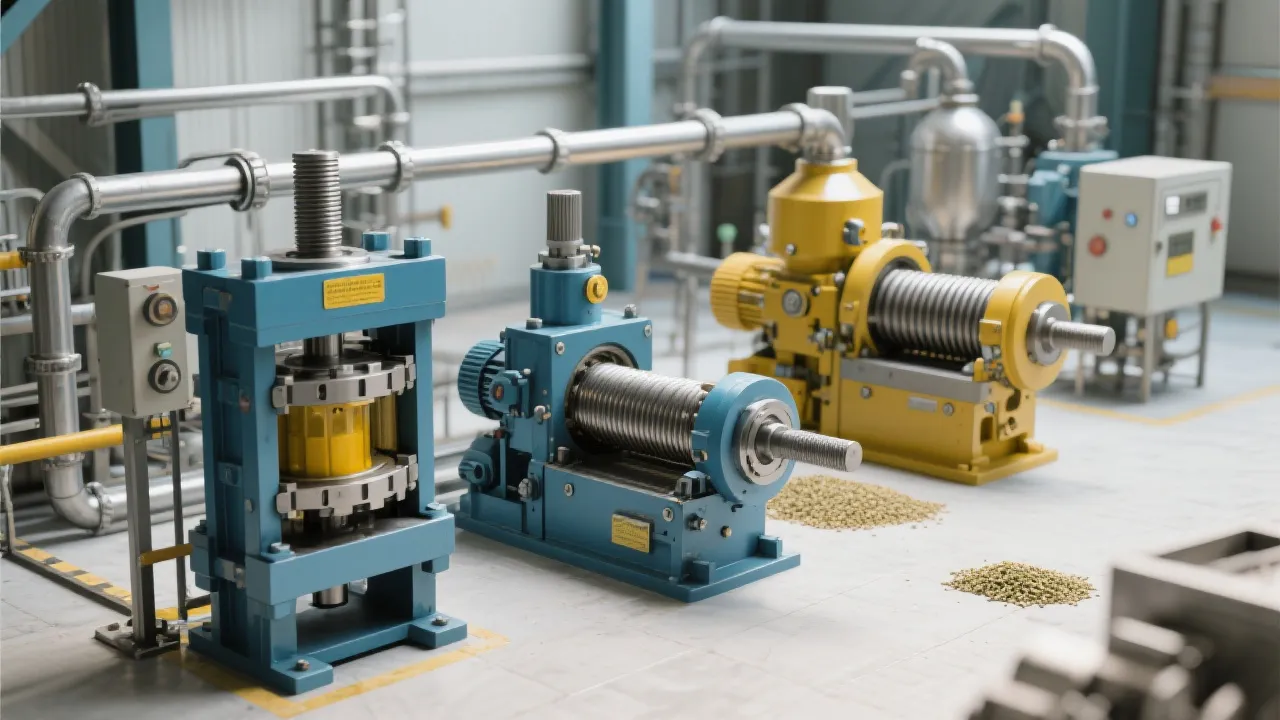
Complementing advanced filtration, selecting energy-efficient oil pressing equipment drastically enhances overall production sustainability. Modern cold-press and expeller machines incorporate intelligent energy management and hydraulic systems that reduce power consumption by up to 25% compared to conventional presses.
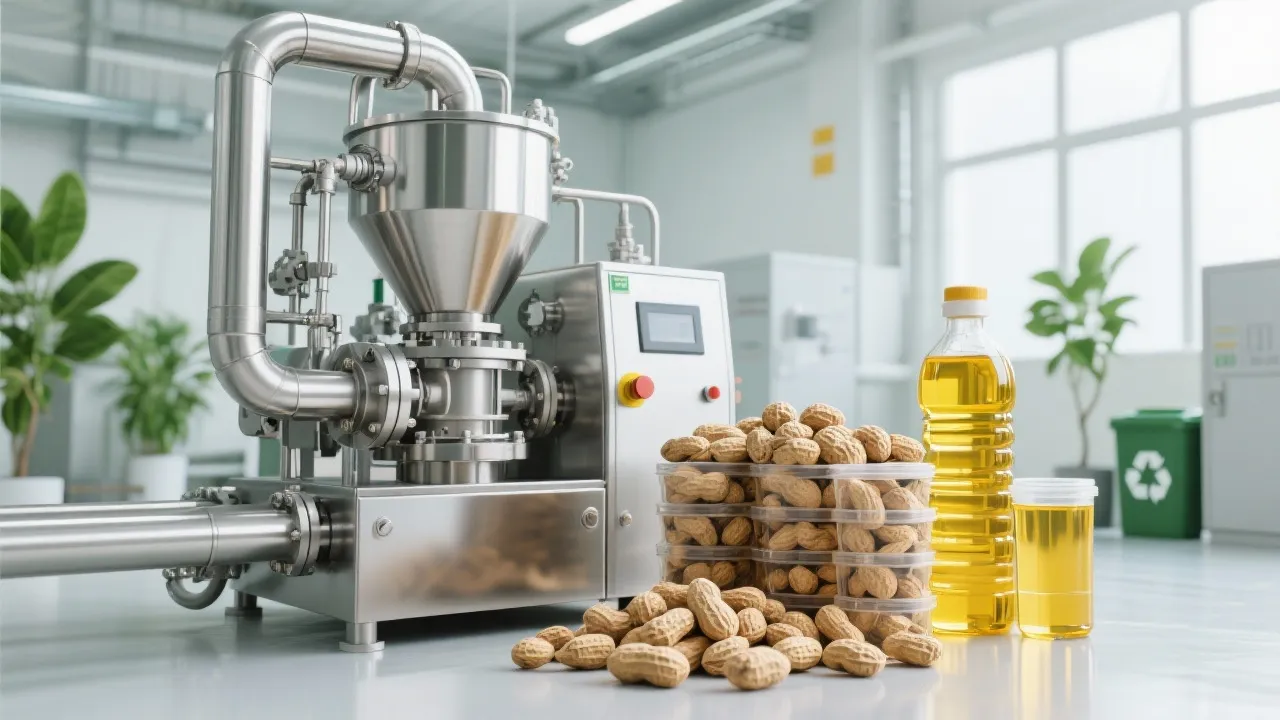
Integrating these presses with multistage filtration creates a streamlined processing line with improved throughput, reduced waste, and maximized oil yield—key for manufacturers committed to cutting costs while elevating product excellence.
 cold pressing vs hot pressing
edible oil extraction methods
small scale oil press
oil processing technology
cold pressed oil benefits
energy efficient screw oil press
cold pressing vs hot pressing
screw press for oil extraction
oilseed processing equipment
dual helical shaft technology
multi-stage oil filtration system
precision oil press machine
edible oil refining technology
energy-efficient oil extraction
oil purification process
Double helical shaft oil press
Cold pressing process application
Efficient oil extraction
Screw oil press technology
Energy - saving oil extraction equipment
Hot pressing oil extraction process comparison
Advantages and disadvantages of cold - pressing technology
Edible oil production process
Oil extraction efficiency
Energy - saving of oil extraction equipment
cold pressing vs hot pressing
edible oil extraction methods
small scale oil press
oil processing technology
cold pressed oil benefits
energy efficient screw oil press
cold pressing vs hot pressing
screw press for oil extraction
oilseed processing equipment
dual helical shaft technology
multi-stage oil filtration system
precision oil press machine
edible oil refining technology
energy-efficient oil extraction
oil purification process
Double helical shaft oil press
Cold pressing process application
Efficient oil extraction
Screw oil press technology
Energy - saving oil extraction equipment
Hot pressing oil extraction process comparison
Advantages and disadvantages of cold - pressing technology
Edible oil production process
Oil extraction efficiency
Energy - saving of oil extraction equipment






.png?x-oss-process=image/resize,h_100,m_lfit/format,webp)
.png?x-oss-process=image/resize,h_100,m_lfit/format,webp)
.png?x-oss-process=image/resize,h_100,m_lfit/format,webp)