.jpg?x-oss-process=image/resize,h_3000,m_lfit/format,webp)
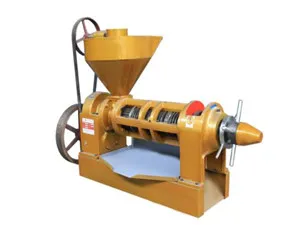
If you're running a small oil-processing workshop or family-based production unit, selecting the right physical press isn’t just about buying equipment—it’s about ensuring consistent output, high-quality oil, and long-term efficiency.
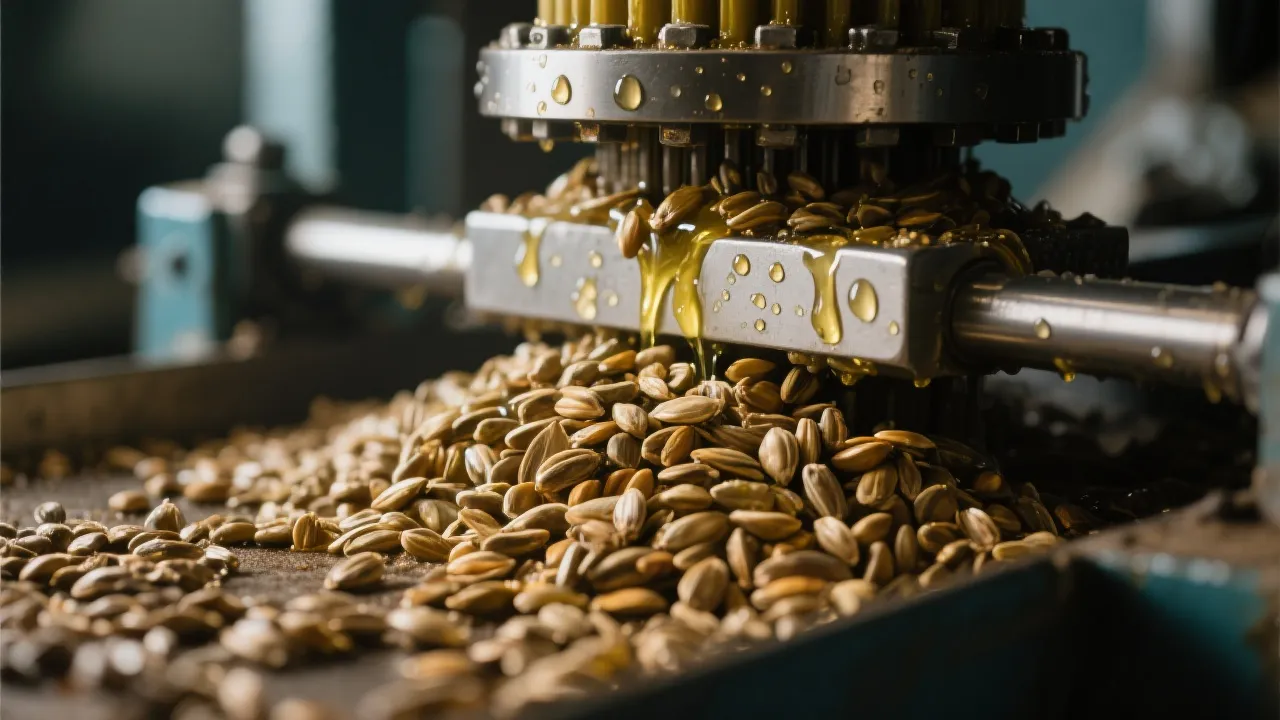
Unlike solvent extraction, which requires complex infrastructure and poses environmental risks, physical pressing preserves the natural flavor, aroma, and nutritional value of your raw materials—especially crucial when working with peanuts or sesame seeds. According to industry data, cold-pressed oils retain up to 95% of their original nutrients compared to only 70% in chemically extracted versions.
| Process Type | Oil Yield (%) | Nutrient Retention | Energy Use (kWh/kg) |
|---|---|---|---|
| Cold Press (25–40°C) | 38–45% | 95% | 1.2–1.5 |
| Hot Press (80–100°C) | 50–60% | 70–80% | 1.0–1.2 |
Your peanut or sesame batch matters more than you think. If moisture content exceeds 8%, using a high-speed hot press can cause clogging and lower oil clarity. For dry grains (under 5% moisture), a cold press delivers smoother results and reduces wear on internal parts by up to 40%. Always check particle size uniformity before loading—uneven batches lead to inconsistent pressure distribution and reduced yield.
Most downtime comes from poor filter maintenance—not machine failure. A multi-stage filtration system (mesh + cloth + activated carbon) should be cleaned after every 50–60 kg of oil processed. Skipping this step leads to faster buildup, increased energy consumption, and even corrosion. Our clients who follow this routine report 30% fewer breakdowns and 15% higher daily throughput.
Real Talk: One customer in Nigeria lost three months’ profit because they used a generic “industrial” press meant for soybeans on sesame seeds. The wrong screw design caused overheating and ruined the oil taste. Lesson learned? Match your material to the machine—not the other way around.
With rising global interest in clean-label foods and sustainable processing, small-scale producers now have an edge. Choosing a physically pressed oil machine not only meets consumer demand but also aligns with local regulations pushing away from chemical solvents. In fact, 67% of buyers in Southeast Asia prefer oils labeled “cold-pressed” over those without—proving that quality pays off.
Get access to our free guide: "How to Select the Perfect Oil Press Based on Your Raw Material." Includes a downloadable checklist and expert tips from 10+ successful small workshops worldwide.
Download the Free Checklist Now → screw press oil expeller materials
wear-resistant components for oil presses
screw press durability optimization
corrosion-resistant industrial equipment
high-performance榨油机 parts
energy efficient screw oil press
cold pressing vs hot pressing
screw press for oil extraction
oilseed processing equipment
dual helical shaft technology
dual spiral shaft technology
screw press oil extraction efficiency
energy-saving oil press machine
cold pressing vs hot pressing
oilseed processing equipment
Hot pressing oil extraction process comparison
Advantages and disadvantages of cold - pressing technology
Edible oil production process
Oil extraction efficiency
Energy - saving of oil extraction equipment
vertical cake discharge mechanism
segmented bearing design
screw oil press efficiency
residue prevention in oil pressing
cold and hot oil pressing optimization
screw press oil expeller materials
wear-resistant components for oil presses
screw press durability optimization
corrosion-resistant industrial equipment
high-performance榨油机 parts
energy efficient screw oil press
cold pressing vs hot pressing
screw press for oil extraction
oilseed processing equipment
dual helical shaft technology
dual spiral shaft technology
screw press oil extraction efficiency
energy-saving oil press machine
cold pressing vs hot pressing
oilseed processing equipment
Hot pressing oil extraction process comparison
Advantages and disadvantages of cold - pressing technology
Edible oil production process
Oil extraction efficiency
Energy - saving of oil extraction equipment
vertical cake discharge mechanism
segmented bearing design
screw oil press efficiency
residue prevention in oil pressing
cold and hot oil pressing optimization




.jpg?x-oss-process=image/resize,h_800,m_lfit/format,webp)



.png?x-oss-process=image/resize,h_100,m_lfit/format,webp)
.png?x-oss-process=image/resize,h_100,m_lfit/format,webp)
.png?x-oss-process=image/resize,h_100,m_lfit/format,webp)