In today's health - conscious global market, consumers are increasingly demanding 'additive - free' vegetable oils. This trend has put pressure on small and medium - sized oil mills to find ways to produce high - quality, natural oils that meet international food hygiene standards. Let's delve into the differences between physical pressing and solvent extraction and how to ensure the production of pure vegetable oils.
Consumers around the world are becoming more aware of the potential health risks associated with additives in food products. As a result, the demand for 'additive - free' vegetable oils has skyrocketed. According to market research, the global market for natural and organic vegetable oils is expected to grow at a CAGR of 8% over the next five years. This presents a significant opportunity for oil producers to tap into this growing market.
Traditional solvent extraction methods often use chemical solvents such as hexane to extract oil from seeds. While this method is efficient, it poses several safety hazards and compliance risks. Chemical solvents can leave residues in the oil, which may be harmful to human health. Additionally, the use of these solvents is subject to strict environmental and safety regulations. Non - compliance can result in hefty fines and damage to the company's reputation.

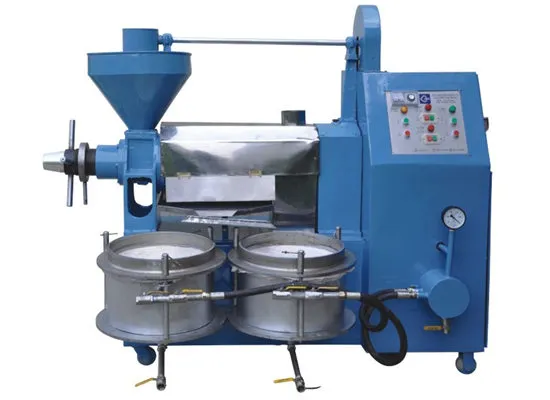
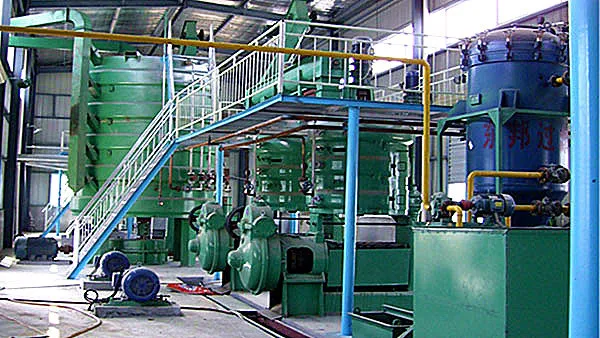
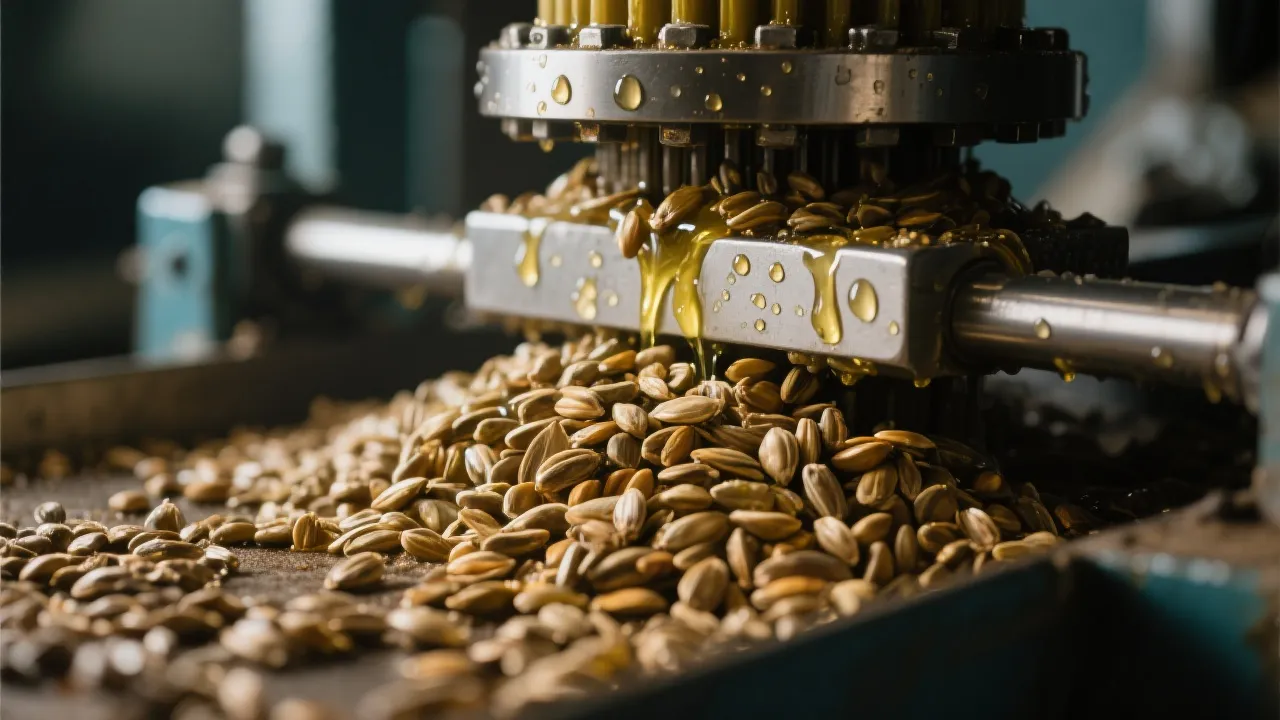
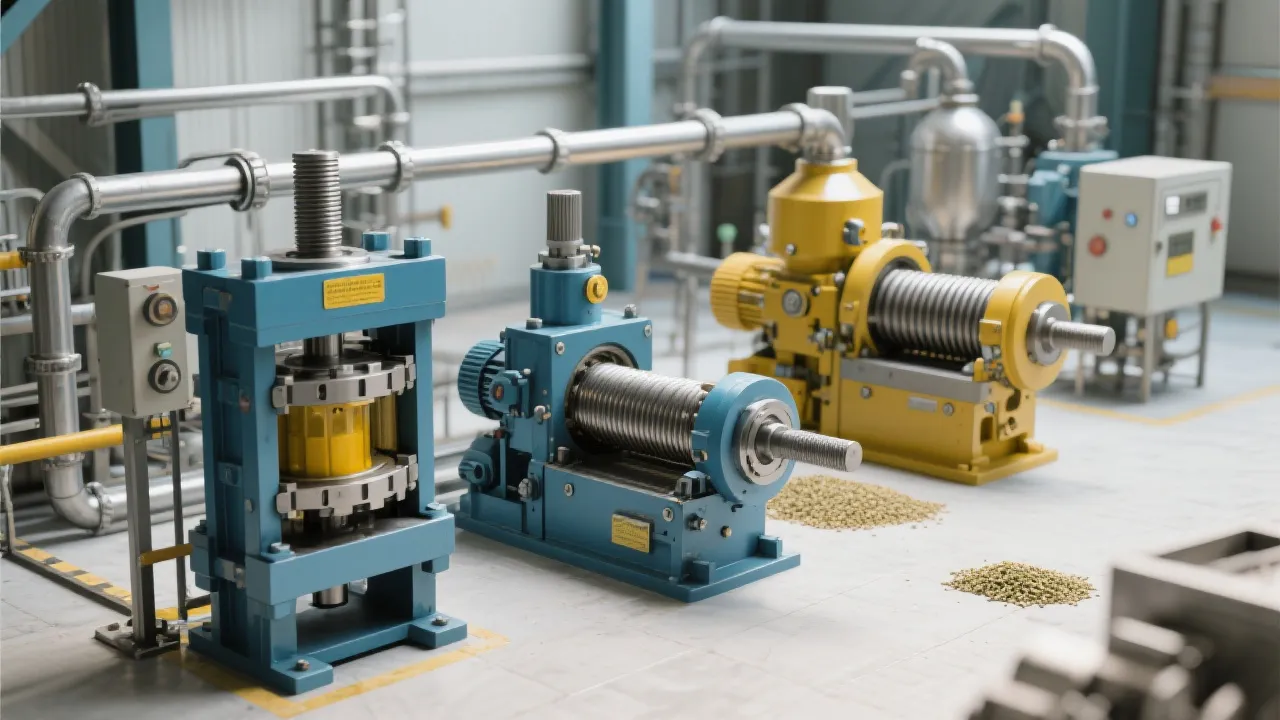
Physical pressing, especially screw pressing, is a more natural and safer alternative to solvent extraction. Screw pressing works by applying mechanical pressure to the seeds to extract the oil. This method does not use any chemical solvents, ensuring that the oil is pure and free from additives. QIE Group advanced screw pressing technology can increase the oil yield by 2 - 3 percentage points compared to traditional methods. Moreover, it can save energy by up to 40%.
In the physical pressing process, several key processes need to be carefully controlled. Raw material pre - treatment is crucial. The seeds should be cleaned and dried to remove impurities and moisture. During the pressing process, the temperature needs to be controlled within a certain range to ensure the quality of the oil. For example, for soybean oil, the optimal pressing temperature is around 60 - 70°C. After pressing, the oil needs to be separated from impurities through a filtration process.
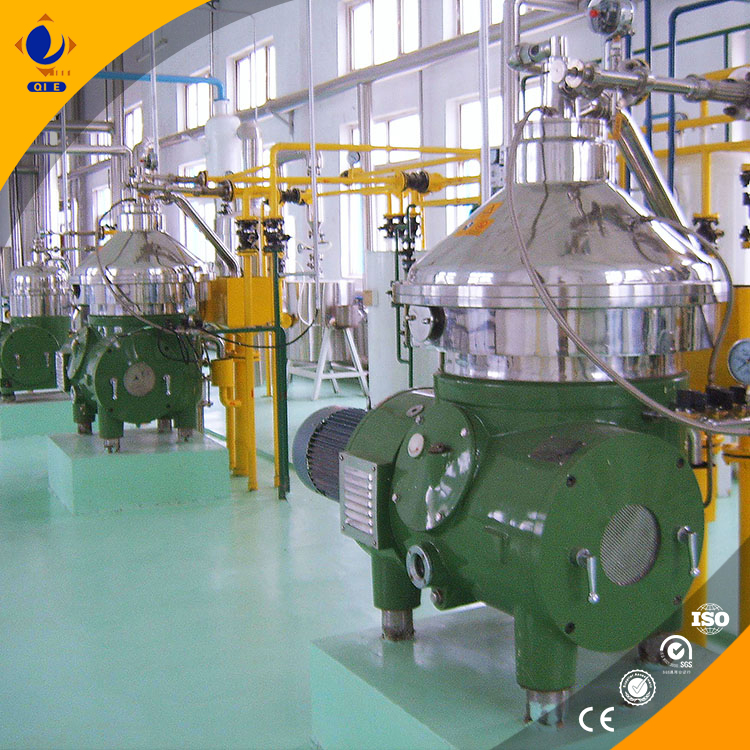
Regular equipment cleaning is essential to maintain the quality of the oil. The cleaning cycle should be set according to the production volume and the type of raw materials. For example, if the production volume is high, the equipment should be cleaned at least once a week. Proper oil storage conditions are also crucial. The oil should be stored in a cool, dark place to prevent oxidation and spoilage.
To ensure the production of high - quality, additive - free vegetable oils, oil mills need to build a full - process quality management system. This system should cover every aspect of the production process, from raw material sourcing to oil storage. By implementing a strict quality management system, oil mills can ensure that their products meet international food hygiene standards and gain a competitive edge in the global market.
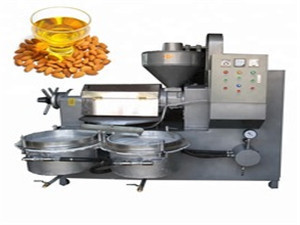
In conclusion, physical pressing, especially screw pressing, is a green and food - grade process that offers significant advantages in producing additive - free vegetable oils. Are you ready to embrace this advanced technology and meet the global demand for natural and healthy vegetable oils? Click here to learn more about QIE Group innovative solutions for vegetable oil production!
 energy-saving oil press
intelligent temperature control
rapeseed oil extraction technology
green manufacturing in oil processing
sustainable oil production equipment
Energy-efficient screw oil press
Double-screw shaft pressing technology
High-efficiency oil extraction
Cold and hot pressing process adaptation
Overseas after-sales service
multi-stage oil filtration system
edible oil processing technology
cold press oil machine
hot press oil machine
energy-efficient oil press
Peanut and sesame oil press selection
High - efficiency oil pressing equipment
Physical pressing technology
Home oil processing solutions
Judging the efficiency of oil presses
vertical cake discharge mechanism
segmented bearing design
screw oil press efficiency
residue prevention in oil pressing
cold and hot oil pressing optimization
energy-saving oil press
intelligent temperature control
rapeseed oil extraction technology
green manufacturing in oil processing
sustainable oil production equipment
Energy-efficient screw oil press
Double-screw shaft pressing technology
High-efficiency oil extraction
Cold and hot pressing process adaptation
Overseas after-sales service
multi-stage oil filtration system
edible oil processing technology
cold press oil machine
hot press oil machine
energy-efficient oil press
Peanut and sesame oil press selection
High - efficiency oil pressing equipment
Physical pressing technology
Home oil processing solutions
Judging the efficiency of oil presses
vertical cake discharge mechanism
segmented bearing design
screw oil press efficiency
residue prevention in oil pressing
cold and hot oil pressing optimization






.png?x-oss-process=image/resize,h_100,m_lfit/format,webp)
.png?x-oss-process=image/resize,h_100,m_lfit/format,webp)
.png?x-oss-process=image/resize,h_100,m_lfit/format,webp)