.jpg?x-oss-process=image/resize,h_3000,m_lfit/format,webp)
If you're running a small-scale oil pressing operation at home or in a workshop, one of the most frustrating issues you’ll face is clogging—especially when it leads to motor strain, downtime, and wasted energy.
According to our service team’s data from over 500+ customer cases last year, machines that experience frequent clogging have an average of 40% higher electricity consumption and 3x more mechanical wear on key components like the screw shaft and pressure chamber. That’s not just inefficiency—it’s unnecessary cost.
But here’s the good news: with proper maintenance routines and smart usage habits, you can reduce clogging by up to 75%, extend your machine’s lifespan by 2–3 years, and save real money on both power and repairs.
Most users clean only once a week—but we recommend daily wiping down the feeding chute and pressing chamber after each use. Even small residues from sesame, peanuts, or soybeans can harden overnight and cause jams during the next cycle.
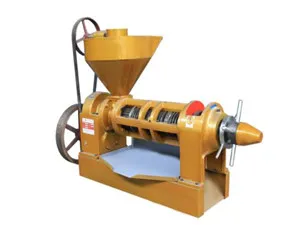
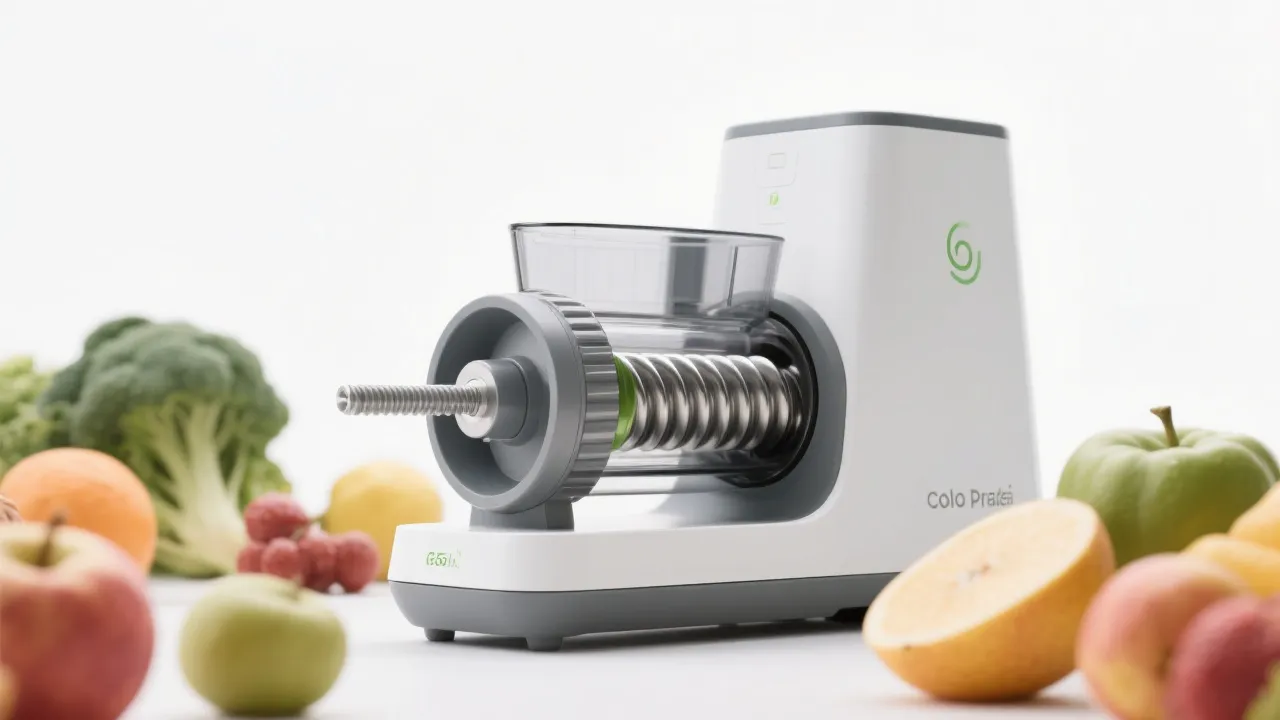
Use a soft brush (like the one shown in Image 1) to remove residue from the inner walls of the press cavity. Don’t use metal tools—they scratch surfaces and create micro-pits where oil residue builds up faster.
.jpg)
The gear system and screw rod need lubrication every 2 weeks under normal use. Over-lubricating causes oil to seep into the material stream, while under-lubricating increases friction and heat buildup—which directly contributes to clogs.
We suggest using food-grade mineral oil or a specially formulated grease designed for high-pressure food machinery. Apply a thin film—not a thick layer—and wipe off any excess immediately.
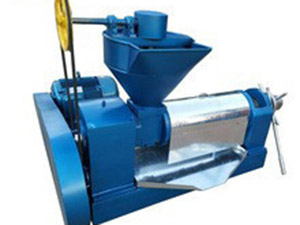
Many operators rush through the “one-click” start function without waiting for the system to stabilize. But if the motor starts before the oil pump reaches optimal pressure, it forces the screw to work harder—leading to overheating and blockages.
Wait 3–5 seconds after pressing the button before adding new material. This simple step reduces motor load by up to 30%, according to our internal testing. And yes—it does make a noticeable difference in how smoothly your machine runs.
If your machine suddenly stops or makes unusual noises:
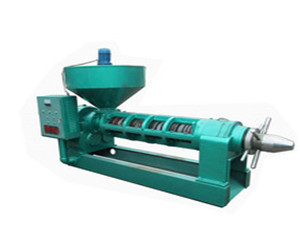
You don’t need to be an engineer to keep your machine running efficiently. With these practical tips—based on thousands of real-world cases—you’ll avoid costly breakdowns, lower your energy bills, and enjoy consistent performance.
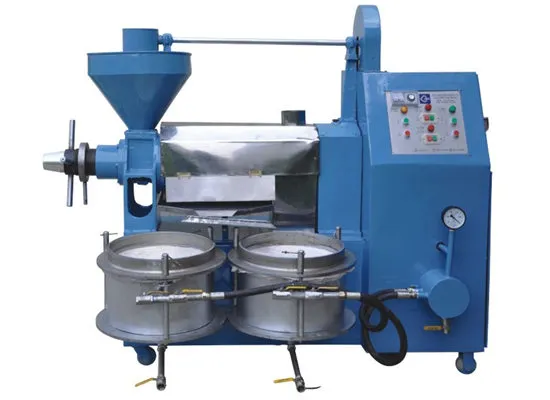
Our energy-efficient single-screw oil press machines come with built-in diagnostics, easy-to-clean parts, and lifetime technical support.
See How Our Machines Prevent Clogs Automatically → Multi - stage fine filtration system
Edible oil filtration technology
Energy - saving transformation of oil press
Extension of oil shelf life
Cold - hot pressing process
Screw oil press wear - resistant materials
Wear - resistant material selection
Equipment lifespan improvement
Screw shaft materials
Oil press maintenance tips
screw oil press efficiency
vertical cake discharge mechanism
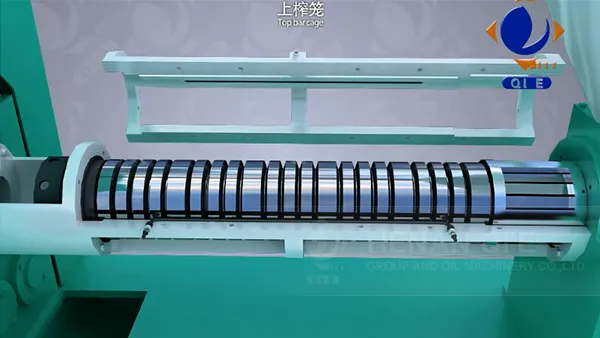
segmented retaining frame
oil press stability
cold press vs hot press optimization
multi-stage filtration system
edible oil processing
oil press maintenance cost
cold and hot pressing oil machine
oil production efficiency
Fully automatic oil press
Cold and hot pressing technology
Energy - saving oil extraction equipment
Solutions for small and medium - sized oil mills
Oil extraction efficiency
Multi - stage fine filtration system
Edible oil filtration technology
Energy - saving transformation of oil press
Extension of oil shelf life
Cold - hot pressing process
Screw oil press wear - resistant materials
Wear - resistant material selection
Equipment lifespan improvement
Screw shaft materials
Oil press maintenance tips
screw oil press efficiency
vertical cake discharge mechanism
segmented retaining frame
oil press stability
cold press vs hot press optimization
multi-stage filtration system
edible oil processing
oil press maintenance cost
cold and hot pressing oil machine
oil production efficiency
Fully automatic oil press
Cold and hot pressing technology
Energy - saving oil extraction equipment
Solutions for small and medium - sized oil mills
Oil extraction efficiency





.png?x-oss-process=image/resize,h_100,m_lfit/format,webp)
.png?x-oss-process=image/resize,h_100,m_lfit/format,webp)
.png?x-oss-process=image/resize,h_100,m_lfit/format,webp)


.jpg?x-oss-process=image/resize,h_800,m_lfit/format,webp)