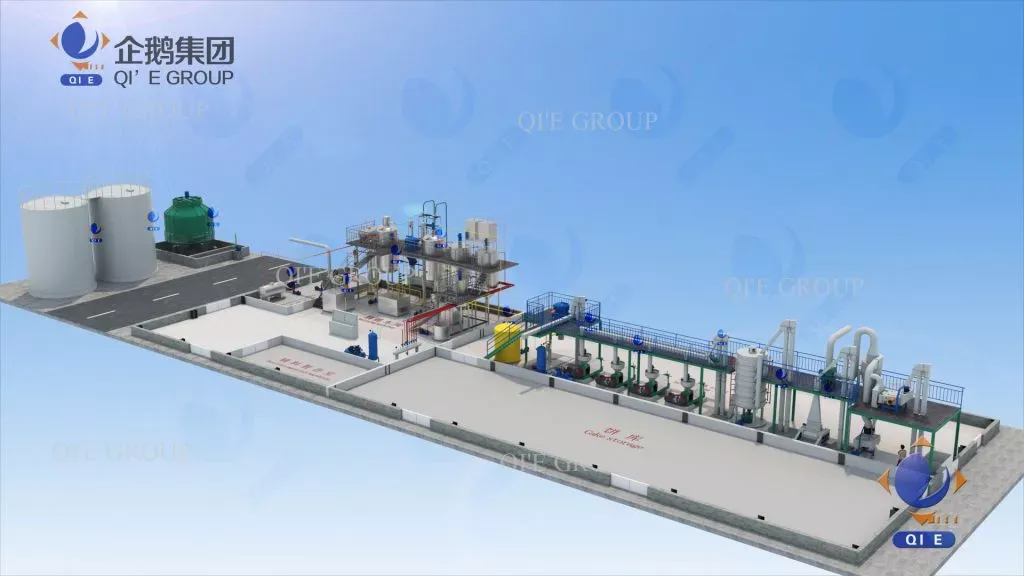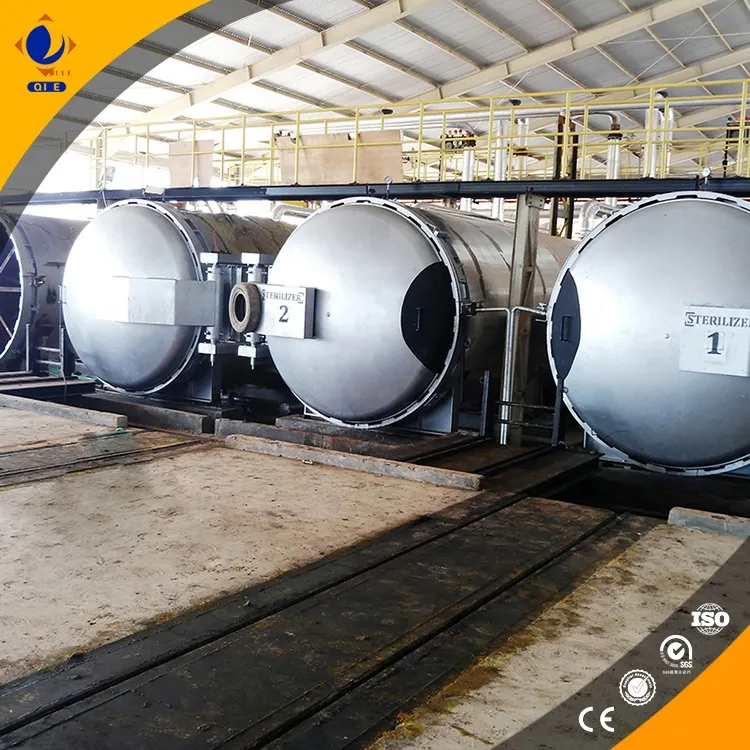
As a professional in the oil industry, you may be well - aware of the importance of rapeseed crude oil refining. Unrefined rapeseed oil contains various impurities, which not only affect the taste but also pose risks to food safety. Let's first understand the types of impurities in rapeseed crude oil and the potential hazards of using it without refining.
Rapeseed crude oil typically contains phospholipids, free fatty acids, pigments, and odor - causing substances. These impurities can lead to issues such as oil oxidation, off - flavors, and reduced shelf - life. For example, phospholipids can cause oil to become cloudy and may also promote the growth of microorganisms. Free fatty acids can lower the smoke point of the oil, making it less suitable for high - temperature cooking.
Now, let's delve into the four core processes of rapeseed crude oil refining: degumming, deacidification, decolorization, and deodorization.
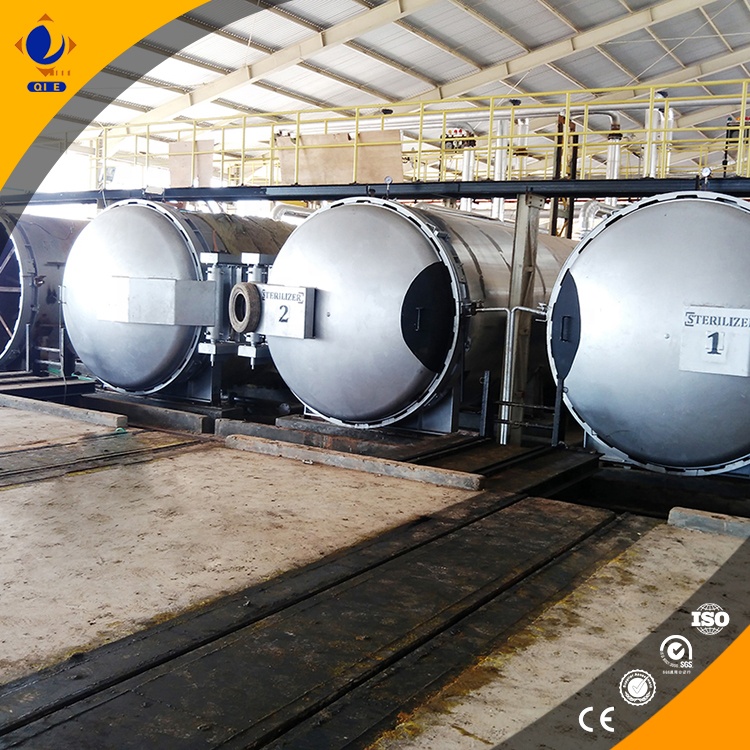
Degumming is the first step in the refining process. Phospholipids in the crude oil are removed through this process. The principle is to use water or acid to hydrate the phospholipids, making them insoluble and easier to separate. For example, adding a small amount of phosphoric acid can help precipitate the phospholipids. In a real - world scenario, a small - scale oil processing plant may use about 0.1% - 0.3% phosphoric acid for degumming. After degumming, the phosphorus content in the oil can be reduced to less than 10 ppm, which is a significant improvement in oil quality.
Deacidification aims to remove free fatty acids from the oil. This is usually done by adding an alkaline solution, such as sodium hydroxide. The free fatty acids react with the alkali to form soap, which can be separated from the oil. In a typical deacidification process, the acid value of the oil can be reduced from an initial value of around 3 - 5 mg KOH/g to less than 0.1 mg KOH/g. This not only improves the taste of the oil but also enhances its stability.
Decolorization is used to remove pigments from the oil. Activated carbon or bleaching earth is commonly used as the adsorbent. These substances can adsorb the pigments, such as carotenoids and chlorophyll, in the oil. In practice, about 1% - 3% of activated carbon or bleaching earth is added to the oil. After decolorization, the oil becomes clearer and more visually appealing.
Deodorization is the final step in the refining process. It removes odor - causing substances from the oil by heating the oil under vacuum conditions. The temperature during deodorization is crucial. If the temperature is too high, it may cause the loss of nutrients such as vitamin E. A proper deodorization temperature is usually around 200 - 240°C. By carefully controlling the temperature, you can ensure that the oil retains its nutritional value while removing the unpleasant odors.
During the refining process, you may encounter some common problems. For example, the loss of vitamin E during deodorization is a concern for many small and medium - sized oil enterprises. To address this issue, you can adjust the deodorization temperature and time. Another problem is unstable temperature control, which can be solved by using advanced temperature control equipment. Additionally, you can use a rapid detection kit to monitor the quality of the oil during the refining process.
According to the industry standard GB 2716, the refined rapeseed oil should meet certain quality requirements, such as acid value, peroxide value, and moisture content. By following the proper refining processes and using the right detection methods, you can ensure that your product meets these standards.
Mastering the rapeseed crude oil refining technology is not only about improving food safety but also about enhancing your brand's reputation and market competitiveness. By producing high - quality refined rapeseed oil that meets the national standards, you can gain the trust of your customers. Remember, "Let customers buy with confidence, not just for the taste, but for the safety."
Do you have any questions about rapeseed crude oil refining? Leave your comments below and let's discuss!
Learn more about Penguin Group's rapeseed oil refining technology
 Multi - stage filtration system
Oil press maintenance
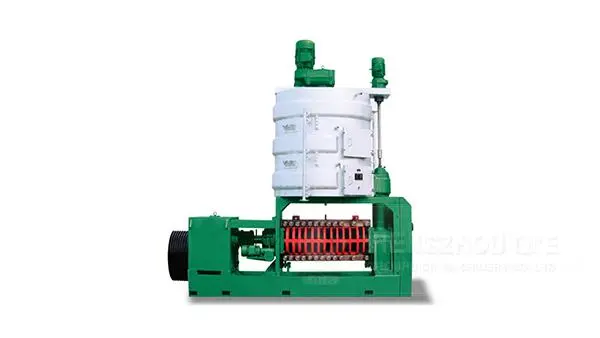
High - efficiency hydraulic press
Physical pressing technology
Energy - saving oil extraction equipment
fully automatic oil press
cold and hot pressing technology
energy-saving oil press equipment
small medium oil mill solutions
oilseed pressing process
Cold
pressing
oil
process
Multi
-
seed
oil
pressing
Low
-
temperature
pressed
oil
nutrition
Cold
-
pressed
edible
oil
production
process
Oil
pressing
process
optimization
High-pressure hydraulic oil press
Multi-oil applicable oil press
Energy-saving hydraulic oil equipment
Vegetable oil pressing technology
Vacuum filtration oil press
compact oil press machine
small space oil processing
family oil mill equipment
oil extraction efficiency
multi-material oil press
Multi - stage filtration system
Oil press maintenance
High - efficiency hydraulic press
Physical pressing technology
Energy - saving oil extraction equipment
fully automatic oil press
cold and hot pressing technology
energy-saving oil press equipment
small medium oil mill solutions
oilseed pressing process
Cold
pressing
oil
process
Multi
-
seed
oil
pressing
Low
-
temperature
pressed
oil
nutrition
Cold
-
pressed
edible
oil
production
process
Oil
pressing
process
optimization
High-pressure hydraulic oil press
Multi-oil applicable oil press
Energy-saving hydraulic oil equipment
Vegetable oil pressing technology
Vacuum filtration oil press
compact oil press machine
small space oil processing
family oil mill equipment
oil extraction efficiency
multi-material oil press


.png?x-oss-process=image/resize,h_100,m_lfit/format,webp)
.png?x-oss-process=image/resize,h_100,m_lfit/format,webp)
.png?x-oss-process=image/resize,h_100,m_lfit/format,webp)



.jpg?x-oss-process=image/resize,h_800,m_lfit/format,webp)
.jpg?x-oss-process=image/resize,h_800,m_lfit/format,webp)

.jpg?x-oss-process=image/resize,h_800,m_lfit/format,webp)