

In the realm of edible oil refining, the degumming process stands as the crucial first step in ensuring both the quality of the oil and food safety. This article will comprehensively explore the key operational points of the degumming process for crude rapeseed oil, providing in - depth insights into its technical principles and process flows.
Phospholipids in crude rapeseed oil can have a significant impact on the quality of the final product. They can cause the oil to become cloudy, reduce its stability, and affect the flavor. The degumming process is designed to remove these phospholipids and other impurities. The basic principle behind degumming is to use water or acid to hydrate the phospholipids, making them insoluble and allowing them to be separated from the oil.

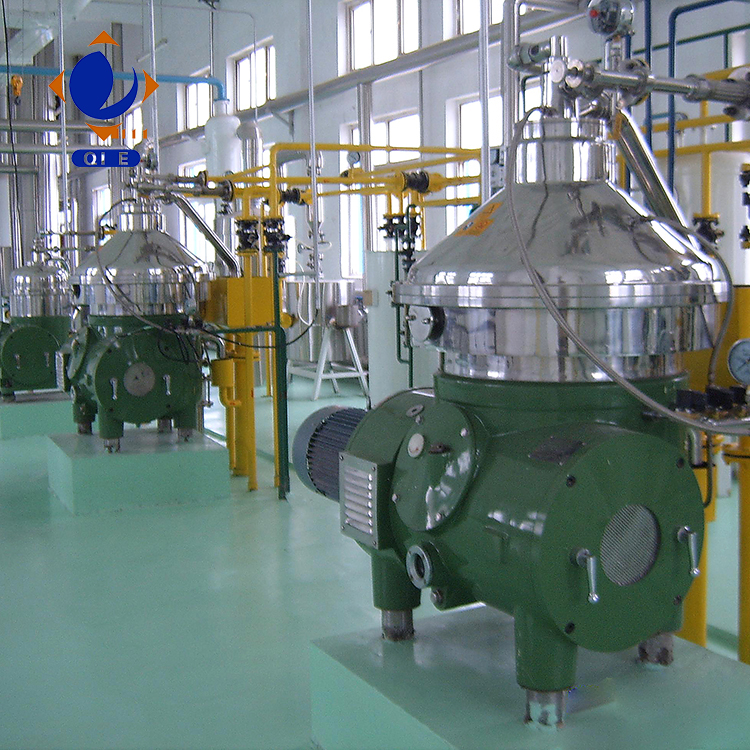
The degumming process typically involves several steps. First, the crude rapeseed oil is heated to a specific temperature, usually around 60 - 70°C. Then, water or acid is added to the oil and mixed thoroughly. After a certain period of reaction, the mixture is allowed to settle, and the separated phospholipids and other impurities are removed. This step is often followed by a washing process to further remove any remaining impurities.
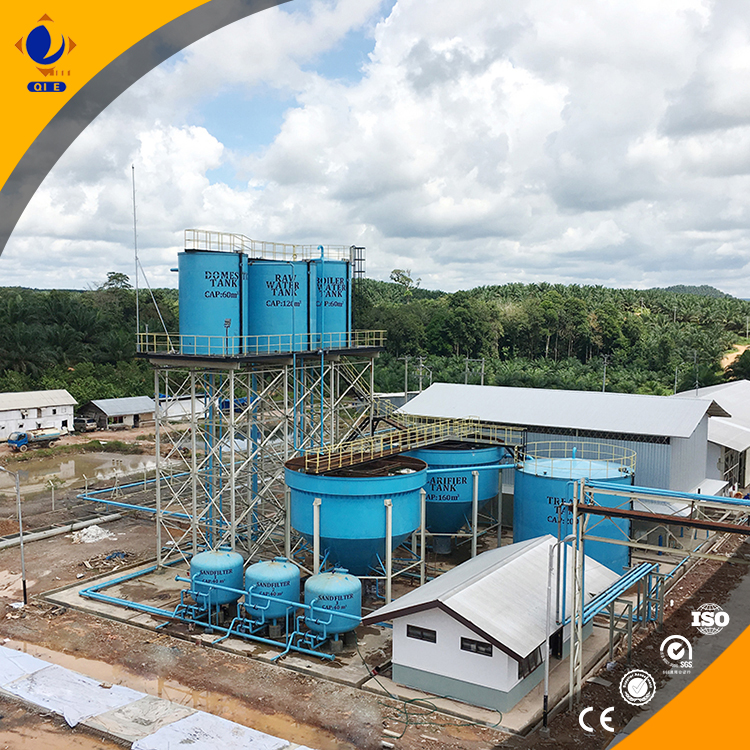
Controlling the key parameters in the degumming process is essential for achieving optimal results. The temperature, the amount of water or acid added, and the reaction time all play crucial roles. For example, if the temperature is too low, the phospholipids may not be fully hydrated; if it is too high, it may cause the oil to oxidize. Generally, the amount of water added should be around 2 - 3% of the oil volume, and the reaction time is usually about 30 - 60 minutes.
The degumming process is an integral part of the multi - stage refining of rapeseed oil. It has a significant impact on the subsequent steps of deacidification, decolorization, and deodorization. By removing phospholipids and other impurities in the degumming stage, it can improve the efficiency and quality of the subsequent refining steps, ensuring that the final product meets the national food safety standards, such as the GB2716 standard for rapeseed oil.
Let's take a medium - sized oil processing enterprise as an example. Before implementing the scientific degumming process, the enterprise's rapeseed oil products often had problems such as poor clarity and short shelf - life. After adopting a more standardized degumming process, strictly controlling the key parameters, the quality of the oil has been significantly improved. The clarity of the oil has increased by 30%, and the shelf - life has been extended by 20%, which has effectively enhanced the market competitiveness of the enterprise.
During the degumming process, some common problems may occur, such as incomplete removal of phospholipids or excessive oil loss. To solve these problems, it is necessary to adjust the process parameters in a timely manner. For example, if the phospholipids are not completely removed, the amount of water or acid can be appropriately increased; if the oil loss is too large, the settling time can be extended.
We encourage you to share your questions and experiences about the rapeseed oil degumming process. Whether you are a small - and medium - sized oil processing enterprise or a home workshop, your feedback is valuable to us. Let's work together to improve the quality of rapeseed oil products.
If you want to learn more about the rapeseed oil refining process and improve the quality of your products, click here for more information.
 automatic oil press machine
cold and hot pressing technology
oilseed processing equipment
energy efficient榨油机
edible oil production solutions
Screw pressing technology
Soybean oil yield improvement
Energy - saving oil press principle
Small and medium - sized oil mill oil press
Vegetable oil processing
rapeseed crude oil refining
degumming process
deacidification process
decolorization process
deodorization temperature control
Fully automatic oil press
Cold and hot pressing technology
Solution for small and medium-sized oil mills
Energy-saving oil extraction equipment
Oil seed pressing process
Peanut and sesame oil press selection
High - efficiency oil pressing equipment
Physical pressing technology
Home oil processing solutions
Judging the efficiency of oil presses
automatic oil press machine
cold and hot pressing technology
oilseed processing equipment
energy efficient榨油机
edible oil production solutions
Screw pressing technology
Soybean oil yield improvement
Energy - saving oil press principle
Small and medium - sized oil mill oil press
Vegetable oil processing
rapeseed crude oil refining
degumming process
deacidification process
decolorization process
deodorization temperature control
Fully automatic oil press
Cold and hot pressing technology
Solution for small and medium-sized oil mills
Energy-saving oil extraction equipment
Oil seed pressing process
Peanut and sesame oil press selection
High - efficiency oil pressing equipment
Physical pressing technology
Home oil processing solutions
Judging the efficiency of oil presses
.jpg?x-oss-process=image/resize,h_800,m_lfit/format,webp)

.jpg?x-oss-process=image/resize,h_800,m_lfit/format,webp)


.jpg?x-oss-process=image/resize,h_800,m_lfit/format,webp)



.png?x-oss-process=image/resize,h_100,m_lfit/format,webp)
.png?x-oss-process=image/resize,h_100,m_lfit/format,webp)
.png?x-oss-process=image/resize,h_100,m_lfit/format,webp)


.jpg?x-oss-process=image/resize,h_800,m_lfit/format,webp)

